The story behind community stories

In the coming days, the Eastbourne Reporter will publish a series of articles that bring to life the histories of buildings in the town’s Devonshire Ward, written by people living in the neighbourhood.
Journalism trainer and mentor David Lush explains how these community researchers went about their assignment, which was a collaboration with Devonshire Collective cultural and community organisation as part of its 10th anniversary project funded by The National Lottery Heritage Fund
“I'm fascinated by buildings and how people lived in them in the past,” says teacher Julie Roworth. “My small flat is in a huge building, which was once a single house, owned by a friend of Charles Darwin.”
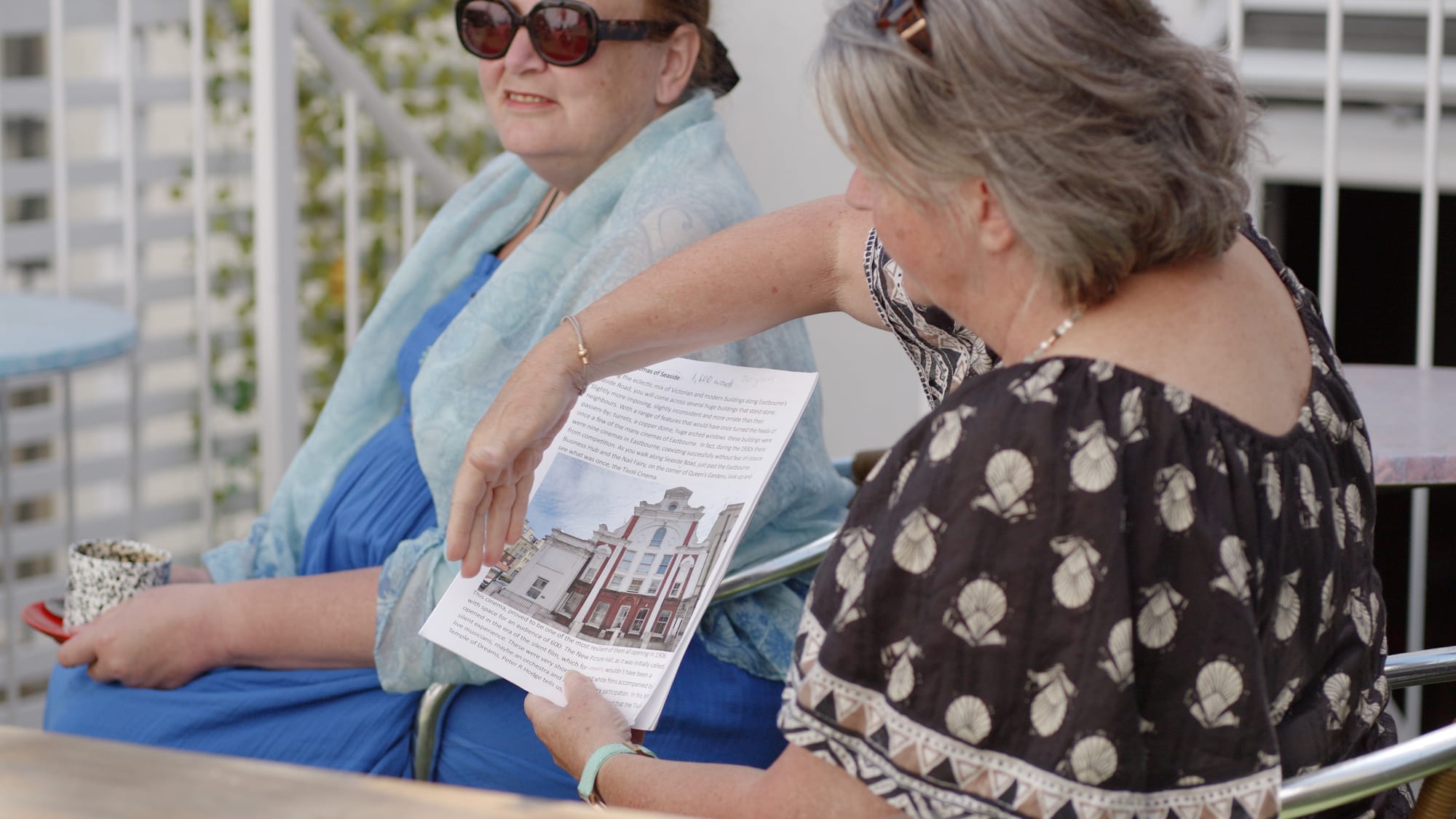
Julie is sitting at a table in the basement of Café Joon in Pevensey Road on a sunny Saturday morning in late April. She has joined a course I am facilitating with Rebecca Maer, editor of the Eastbourne Reporter.
On moving to Eastbourne from east London 20 years ago, Julie and her two children spent hours walking up and down Seaside Road, to and from the shops and Bourne Primary School. En route, they often wondered about the people who had lived in the neighbourhood’s grand Victorian buildings over the years.
When Julie saw the community researcher course advertised, she jumped at the opportunity.
“I hope to have more writing confidence and flair to do justice to the histories and stories of the community,” Julie explained in her application. “I would like to know how to find information about a local area.”
The Devonshire Collective, a community arts organisation based at the Volt Gallery in Seaside Road, asked Rebecca and me to run the course as part of their Discover, Celebrate, Grow project, which is funded by The National Lottery Heritage Fund.
Between April and July this year, Julie and her fellow researchers investigated then wrote about buildings in the area they were drawn to. Their brief was to connect the lives of people living in the community, past and present, through the histories of the buildings they chose.
Rebecca and I were there to support and guide the researchers; to pass on our skills as experienced journalists so their stories could be published in the Eastbourne Reporter and form part of the Devonshire Collective’s exhibition celebrating its 10th anniversary.
I introduce the researchers’ stories later, but first let me explain our methods.
Community journalism
The Eastbourne Reporter wants to help create a sense of shared identify among Eastbourne’s diverse population of around 100,000 people. This is a big ask for a small, not-for-profit news organisation which serves a town that straddles some of the most affluent and most deprived neighbourhoods in the UK.
A solution, we figured, was to train people living in the town to write about their communities.
Rebecca and I ran our first course last year and you may have read some of the stories written by our community reporters Mary Mckay, Liz Magraw and Berenice Pringle. These included features about Eastbourne bandstand, the refurbishment of Motcombe pool buildings and the importance of an allotment community.
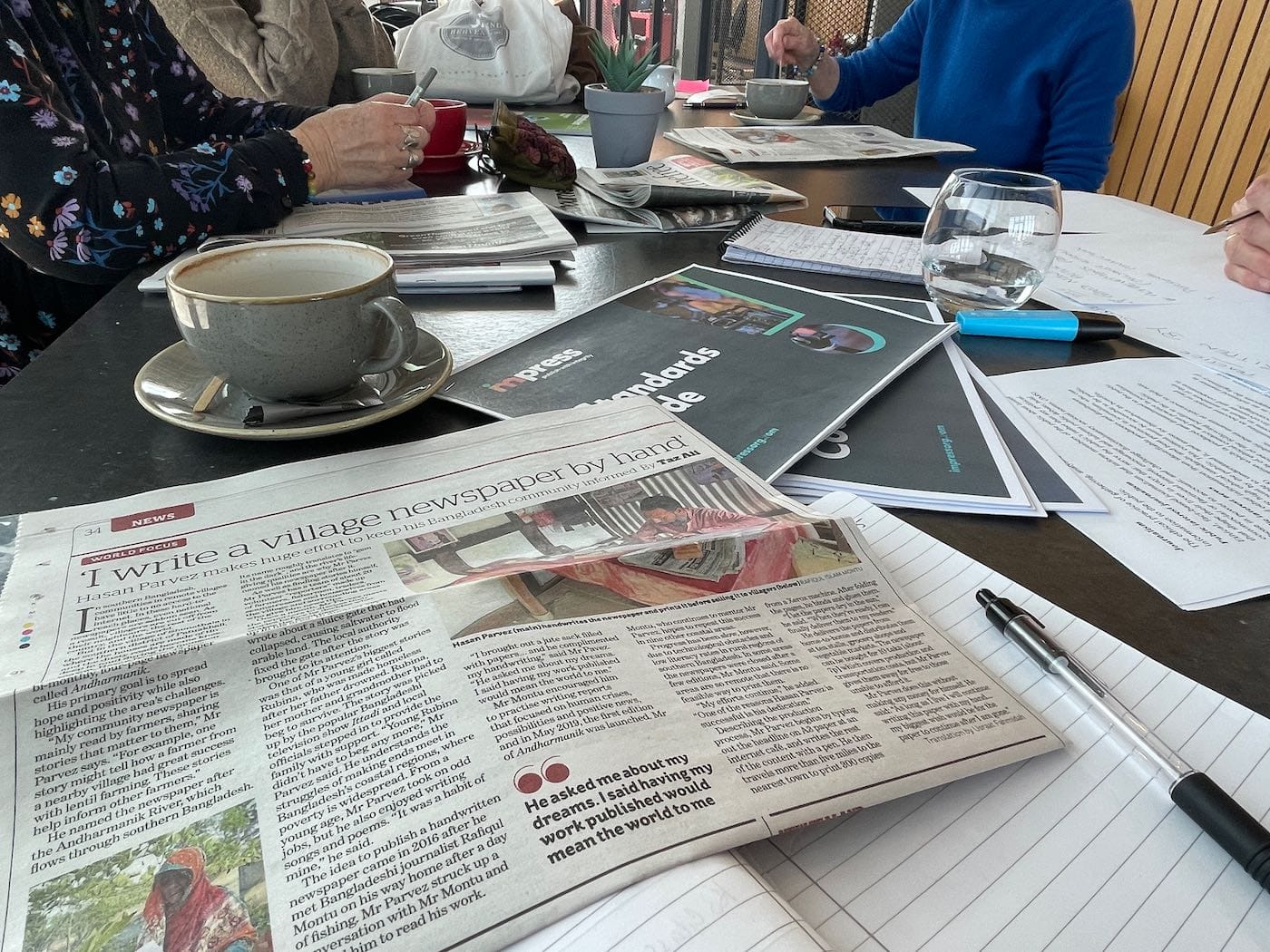
The course I have designed has its roots in a community media movement that started in Latin America in the 1940s, before spreading to other parts of the world as communities set up radio and TV stations, newspapers and, more recently, online platforms to make their voices heard.
In the UK, there has been a steady growth in “community-centred” and “co-creational” media since the first community radio stations started broadcasting during the 1970s.
I first experienced community media in southern Africa during the 1990s, when colleagues and I began working with people from all walks of life – from farmers to schoolchildren – who wanted to report on issues that I and other professional journalists did not cover for lack of time, money, interest, proximity or local knowledge.
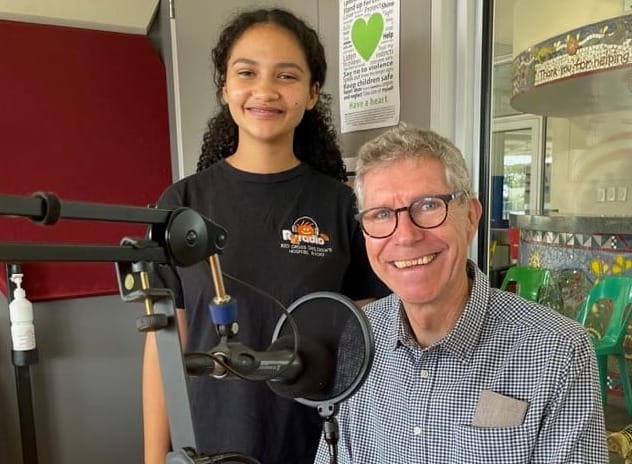
Like other independent local news outlets around the UK, the Eastbourne Reporter has embraced a more participatory approach to some of its journalism, while maintaining ethical and professional standards that make reporting accurate and reliable.
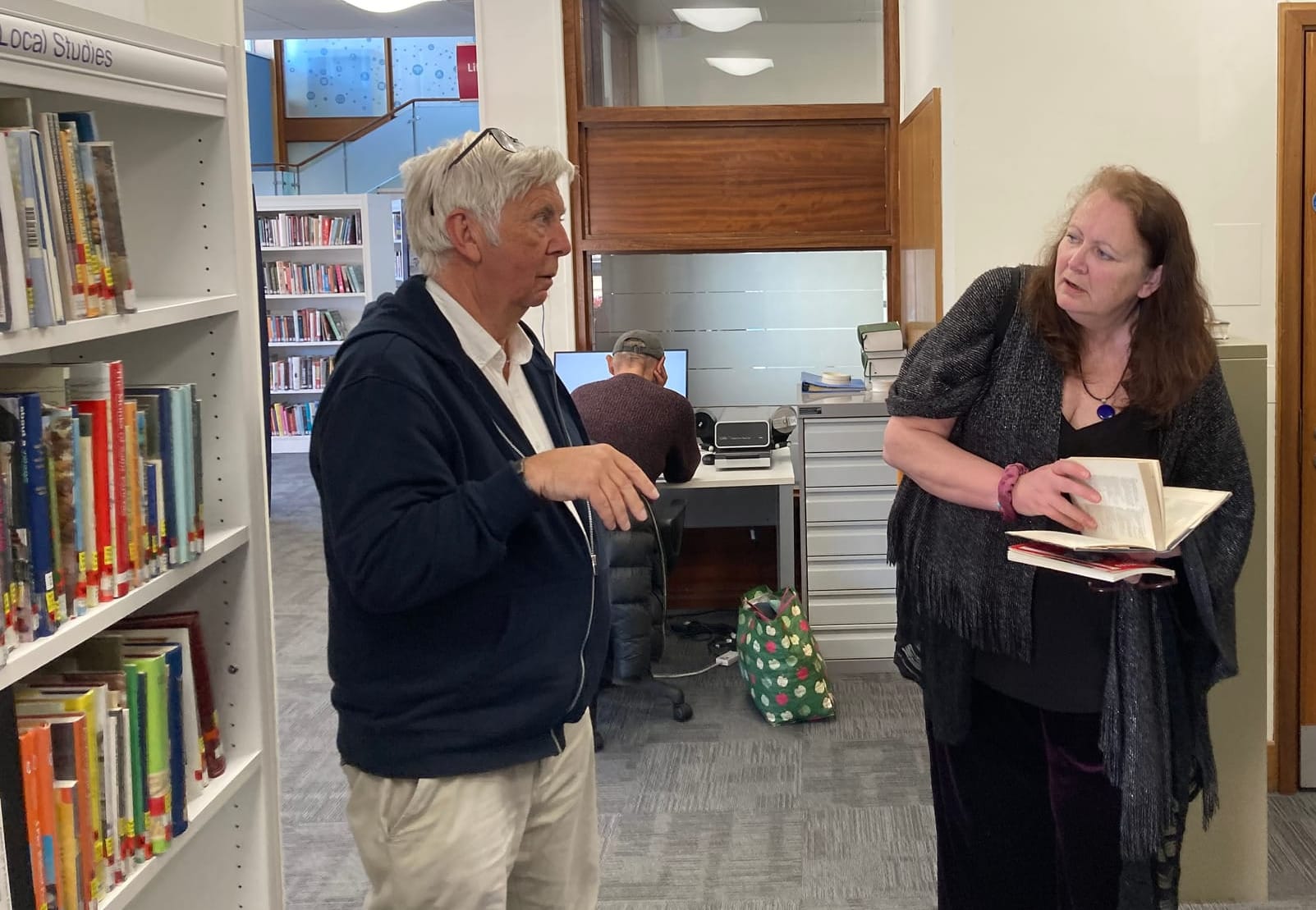
We adapted this approach to the Discover, Celebrate, Grow project, teaming up with local historian Warwick Davis, who showed us how to use the archives of Eastbourne Library and Eastbourne Local History Society.
Collaborating with artists has also helped us reach a wider audience through different mediums: Devonshire Collective is incorporating the community researchers’ stories into a heritage trail and an exhibition they are curating together with other community groups. The researchers also feature in a short film about the project by filmmaker Miles Umney.
Devonshire Collective's view
"Seaside Road is full of history that has rarely been written down, and almost never by the people who live here," says Edward Ball, Devonshire Collective's Director." So we asked residents to become the researchers and reporters.
"Eastbourne Reporter gave them the training and editorial backing to do it properly, and the results are brilliant: real stories, properly sourced, told with an insider's eye.
"Their stories now run through the whole project, from the exhibition to the heritage trail. This is the neighbourhood telling its own story, and the skills to keep telling it stay here."
The researchers’ stories
Having grown up in Eastbourne, I thought I knew the town well, but the community researchers’ stories have been a revelation.
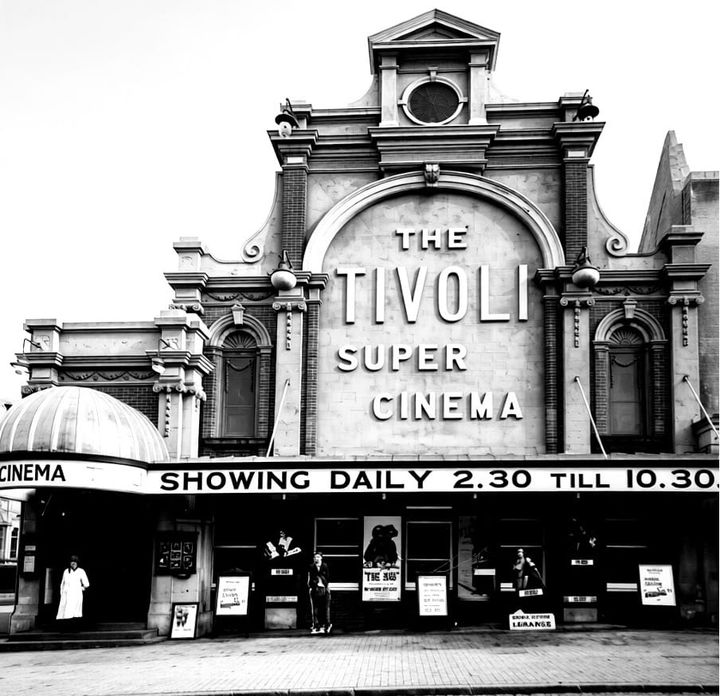
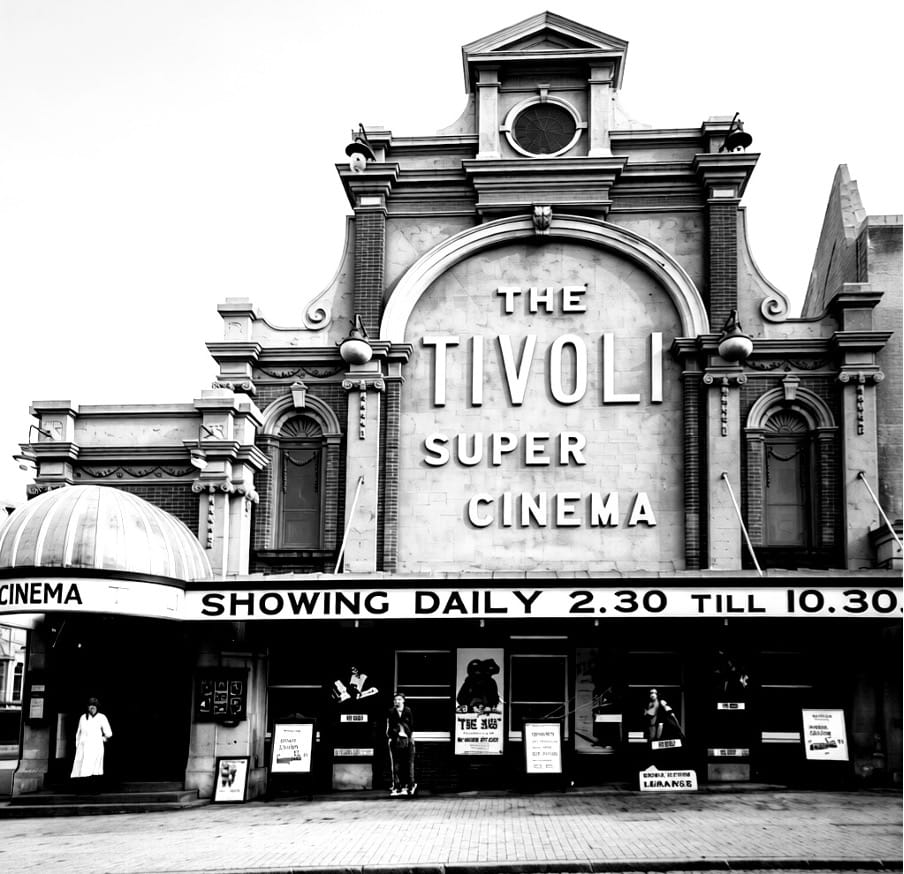
Julie, a teacher, decided to investigate the many cinemas that once thrived in the Devonshire Ward, including the Tivoli in Seaside Road, which opened in 1906, but has now been converted into flats.
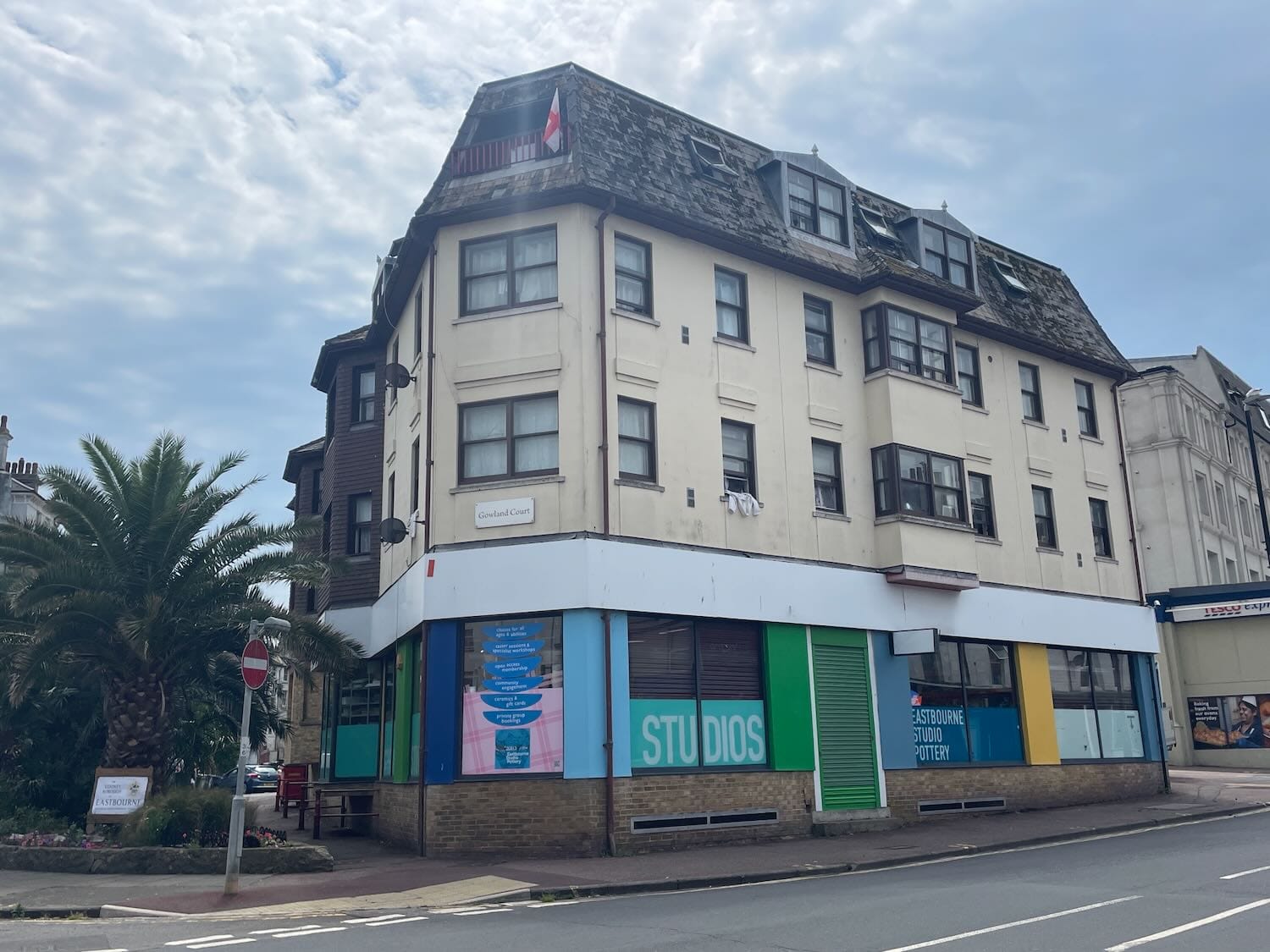
Zoe Yates, a music graduate and social media content creator, chose a modern building further along Seaside Road she noticed when, as a newcomer to the town, she went in search of fellow creatives.
"When I first moved here, I remember seeing a wide building on the corner of the road, divided into layers, aesthetically almost like a tub of Neapolitan ice cream," Zoe writes in her article. "A large chunk was cream, reserved and residential, but it was the bottom half that caught my eye. When I read the word ‘pottery’ on one of the windows, I was intrigued. When considering what I wanted to write about, the studio felt perfect."
Zoe soon discovered that the building has "a perplexing history", which she explores in her article, thanks to some archival research by members of the Eastbourne Local History Society.
Meanwhile, Emma Boyes, the third researcher, was drawn to what was once a library on the corner of Seaside and Firle Road. The library closed in 1999, after which the building was also converted into flats, but "memories of quiet spaces, a famous author and a goldmine of books" live on.
Emma tracked down people who used the library, as well as its last librarian, Lesley Byrne, and Julie Richmond, the daughter of a former caretaker who lived in a flat above the library.
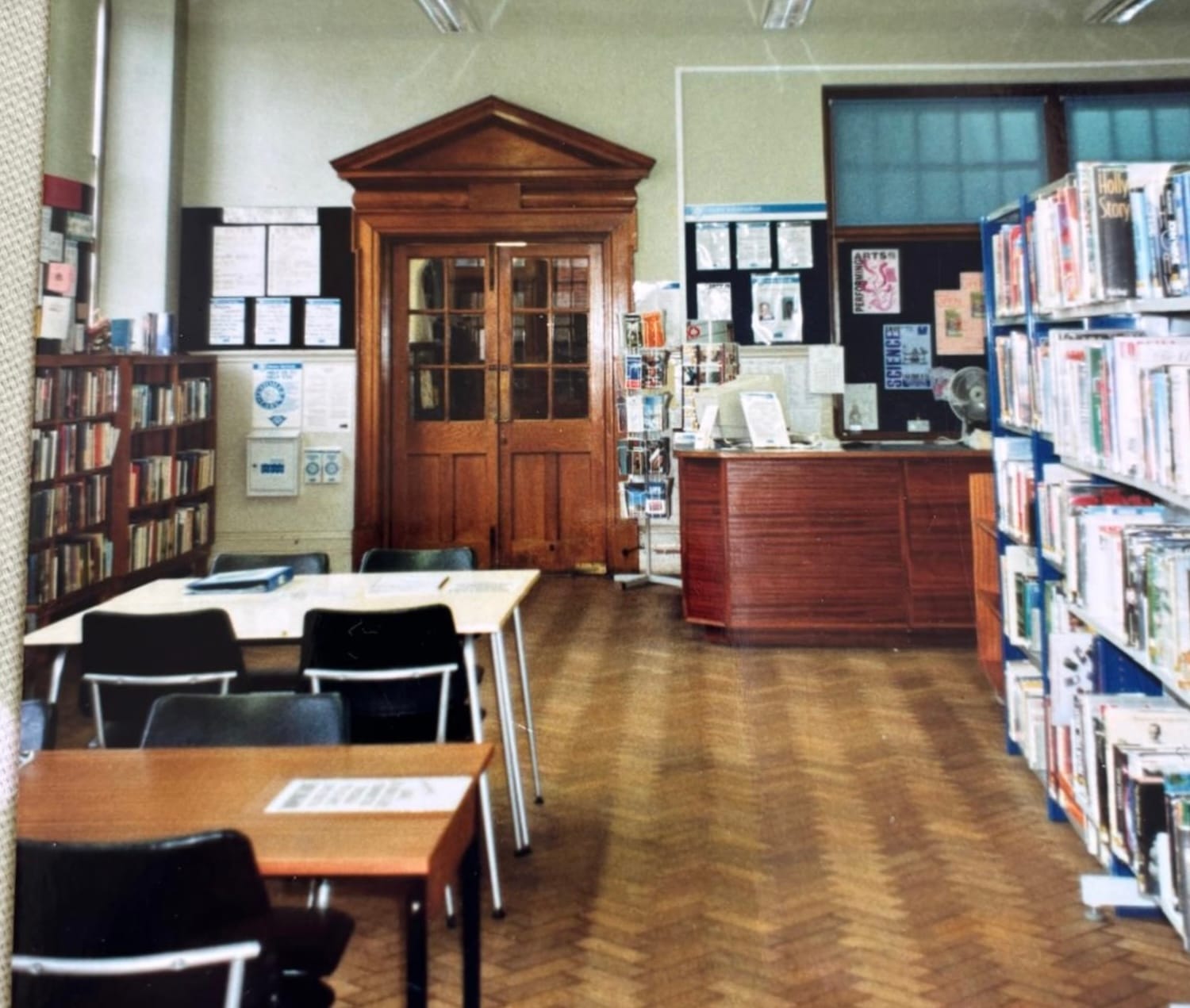
"'The quietest library in East Sussex' was the description of Seaside Library," writes the researcher. "To me, as an autistic introvert who loves books and has a distracting noise sensitivity, that sounded to me like the closest thing to heaven."
Look out for the researchers’ articles, which the Eastbourne Reporter will publish this week in the run-up to the launch of the Discover, Celebrate, Grow exhibition at the Volt Gallery on Saturday 10 October from 2pm to 4pm.
:: The Discover, Celebrate, Grow exhibition runs from 10 October 2026 to 10 February 2027 at Volt, 67–69 Seaside Road, Eastbourne. It reflects a year of digging into the history of the Devonshire Ward with the people who live there, from storytelling walks and community research to filmmaking with foraged materials. Admission free