Half a century of healthcare - on an airfield site
By Warwick Davis
Warwick, a keen local historian, worked at Eastbourne District General Hospital (DGH) and others in the area from 1978 to 2014, becoming principal biomedical scientist and managing facilities in Eastbourne and Hastings. He takes a look at how medical services in the town have changed over half a century.
It's 50 years since the DGH opened its doors to the first outpatients and for accident and emergency care.
It replaced the previous Victorian general hospital, which dated from 1883, and many smaller medical sites dotted around the town.
The DGH was built on an airfield known as Frowd's Field which had been put forward as the site for an airport in the 1930s because visitors from London were predicted to use planes to spend the day in Eastbourne.
There were green fields between the original DGH building and the staff residence blocks. To the rear, where the current diabetes centre is, there was a large mound of earth which staff used for tobogganing in the winter.
The staff social club along with swimming pool, squash and tennis courts no longer exist. I recall in my first days seeing all the relatively newly-planted trees: 50 years later you can see them in their grand maturity.
Where was Eastbourne’s first hospital?
Hospital treatment as we would recognise it today began in Eastbourne in 1883 when the Princess Alice Memorial Hospital opened in Carew Road.
Alongside this main hospital, there was the Leaf Homeopathic Hospital on a site on Marine Parade from 1888 to 1933 and All Saints Hospital for convalescing at the far western end of the town in Meads from 1869 until 2004.
There was also St Mary’s Hospital in Old Town; Downside and Gildredge hospitals off East Dean Road; a maternity home in Upperton Road; an eye hospital in Pevensey Road; and Hellingly Hospital, near Hailsham, for psychiatric treatment.
How did the DGH come about?
The seeds of the plan for the DGH were sown in 1964 when a proposal was put forward to bring together the disparate services.
After much discussion and representation to the government in 1969, the South East Metropolitan Regional Hospital Board announced draft plans for a state-of-the-art 630-bed hospital with a build start date for the first of three phases in 1971.
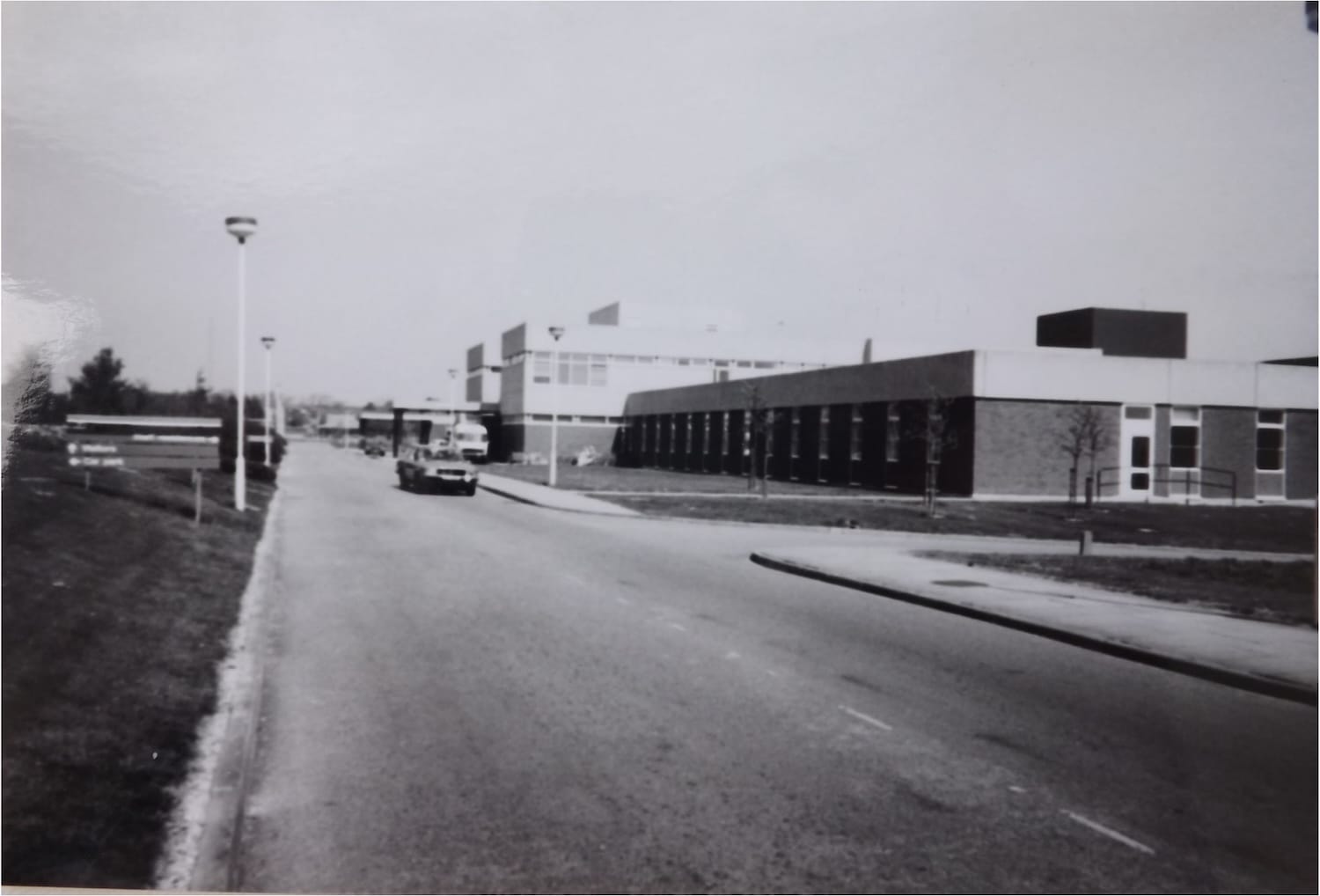
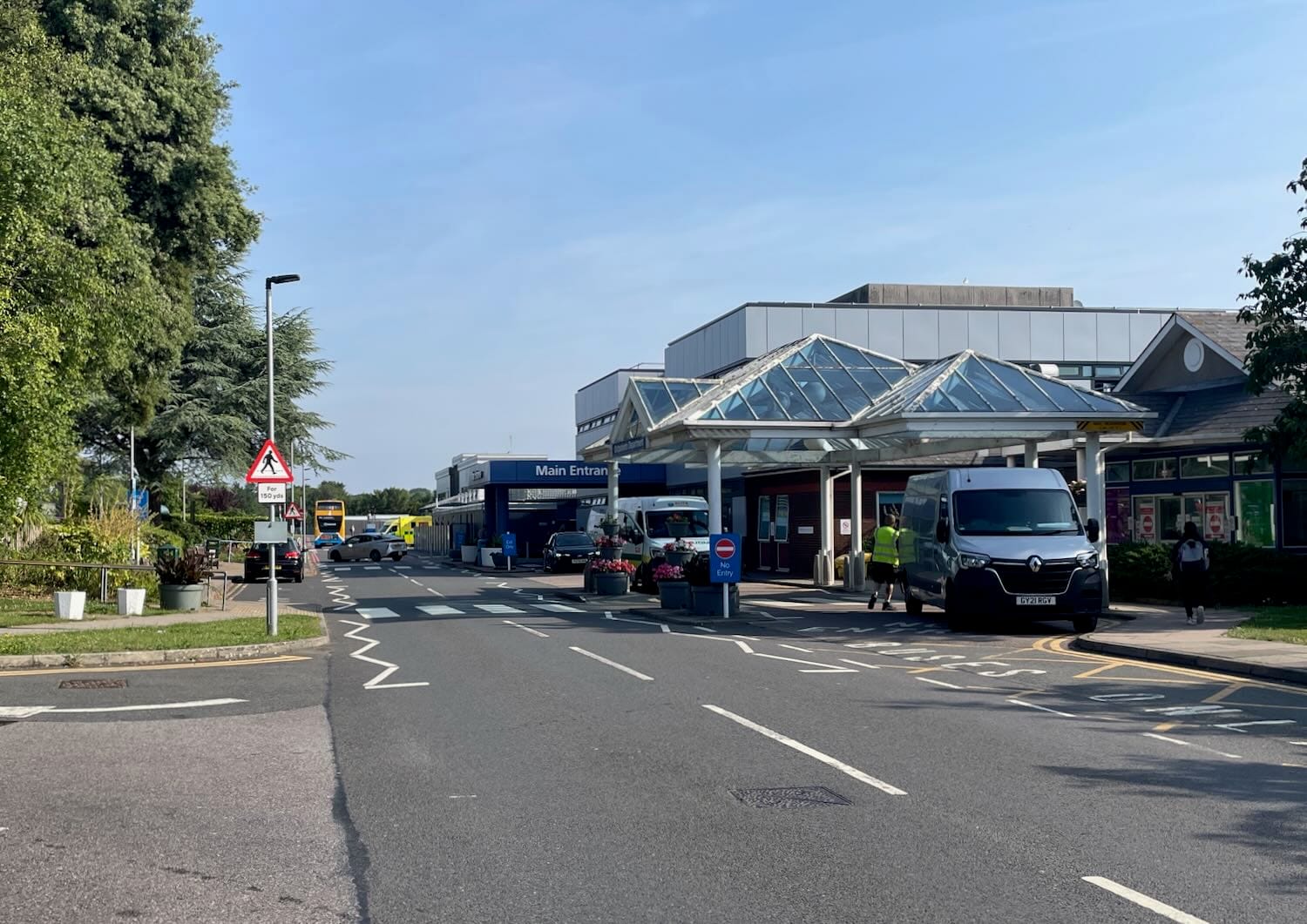
It was to be built on 30 acres of land alongside King’s Drive and would cost £6 million. Although work started on what was to be the surgical centre, the second phase was to be delayed by ten years and the cost would increase to £10 million.
The hospital would serve 170,000 people in Eastbourne and the surrounding area.
The new hospital in numbers
- 255 surgical beds
- 50 maternity beds
- 46 children’s beds
- Ten intensive care beds
- Six x-ray rooms
- Eight operating theatres
- 90 psychiatric beds
- Medical records department with 210,000 sets of case notes
- Laundry processing 180,000 items a week
- A total of 1,500 rooms
- 4,500 electrical sockets
- 7,000 light fittings
- 144 miles (230km) electric cable
And wards would be named after local towns and villages such as Seaford, Hailsham, Friston and Litlington.
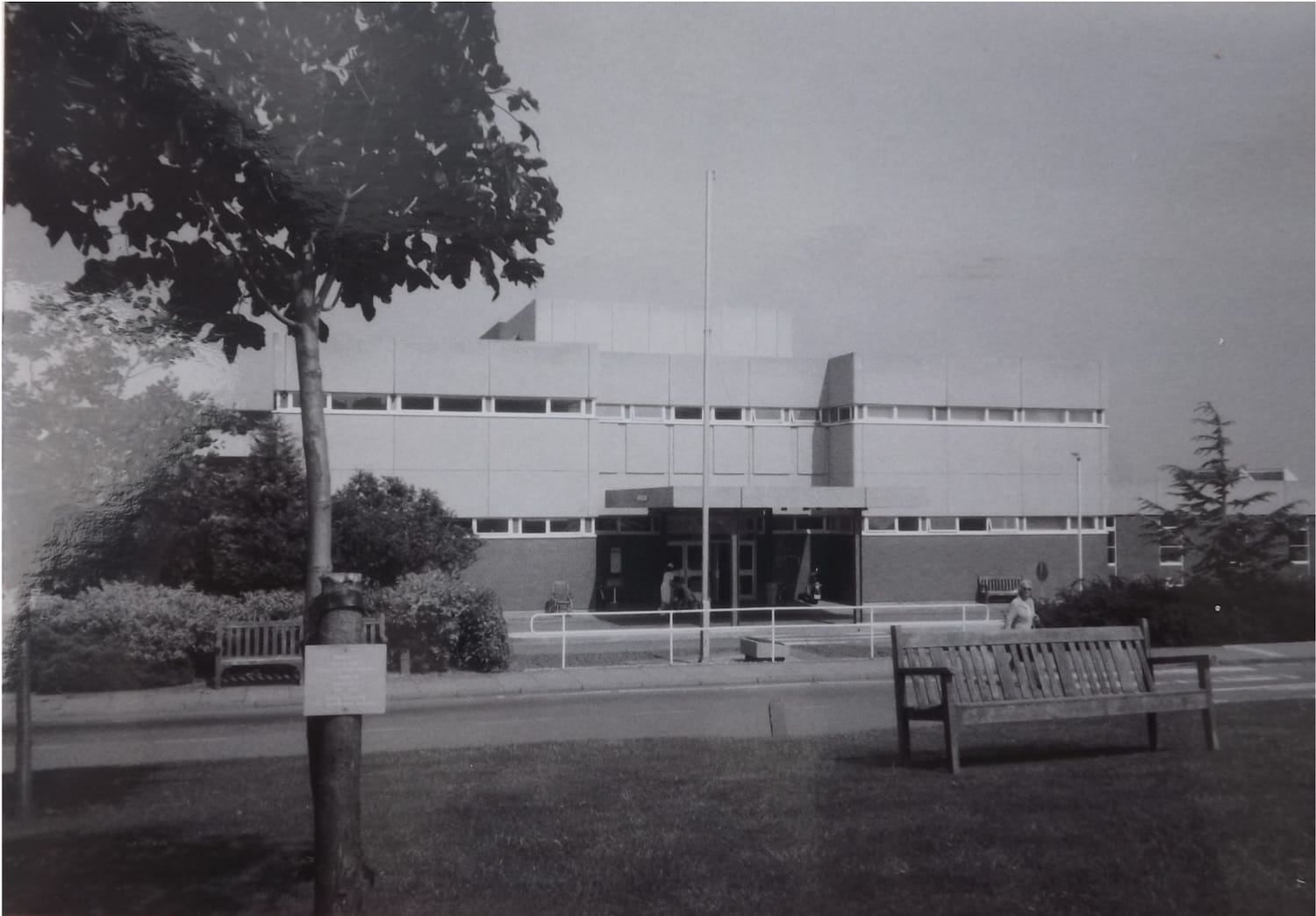
What was it like for staff and patients?
For staff there were:
- Residential blocks
- Swimming pool, squash courts, recreation centre
- Restaurant serving full meals and separate coffee room
- Interdenominational chapel
Patients could enjoy:
- Hairdressing salon
- Library
- Hospital radio
- Morning daily paper and magazine trolley round
An education centre housed:
- Medical and nursing library
- Museum
- Tea bar
- Tiered 92-seat conference hall with projection facilities
- Nurse training school
What were salaries at the hospital in 1976?
- Higher skilled craftsman: £70 for a 42-hour week (equivalent to £485 today)
- Shorthand typist: £46 to £52 a week / £2,396 to £2,750 per annum
- Cook: £44.06 for a 40-hour week
- Mortuary Attendant (nights): £37.42 for a 40-hour week
- Driver: £34.04 for a 40-hour week
- Porter: £31 for a 40-hour week
DGH timeline
1976
28 May: outpatients departments at the Princess Alice, St Mary’s, Leaf and maternity home sites close
1 June: outpatients department at DGH open
1 September: Accident and Emergency department opens with 16 beds, a day room and clinic. The A&E at Princess Alice closes. It is decided that Downside and Gildredge hospitals will close and the Leaf will become a chiropody school. St Mary’s to become the medical centre and Princess Alice the centre for geriatric care.
1979
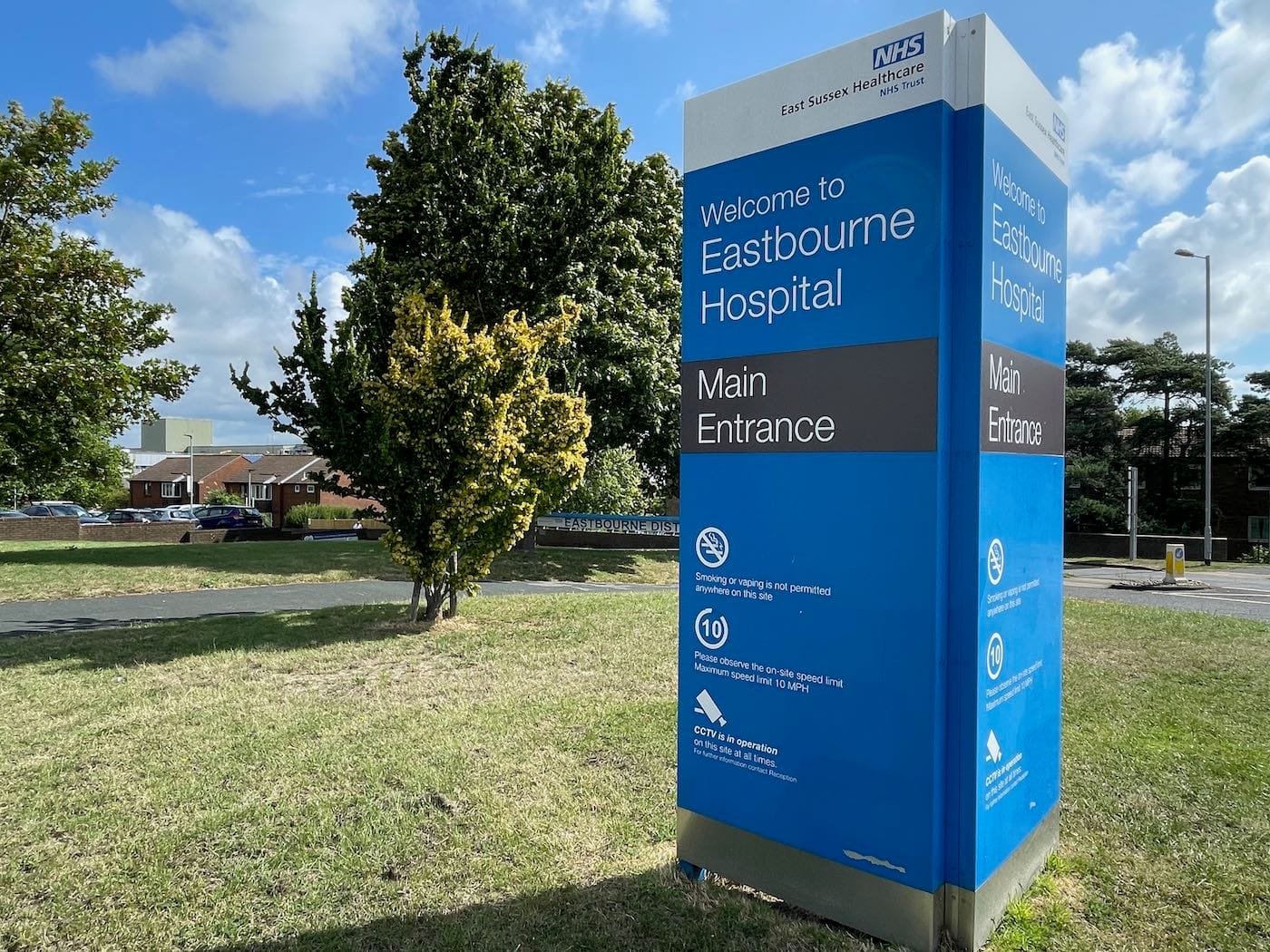
Pupils from Bourne School replant oak saplings they had been growing oak since 1975 at the DGH at the commercial vehicle entrance
1986
Fruit and flower shop opens at the front of hospital
1988
Proposal put forward to have sponsored wards such as ‘Woolworths Ward’ to raise money
Department of Psychiatry opens to patients after offering tours of inspection
1989
Newspaper headlines say DGH to opt out of Health Service to go self-governing.
Protests at proposed imposition of 40p car parking charges
Proposal to set up a private patients’ ward at DGH
Work starts at DGH for the replacement of St Mary’s medical centre comprising:
- Five wards with 140 medical beds
- Four wards with 120 beds for the elderly
- Ward for psycho-geriatric assessment (1990)
- Elderly orthopaedic ward (1990)
- Physiotherapy
- Occupational and speech therapy
- Hydrotherapy
- Paediatric assessment
The whole is predicted to cost £900,000 a year more than St Mary’s
2002
1 April: East Sussex Hospitals NHS Trust is created
2011
13 May: renamed East Sussex Healthcare NHS Trust, running the DGH and the Conquest Hospital in Hastings and other services across the county
2025
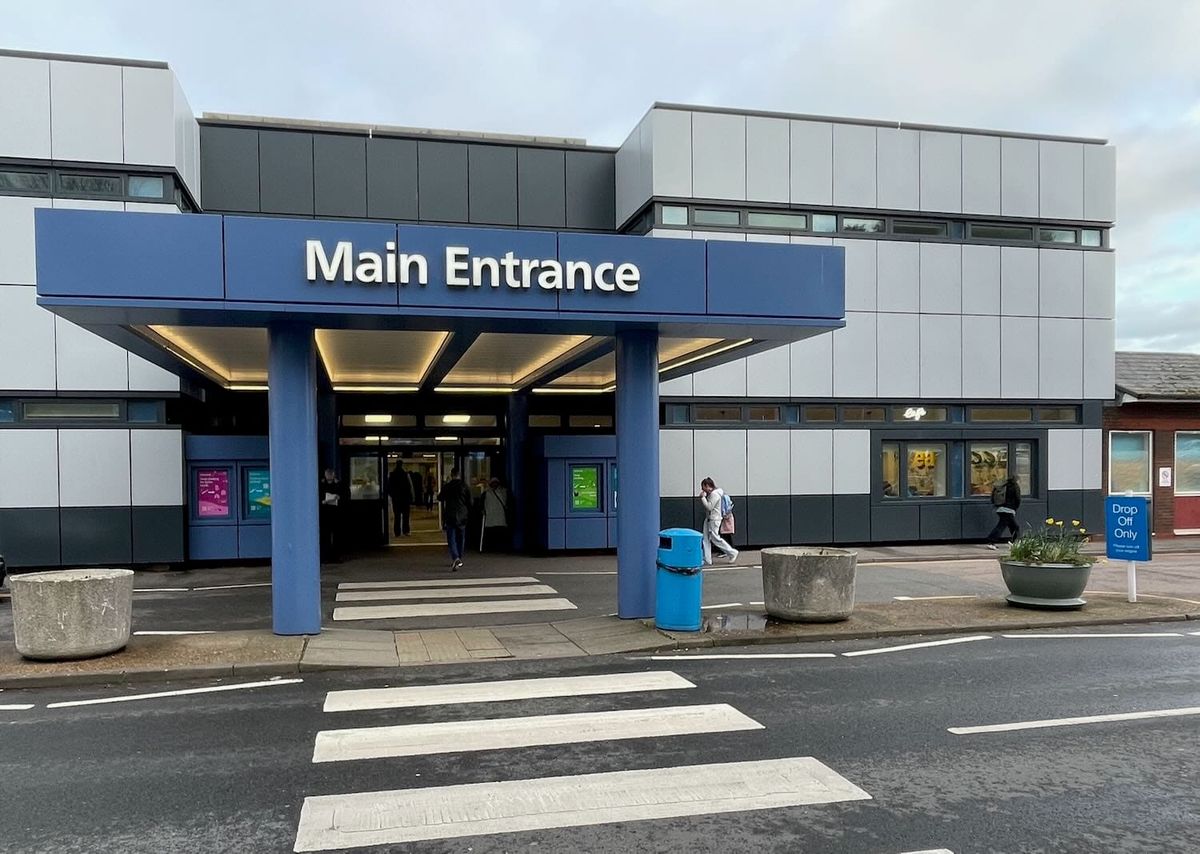
In September, the £40 million Sussex Surgical Centre to treat day surgery patients in four operating theatres opens on the DGH site (below). It carries out around 7,000 planned procedures a year, operating ten hours a day, five days a week.
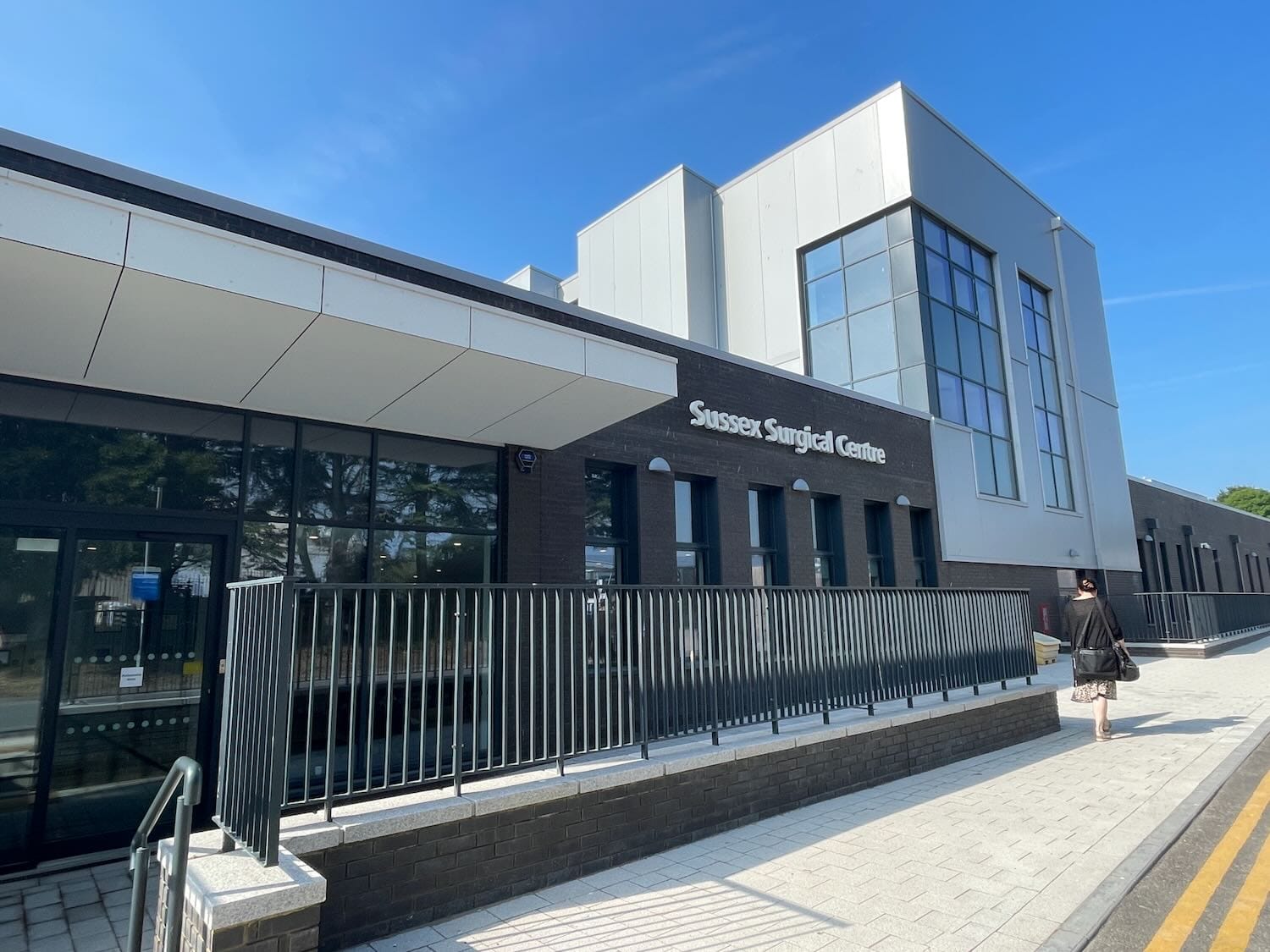
So half a century after the Victorian hospital closed and the first patients were treated at the DGH, advances in treatment mean people can now undergo simple surgery and go home to recover the same day.
What are you memories of the DGH from the early days - as a patient or staff member? Let us know at news@eastbournereporter.co.uk and we'll feature a round-up of your best recollections and photos