The lost cinemas of Eastbourne
This research is part of the Discover, Celebrate, Grow programme funded by The National Lottery Heritage Fund, marking ten years of Devonshire Collective. This is the first of three features by community researchers trained by the Eastbourne Reporter to research their neighbourhood in the town centre
It uncovers a world which has disappeared, of cinemas where we once watched silent movies and newsreels as shared experiences
By Julie Roworth
Walking past the eclectic mix of Victorian and modern buildings along Eastbourne’s Seaside Road, you will come across several huge buildings that are inconsistent, more imposing, more ornate than their neighbours.
They have a range of features that would have once turned the heads of passers-by: turrets, a copper dome, huge arched windows. These striking buildings were once among the many cinemas of Eastbourne. In fact, during the 1930s there were nine cinemas in Eastbourne, coexisting successfully without fear of closure from competition due to huge demand from cinema goers.
The dramatic transformation in our viewing habits – from the more common appearance of TV in the home in the 1950s to the constant streaming of films on mobile phones now – inspired my quest to find out about the old cinemas of Eastbourne.
We loved our visits to the Curzon on Langney Road when I arrived in Eastbourne more than 20 years ago. Yet when plans were announced for the new eight-screen Cineworld in the Beacon Centre, we knew the Curzon wouldn’t survive.
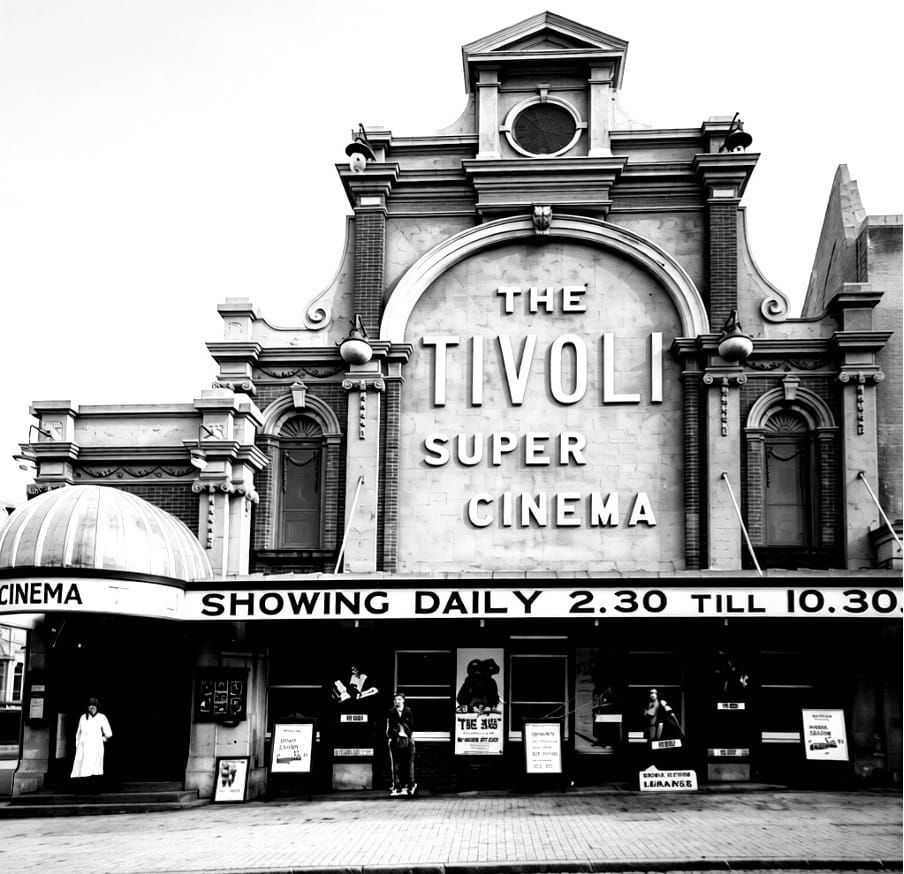
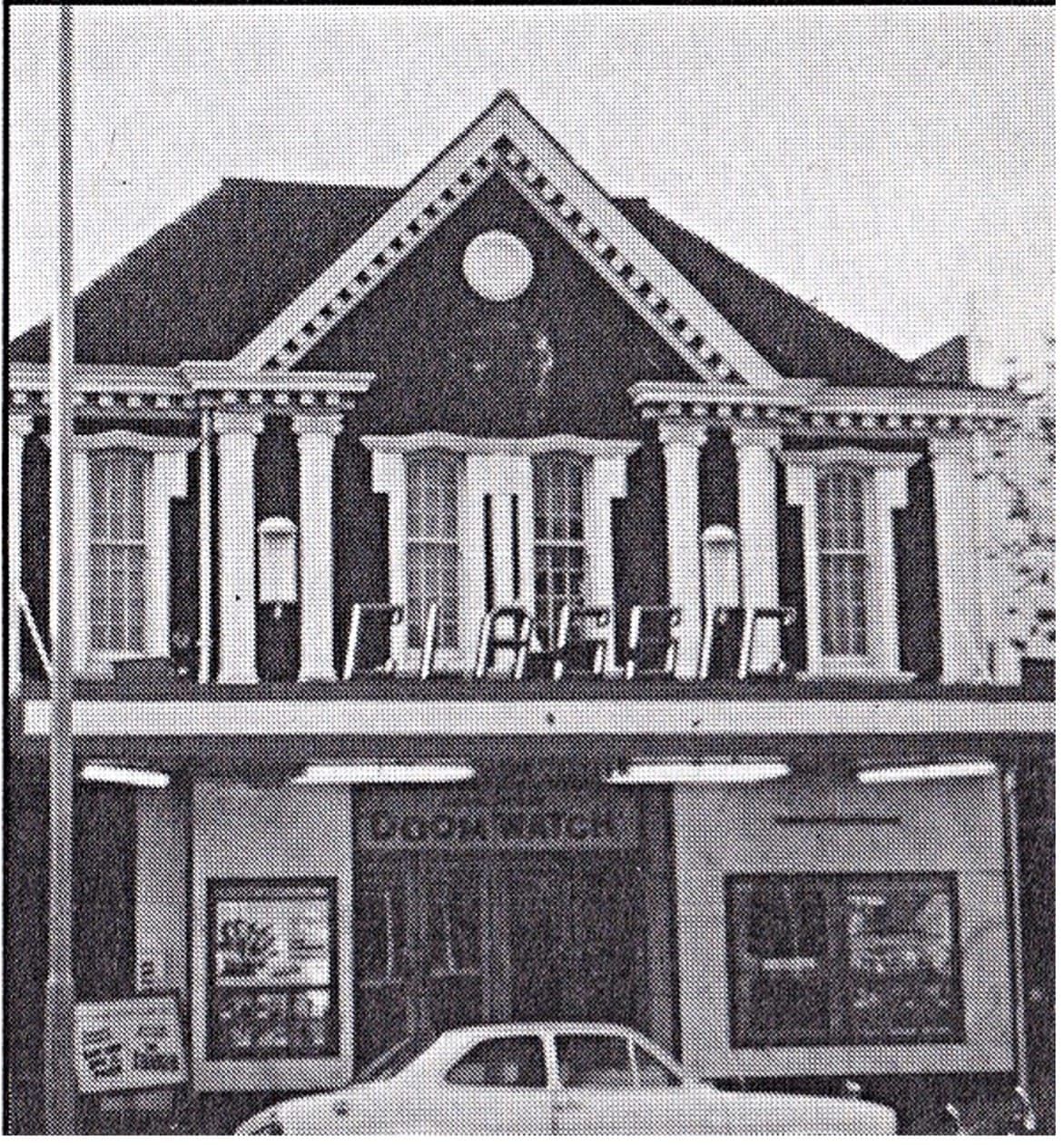
As you head east along Seaside Road, just past the Eastbourne Business Hub, on the corner of Queens Gardens, look up and see what was once the Tivoli Cinema (main photo). This cinema proved to be one of the most resilient of them all, opening in 1906 with space for an audience of 600.
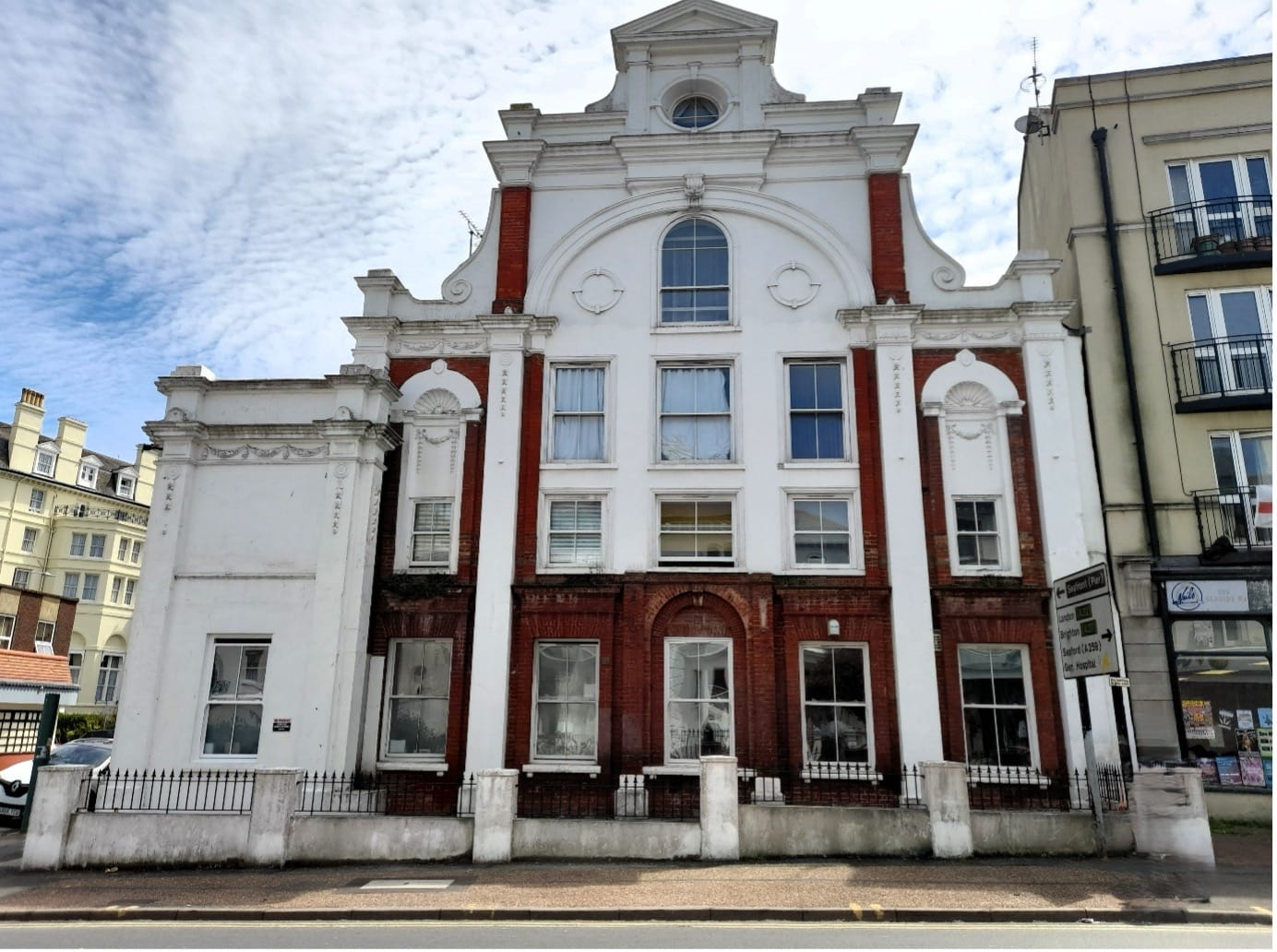
The New Picture Hall, as it was initially called, opened in the era of the silent film which, for viewers, wouldn’t have been a silent experience. These were very short black and white films accompanied by live musicians, maybe an orchestra and lots of audience participation.
In his book Temple of Dreams, Peter R Hodge tells us: "It is reliably reported that the Tivoli employed a sound effects man during the years of the silent films to ring bells, fire guns etc. to add to one’s enjoyment of the film."
The New Picture Hall later changed its name to the New Picture Palace, then the Eastbourne Picture Palace. In 1915, it was finally renamed the Tivoli.
The silent film era lasted throughout the 1920s, during which time, after many years of tuning pianos, Eddie Shoesmith became the Tivoli pianist. Eddie lived on nearby Beamsley Road with his two youngest daughters and must have been incredibly good at improvisation to play along with the film: heightening the tension, keeping pace with the action, dramatising the moustache-twirling villains, damsels in distress and swashbuckling heroes.
By the 1930s the ‘talkies’ had arrived and all of our Eastbourne cinemas had to adapt to survive. Thousands of pounds were invested in sound equipment and the Tivoli showed its first full-length talking film – Bulldog Drummond (1929), an American crime movie – in January 1930.
Like many others, the Tivoli closed during the wartime years; it was by then called the Tivoli Super Cinema. The Tivoli survived until 1982, when it became a Performing Arts Centre, then a nightclub. It now comprises 20 flats and an office space.
If the Tivoli Super Cinema happened to be showing a film that wasn’t your cup of tea, you could simply cross the road and try the Manhattan.
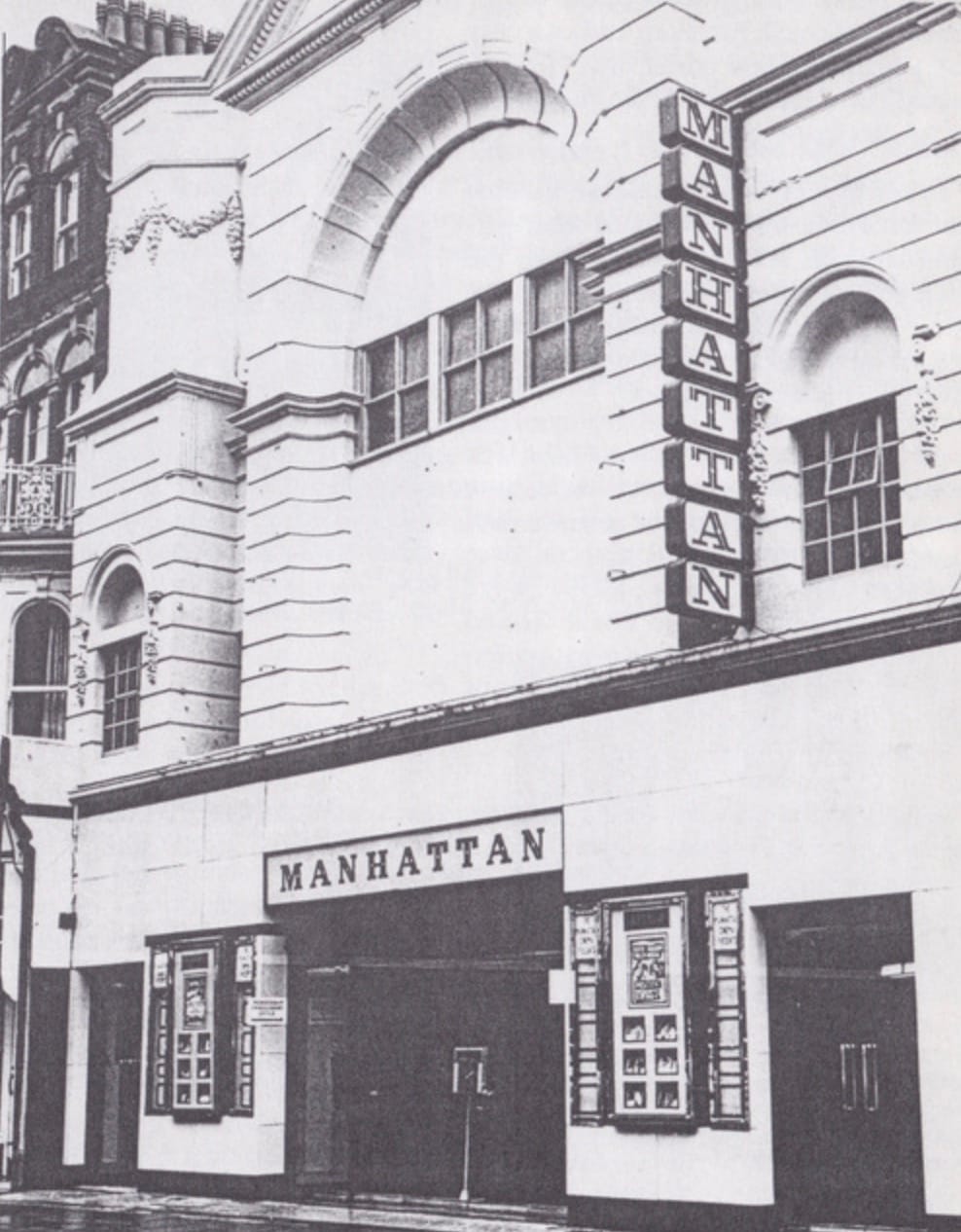
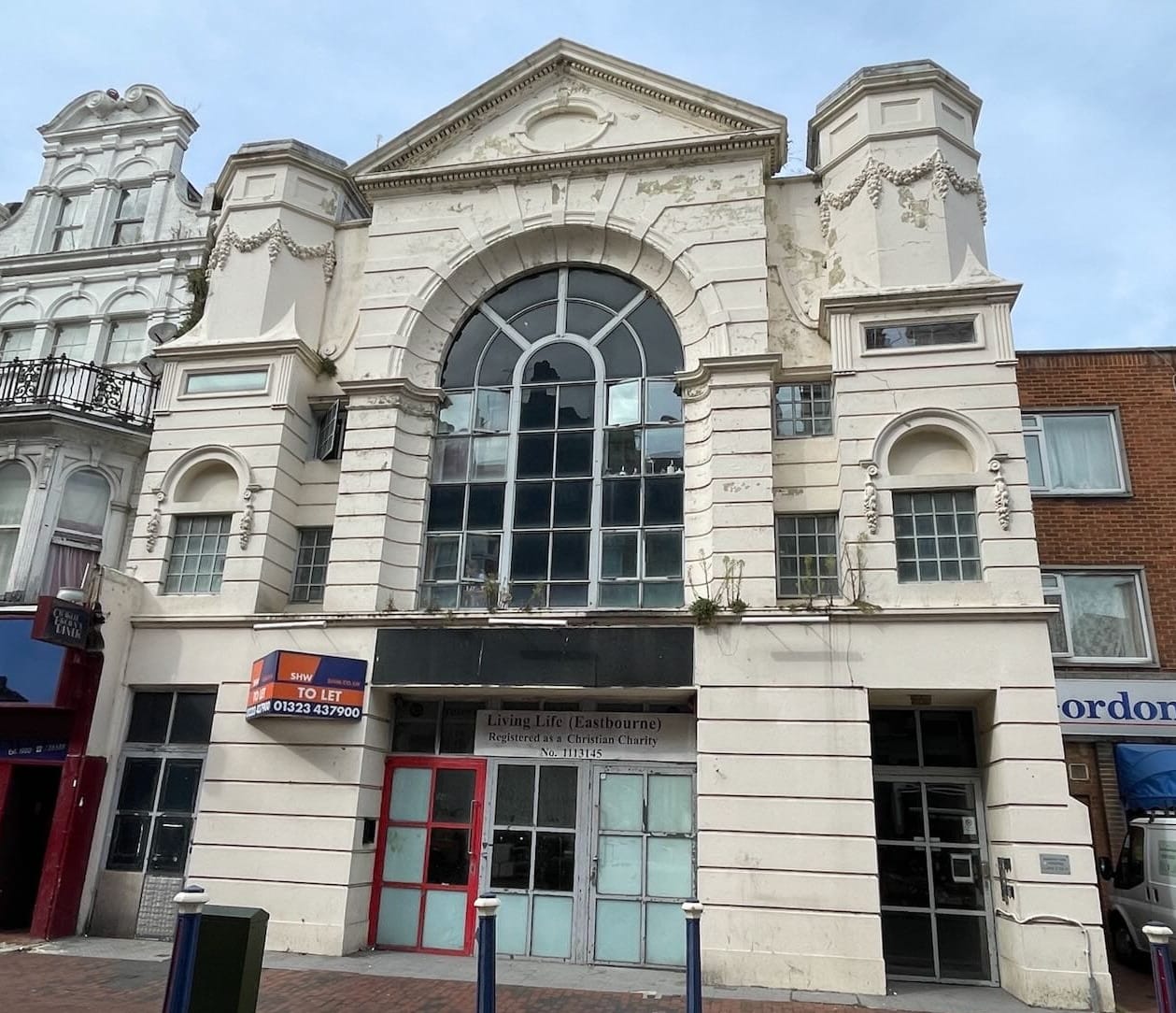
This cinema started out as The Central Hall Electric Theatre in 1911 with a very unusual seating arrangement known as a reverse-slope auditorium. This involved seats sloping downwards from the stage to the back of the room.
It must have been effective as the Eastbourne Herald described the venue as "Eastbourne’s cosiest cinema". In 1915 the Central Hall Electric Theatre was re-named the Central Cinema then, after the war, the New Central. It became the Manhattan in 1961, Eastbourne’s very own arthouse cinema screening films such as Mondo Cane (1962), a controversial Italian documentary screened in May 1965 at the Manhattan and given an X rating for over 18s.
Half a mile further east, past Seaside Road, and on Seaside, was yet another cinema. This opened in 1912 as the Eastern Cinema Palace and with its ornate, symmetrical domes it does have the appearance of a tiny palace. This soon became the New Eastern Cinema and finally Regal Cinema, before it closed in 1953 to become a small F W Woolworth store, then a car showroom, a Top Marks kitchen and bedroom shop. It is now Payne & Sons Funeral Directors.
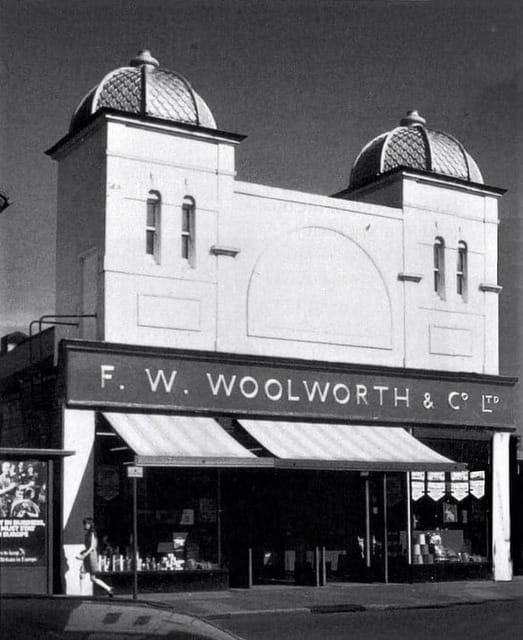
The 1950s were the beginning of a challenging time for cinemas. By 1953, when the Regal closed, one in three families had a television in their homes. There was just one television channel, the BBC, and all programmes stopped between 6pm and 7pm so that parents could put their children to bed before adult television would begin.
Broadcasting was allowed between 9am and 11pm but only two of the hours could be before 1pm. Cinemas struggled as televisions became more affordable and there was a huge drop in visitors. But in Eastbourne, six cinemas survived with half of these being on Seaside Road and Seaside and all but one being in Devonshire Ward.
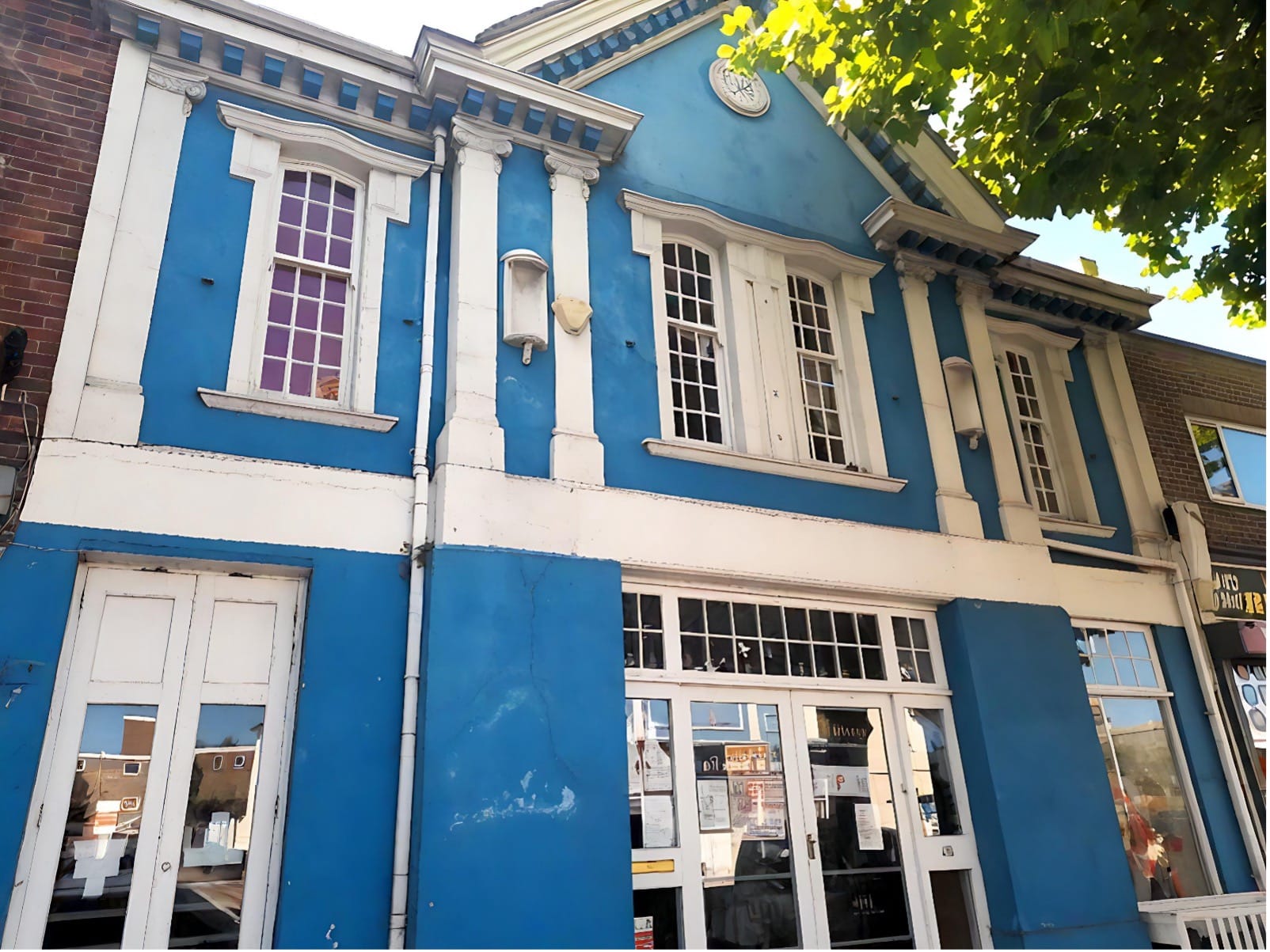
Across the road from the Regal stood the cinema that changed its name more than any other cinema in Eastbourne. In 1914 the Eastbourne Picture House opened boasting a clav-orchestra organ, a top-notch organ purposefully built to accompany silent films and emulate the sounds of an entire orchestra. Just one year later it was renamed The Empire, by 1921 the Empire had become the Elysium, by 1936 it was the Gaiety before finally being renamed the New Classic.
A regular visitor to the New Classic remembers the small foyer where you could buy your ticket and maybe some sweets, a drink or a little tub of ice cream from the shop. In 1971 the Eastbourne Herald advertised the New Classic as showing Butch Cassidy and the Sundance Kid for seven days. But just two years later it closed its doors as a cinema forever. Today the building at 186 Seaside is the Happy Haberdashery, a welcoming creative, community space, selling salvaged craft materials and fabrics, and running sewing classes.
Carol Brady was an Eastbourne teenager in the late 1960s and early 1970s, living just off Seaside. Carol went to the Tivoli regularly as it was the cheapest cinema around and she remembers following the usherette’s beam of torchlight to find her seat and watching the Pathé newsreels that played before the main film. Carol and her friends used to call the Tivoli the ‘flea pit’ as it was getting a little old and run down.
In contrast, she remembers the newly-refurbished ABC Cinema, formerly the Luxor on nearby Pevensey Road, as being much nicer; she loved going to the Saturday morning Minors Club as a child, where she would be dropped off for three hours of viewing for just 6d.
Carol’s brother, always on the cusp of getting into trouble but seeming to get away with everything, made friends with the projectionist and was able to sneak in a side door of the ABC and watch the films for free. The ABC was much newer and seemed bigger and better than the other cinemas in every way.
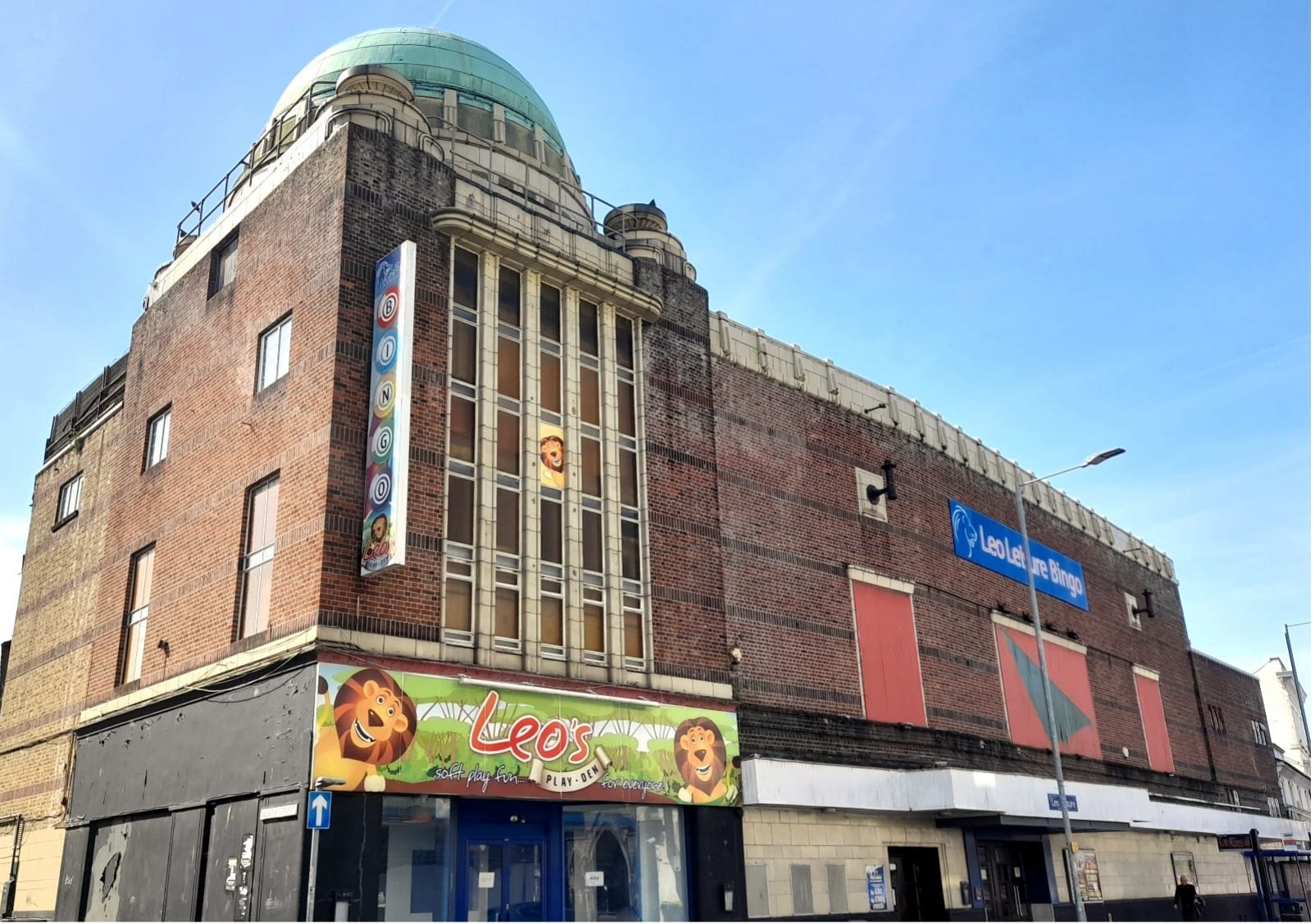
The cinema, which began life as the Luxor, was renamed the ABC in the early 1960s before becoming the Cannon, finally closing in 1991 when a new cinema opened at Sovereign Harbour. The building today is a bingo hall.
As the name suggests, the Luxor was aiming for the luxury cinema experience. The building is still topped with a huge copper dome while in its heyday, a carpeted foyer with armchairs and settees greeted visitors and all of the seats had ashtrays. Smoking was allowed in cinemas and wasn’t banned until 2007. During the 1950s some cinemas experimented with having two days of the week as non-smoking days but members of the public were unimpressed!
The luxurious Luxor opened in 1933 and had the first automatic ticket machine in Eastbourne. It was known for its cine-variety nights involving both a film and a live band on the stage.
These cinemas evolved and reinvented themselves time and time again, changing their names and installing sound systems. Watching a film, an activity that was once an event, a shared experience, to be planned and anticipated, has become commonplace.
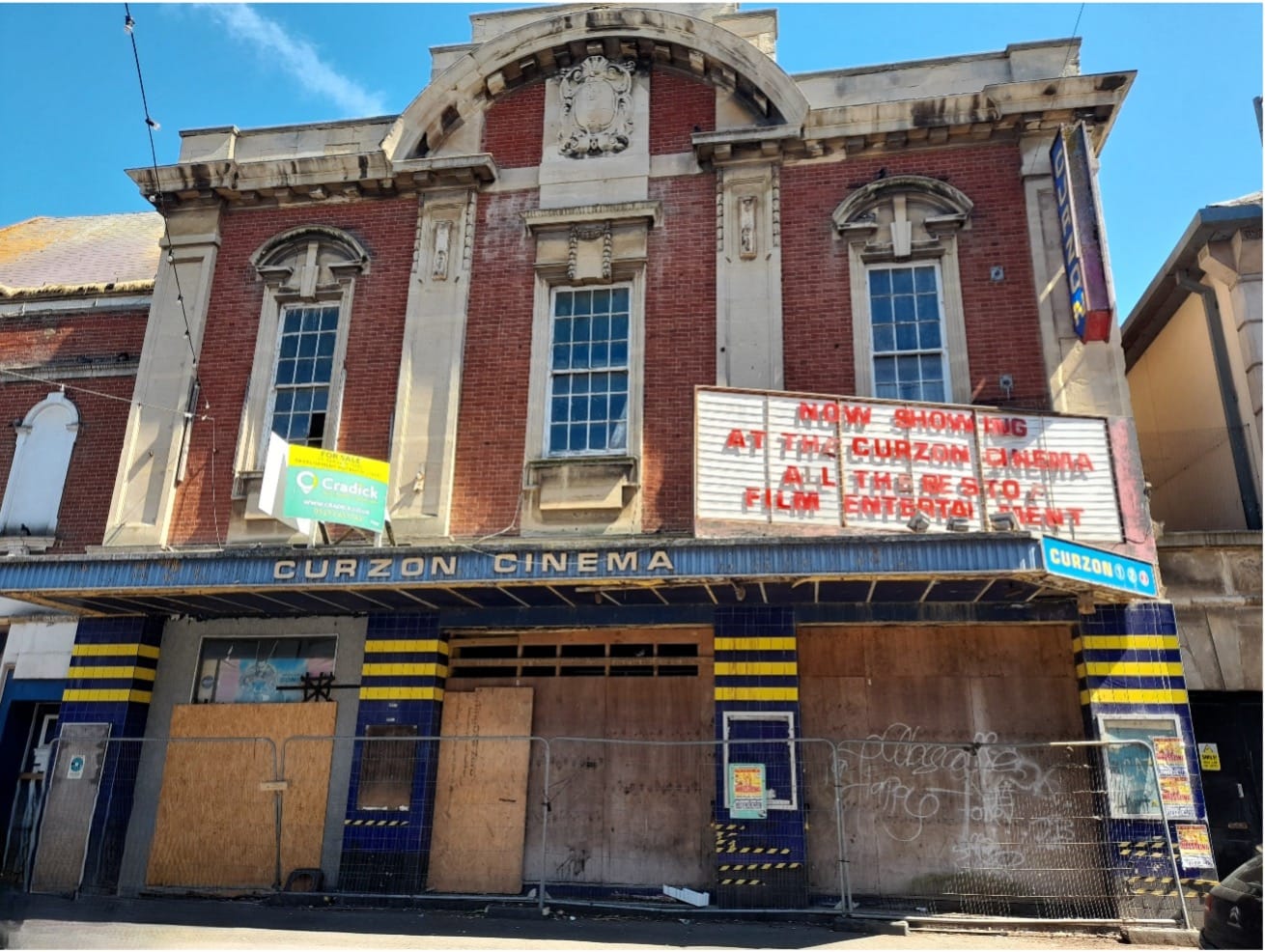
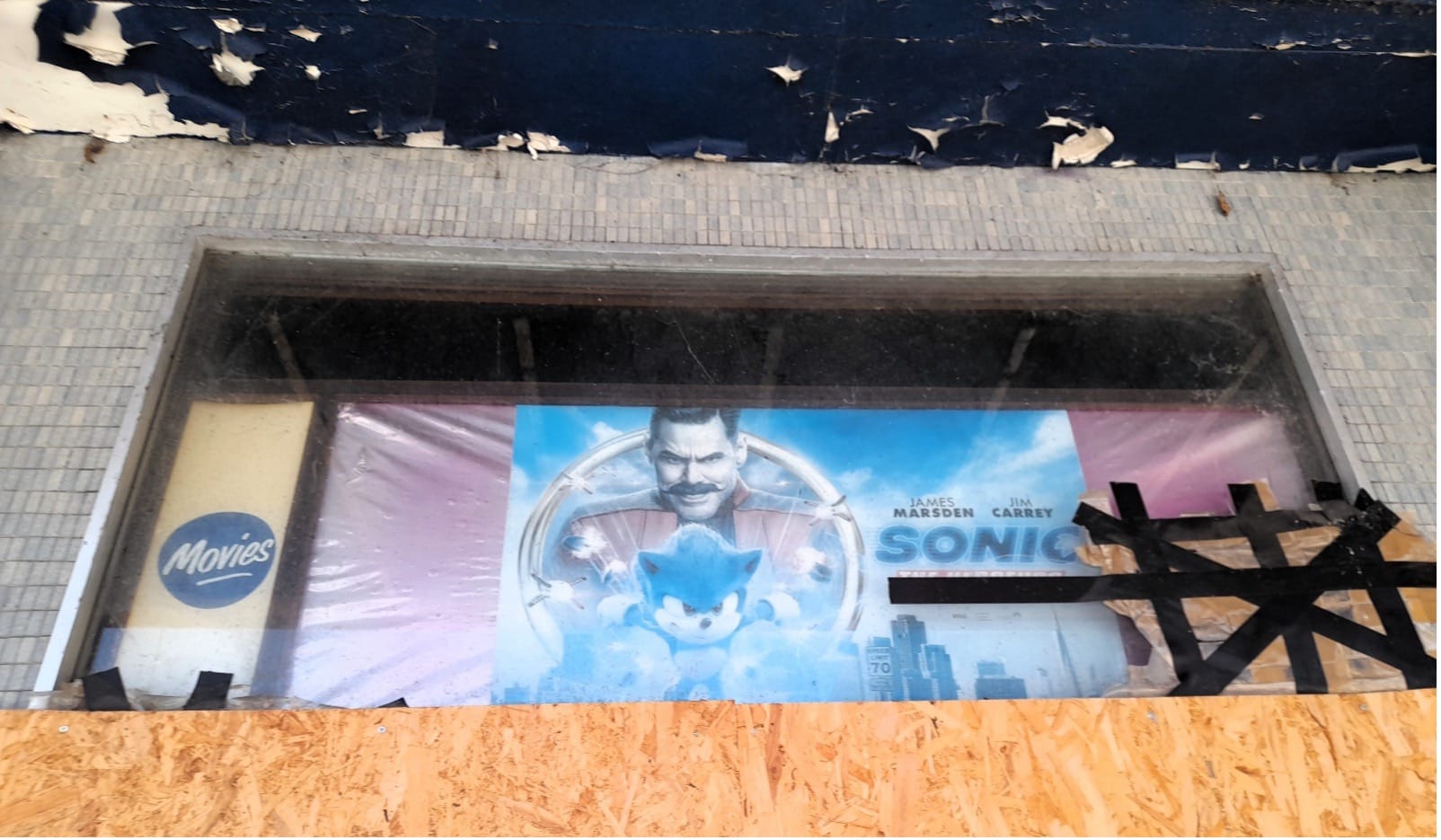
The Curzon stands today, still clearly a cinema, frozen in time, with faded posters, under taped broken glass advertising Cats and Sonic the Hedgehog with Jim Carrey. Sadly, the Curzon closed in January 2020, just before the Sonic film was released and 11 months before its 100th anniversary. The eight-screen Cineworld had opened in July 2019.
Eastbourne has evolved from a town with nine cinemas to a town, as elsewhere, where almost everyone has a smartphone and can stream films 24 hours a day. Watching a film is sometimes just a background while we do something else in our daily lives.
What a monumental change in the way we live in just a matter of decades.
:: The Discover, Celebrate, Grow exhibition runs from 10 October 2026 to 10 February 2027 at Volt, 67–69 Seaside Road, Eastbourne. It reflects a year of digging into the history of the Devonshire Ward with the people who live there, from storytelling walks and community research to filmmaking with foraged materials. Admission free