A glimpse of stories from Eastbourne's history
By Rebecca Maer
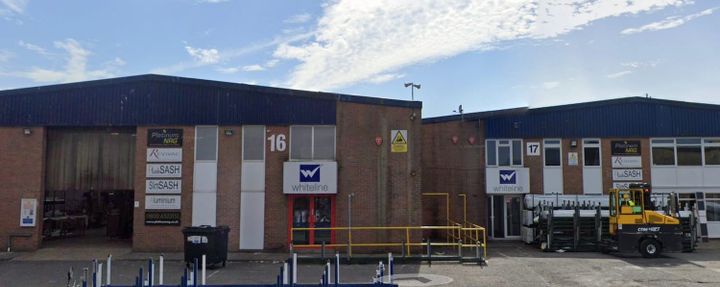
If you were clearing the attic of a collector with wide-ranging and eclectic tastes, it might look something like the new heritage store in an anonymous grey unit in Hampden Park.
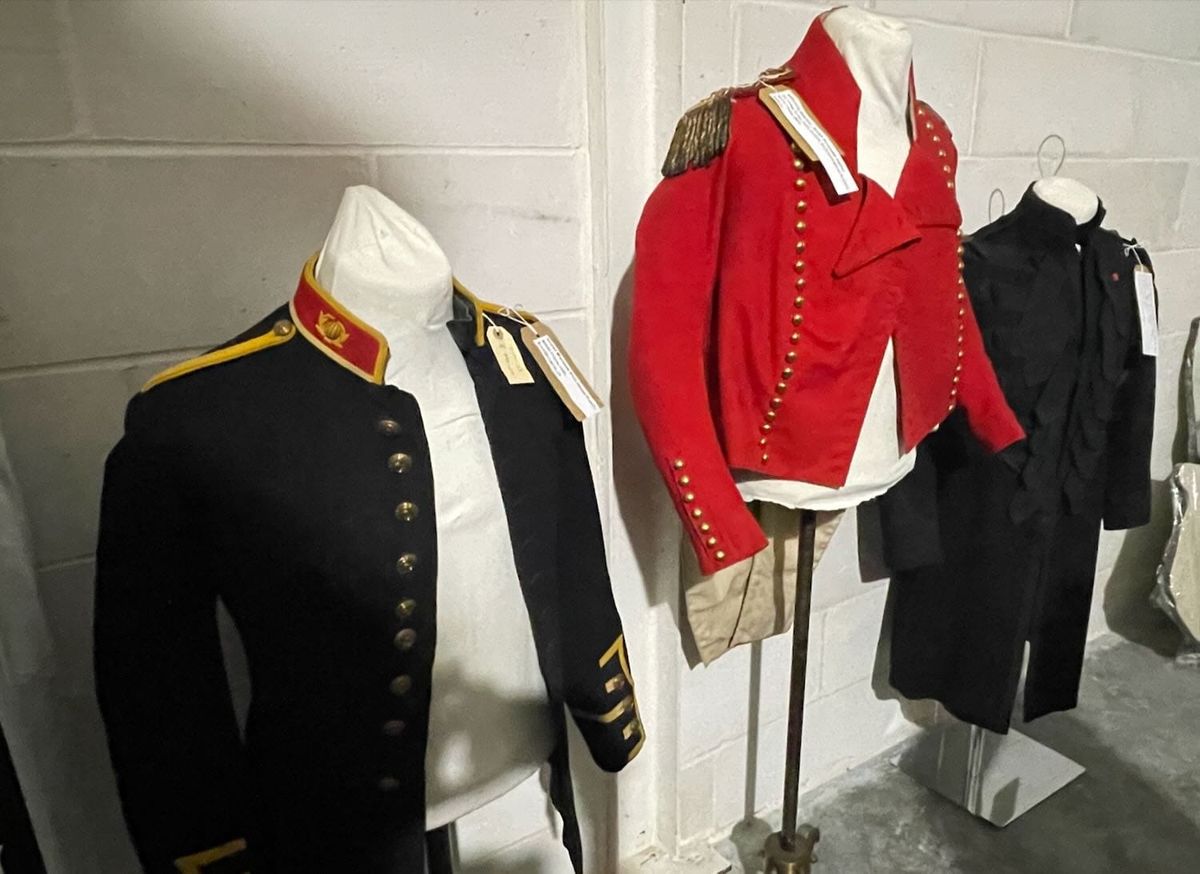
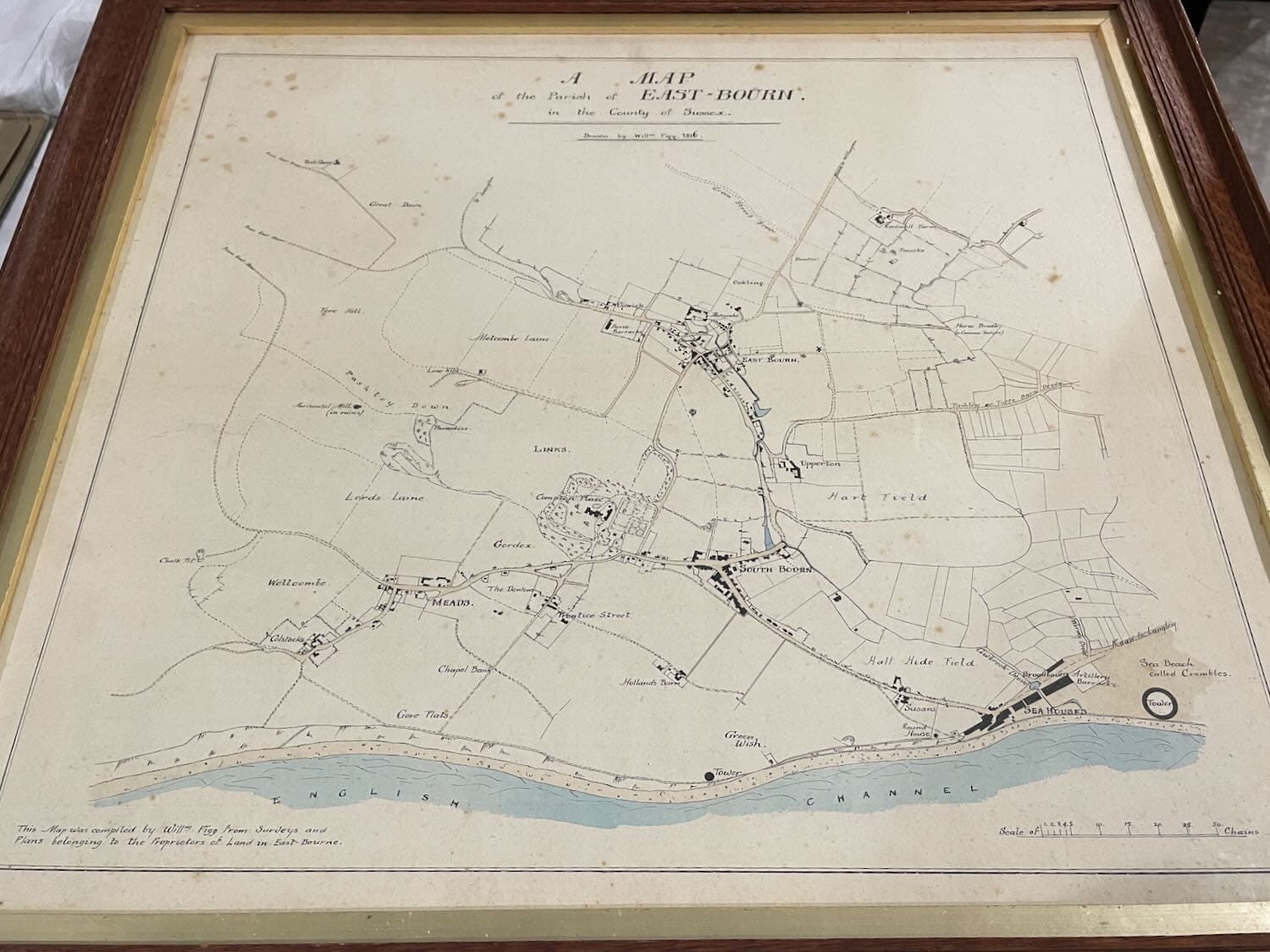
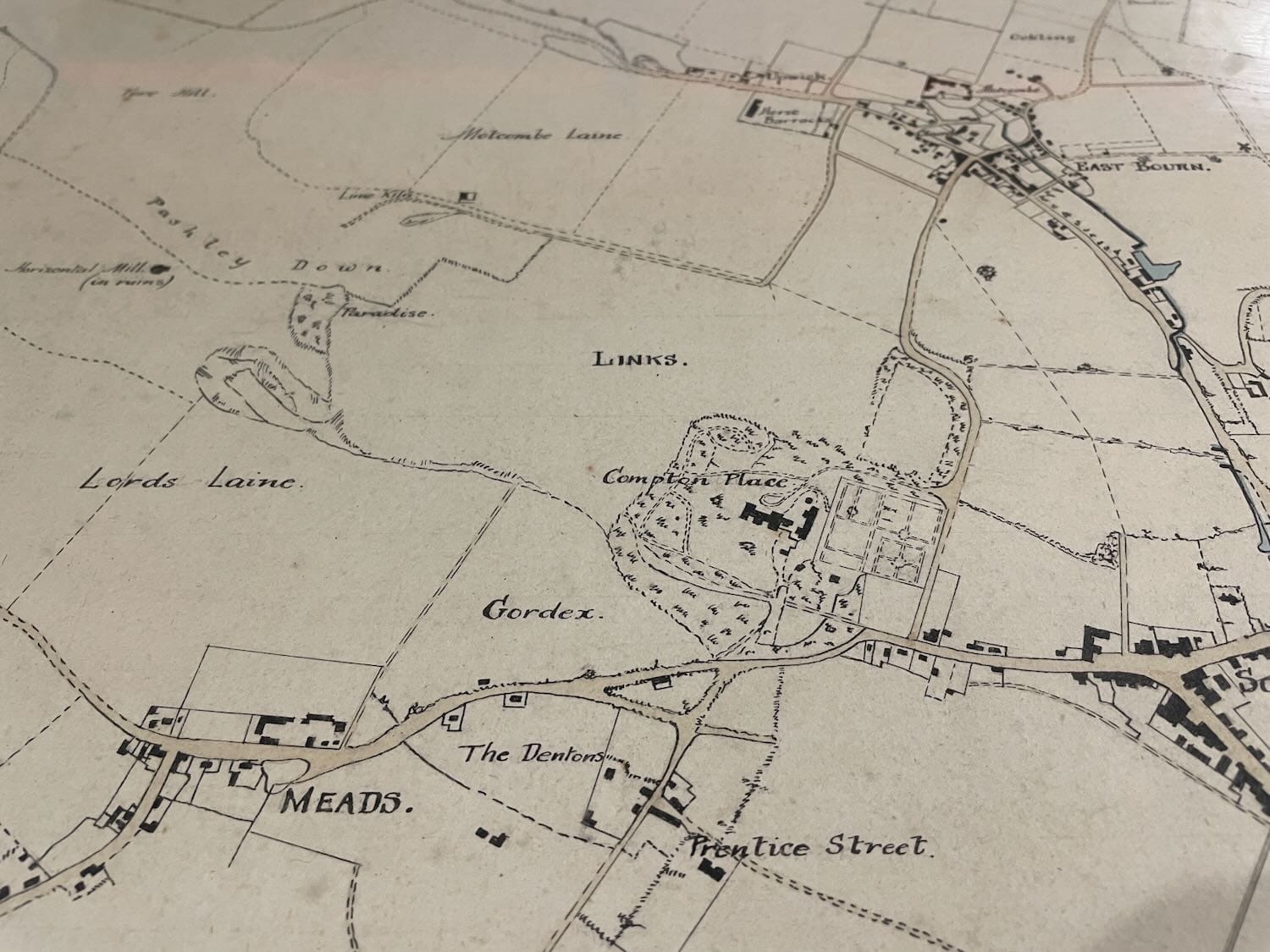
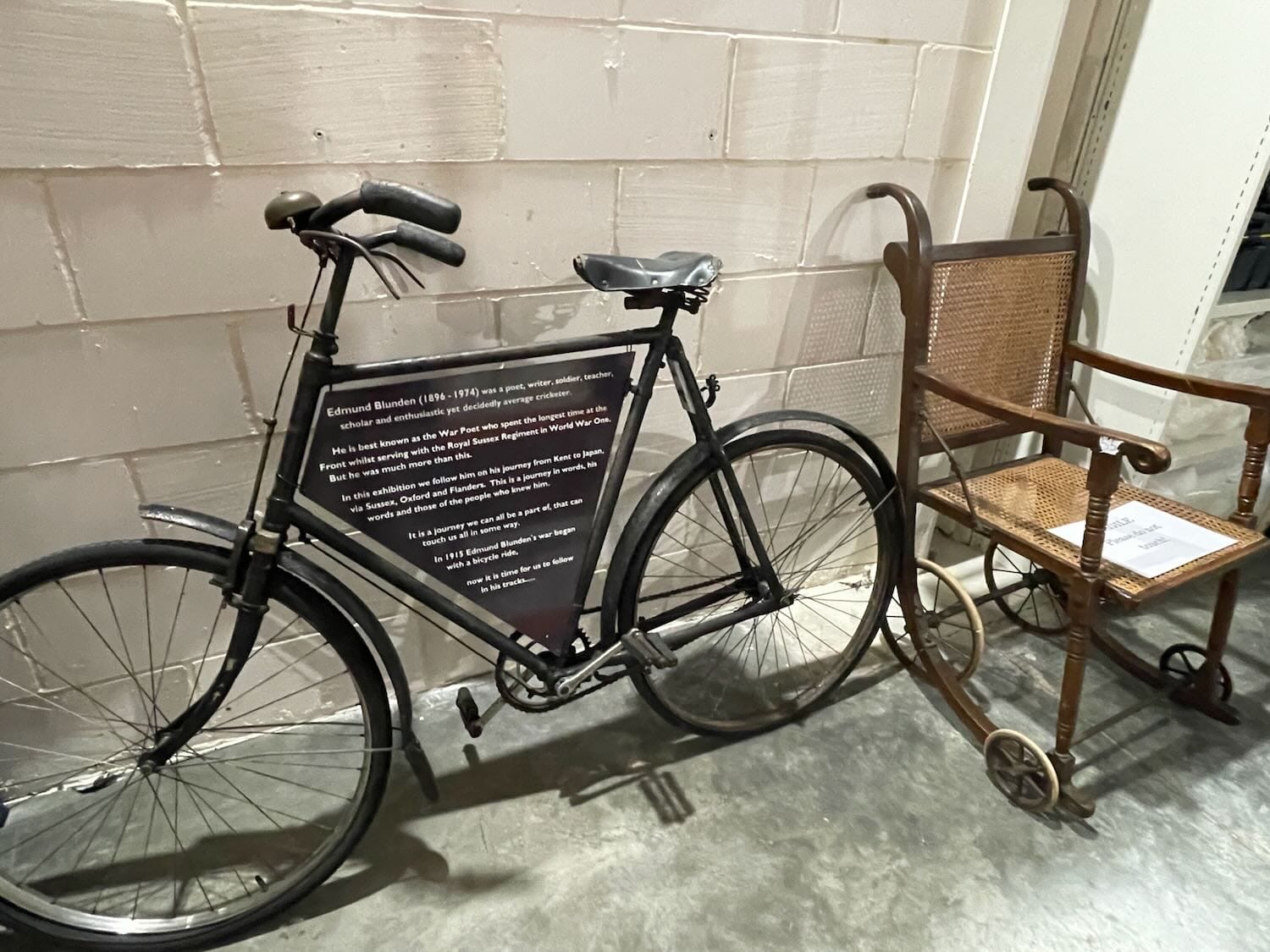
Earthenware wine flasks, a legal wig in a box, Saxon brooches, a box of fossils, hundreds of theatre programmes, a map from 1816 and army uniforms from the 19th Century are among the visible items in the store.
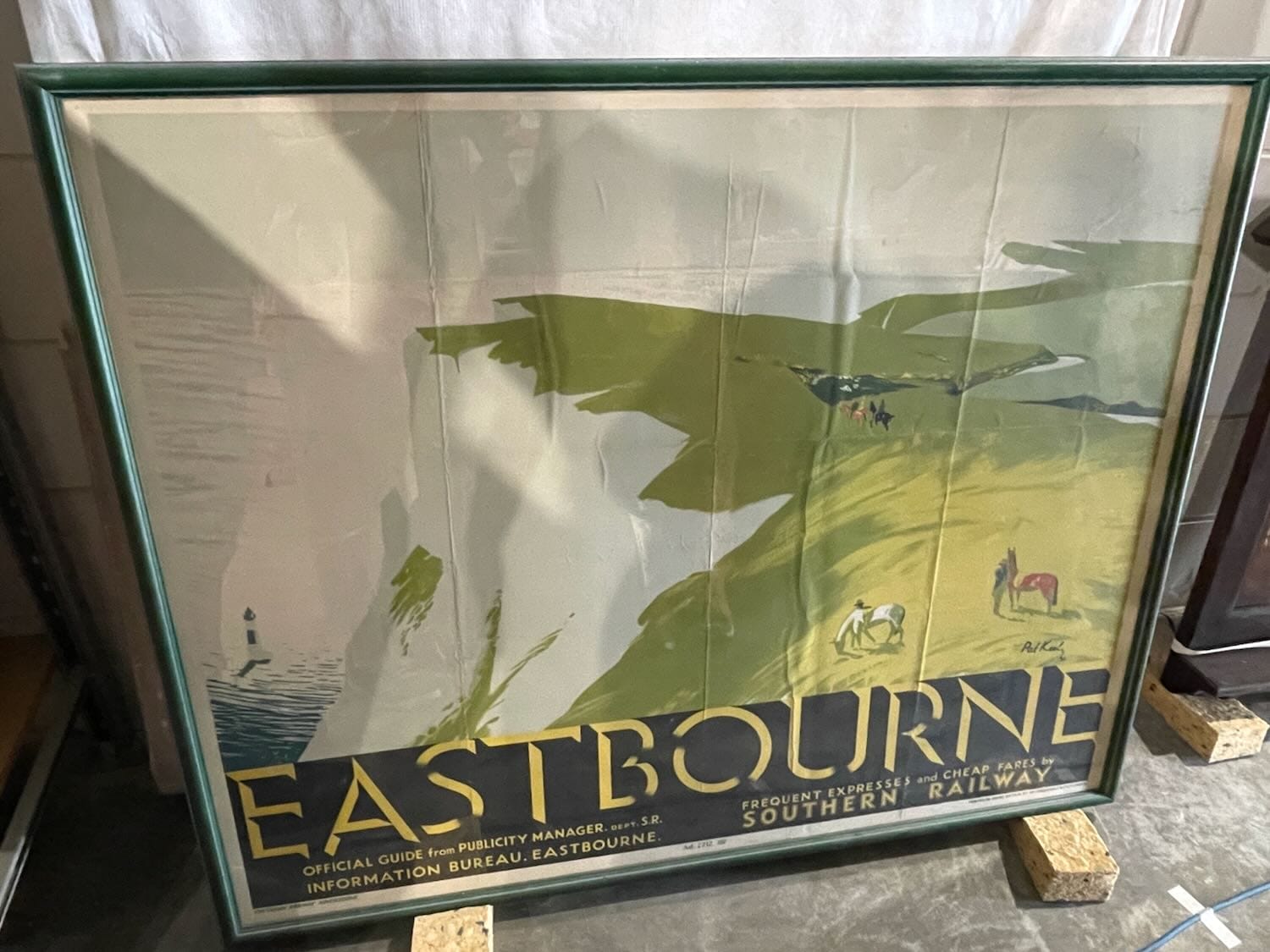
A large, framed Southern Railway poster from the 1930s caught the eye of one couple at the store's recent open day: “That’s just what we need for a space on our living room wall!”
But this treasure trove is not for sale – it is waiting for new spaces in which to be displayed.
The 25,000 items are largely stored in dozens of plastic and cardboard boxes, stacked high on utilitarian metal shelves. Some still needs to be sorted and catalogued.
This is Eastbourne Borough Council’s heritage collections, now in a dedicated storage facility, which opened to the public for the day during the recent annual Heritage Open Days event.
The store brings together artefacts from the Redoubt Napoleonic-era fortress on the seafront, the Beachy Head Story, which closed in 2024, and the basement of the Town Hall.
Items from the Heritage Centre, the Eastbourne Society’s museum which closed in April last year, are stored elsewhere.
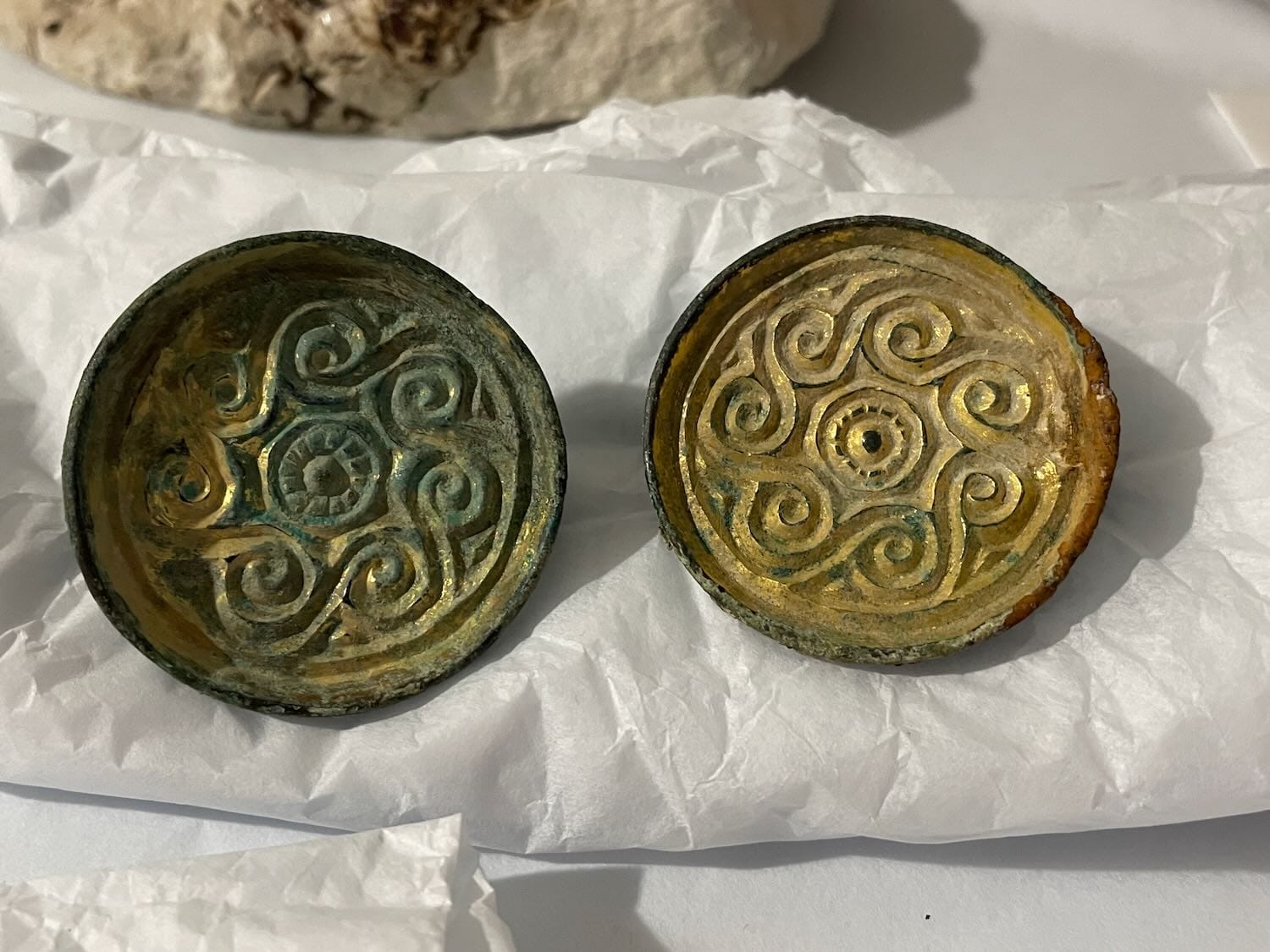
Items displayed for visitors to see included an 1816 map of Eastbourne, showing just a few tiny groups of buildings, an ornate pair of Saxon brooches and gallon brass jugs marked 'Borough of Eastbourne'.
"Opening each box is like having a Christmas present" - curator Laurie Bassam
Researchers and those interested in seeing items in the collection can make an appointment to visit the store.
Towner interim co-director Niamh Pearce welcomed visitors and gave an overview of the store and the work which has been done so far.
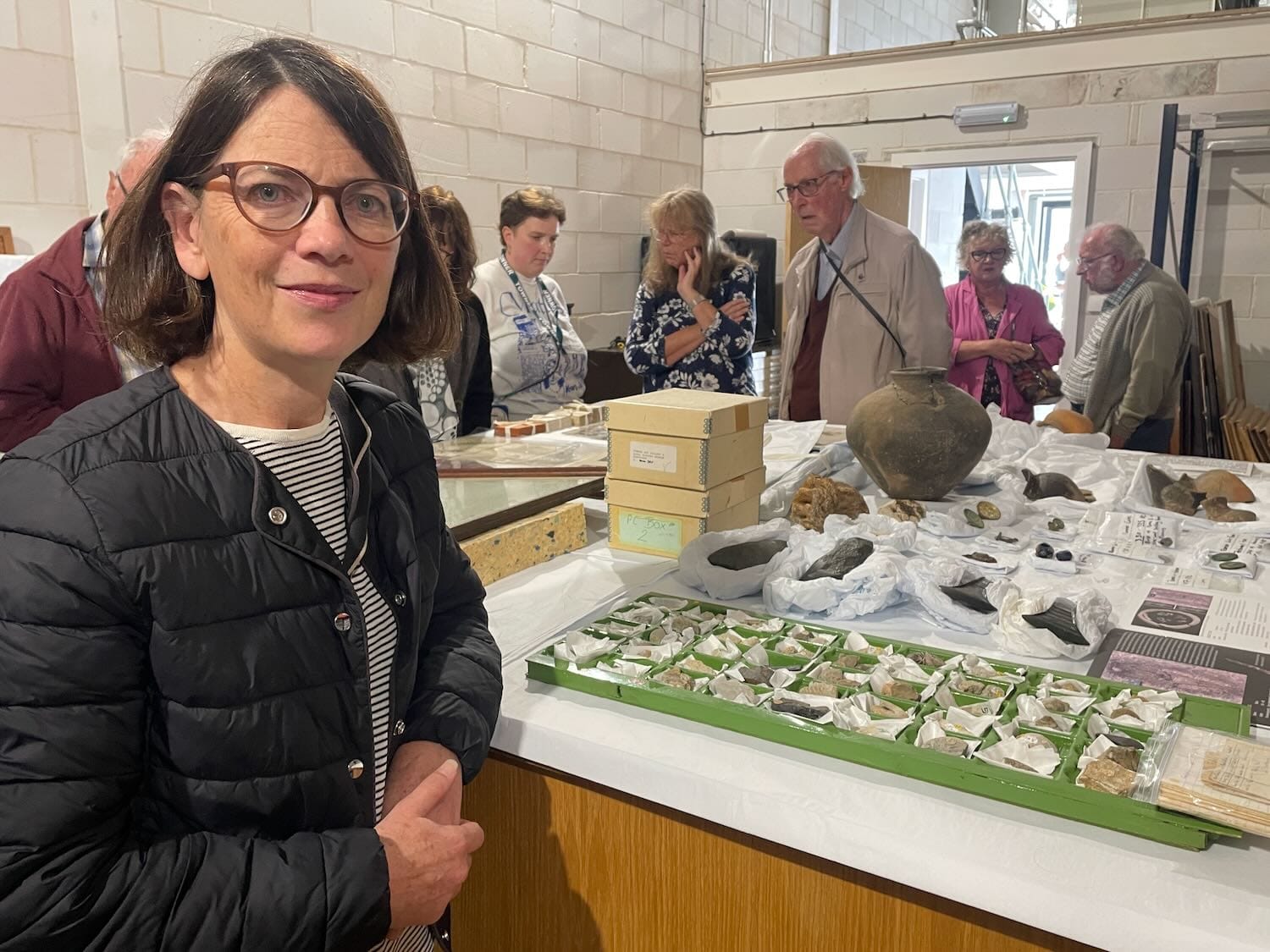
The collection broadly comprises military uniforms, archaeological artefacts, a wide range of local history items, a photographic collection and a theatres archive, including almost every programme and poster from shows in Eastbourne.
The Moira House archive is also in the store, left when the independent Eastbourne girls school merged with Roedean School near Brighton, in 2018. It does not officially form part of the collection but is stored here.
Pearce said that some of the original cardboard boxes were disintegrating so dozens of plastic boxes were bought to protect the fragile artefacts.
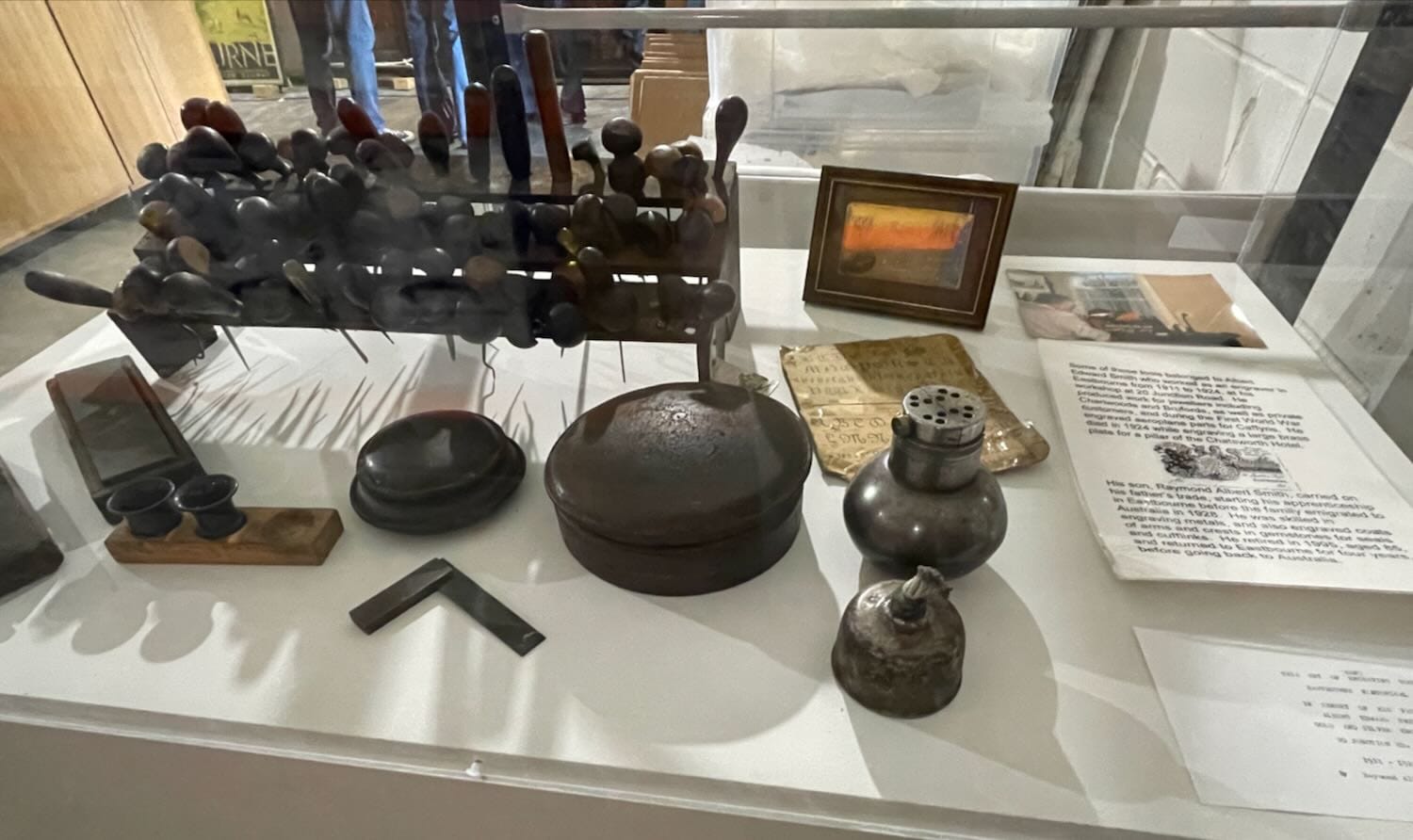
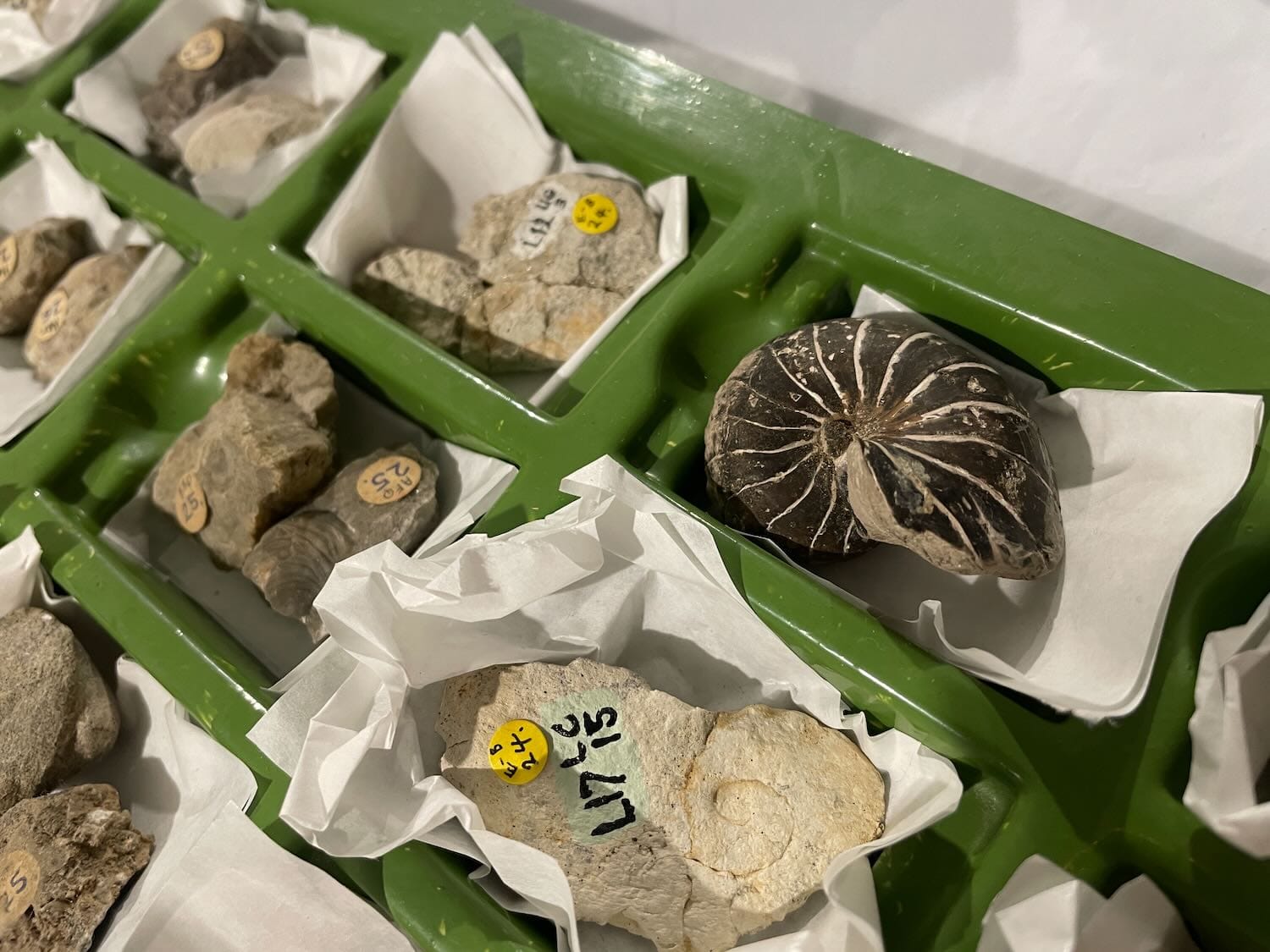
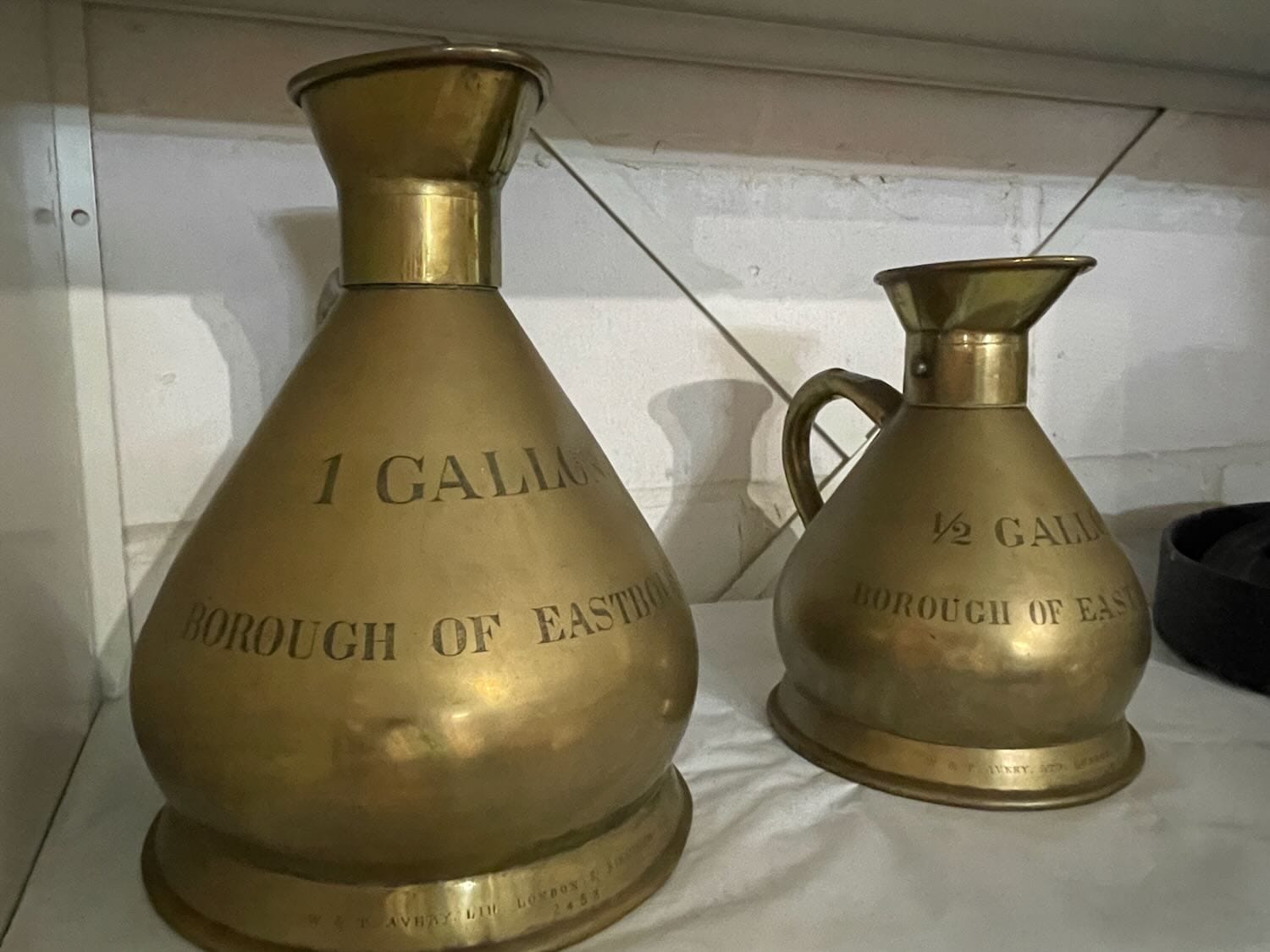
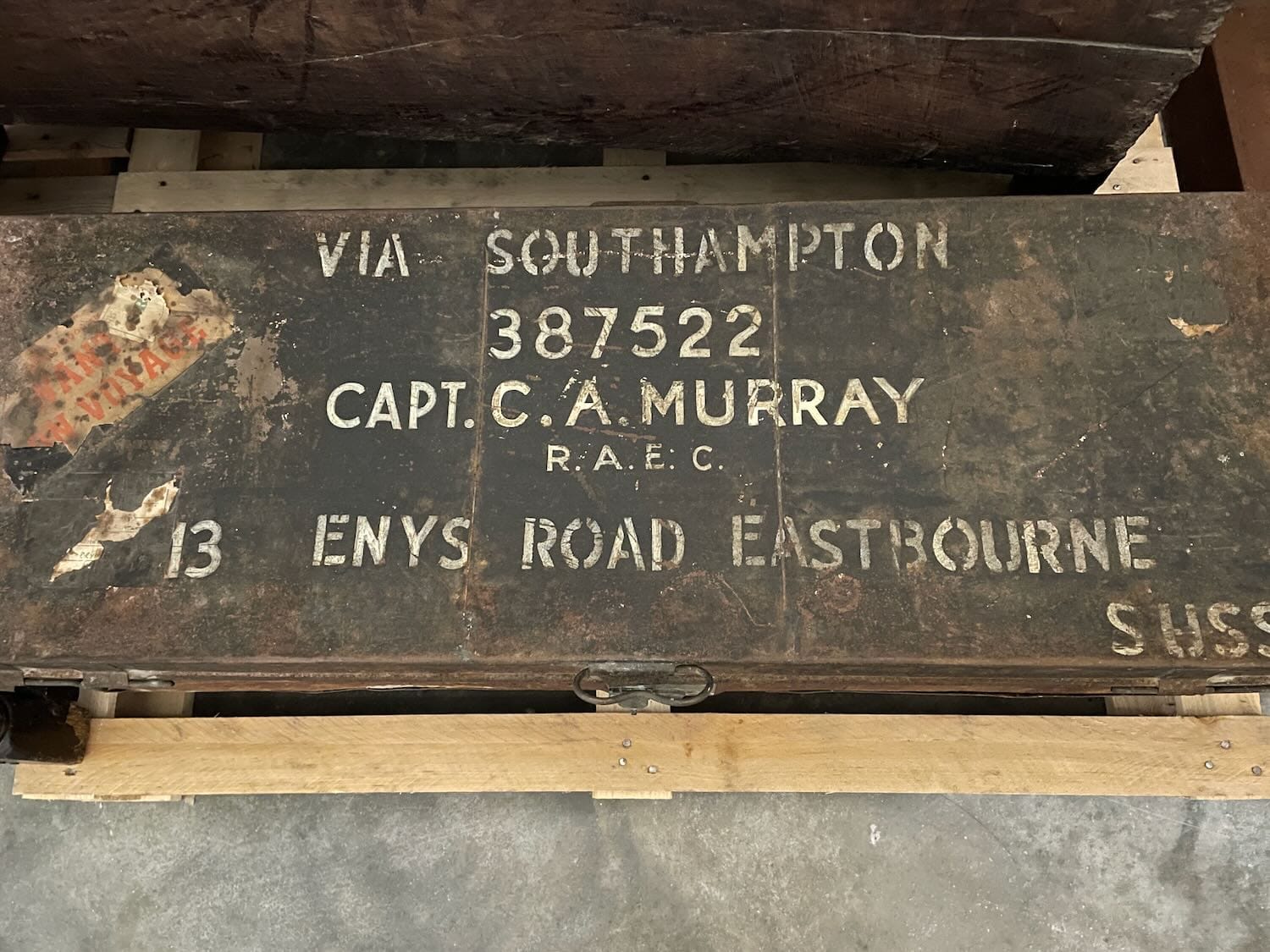
A selection of the artefacts open day visitors could see © Rebecca Maer
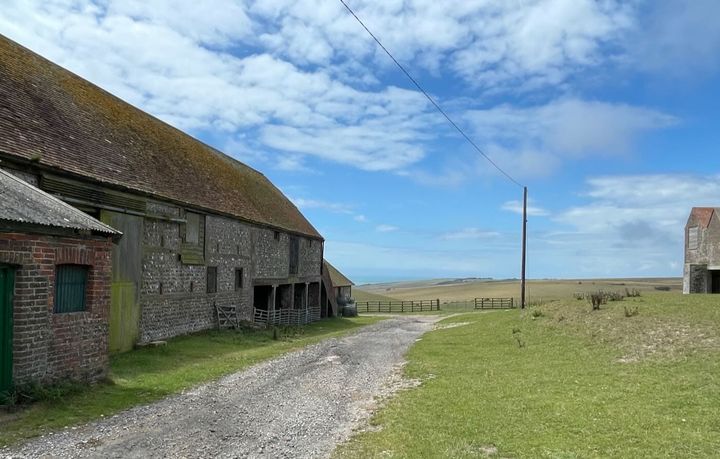
The care and management of the collection is in Towner’s hands. Some of the collection will be displayed at the heritage gallery planned for the £11.5 million arts and cultural centre near Beachy Head at Black Robin Farm, which will be called Towner Seven Sisters.
Pearce said that future museum plans could not exist without a store behind the idea, so it was a starting point for that process.
“There are a lot of big stories in the collection and smaller ones too,” she told visitors. “We have to conserve what we have here.”
She acknowledged that items like the many boxes of flint need expertise to catalogue.
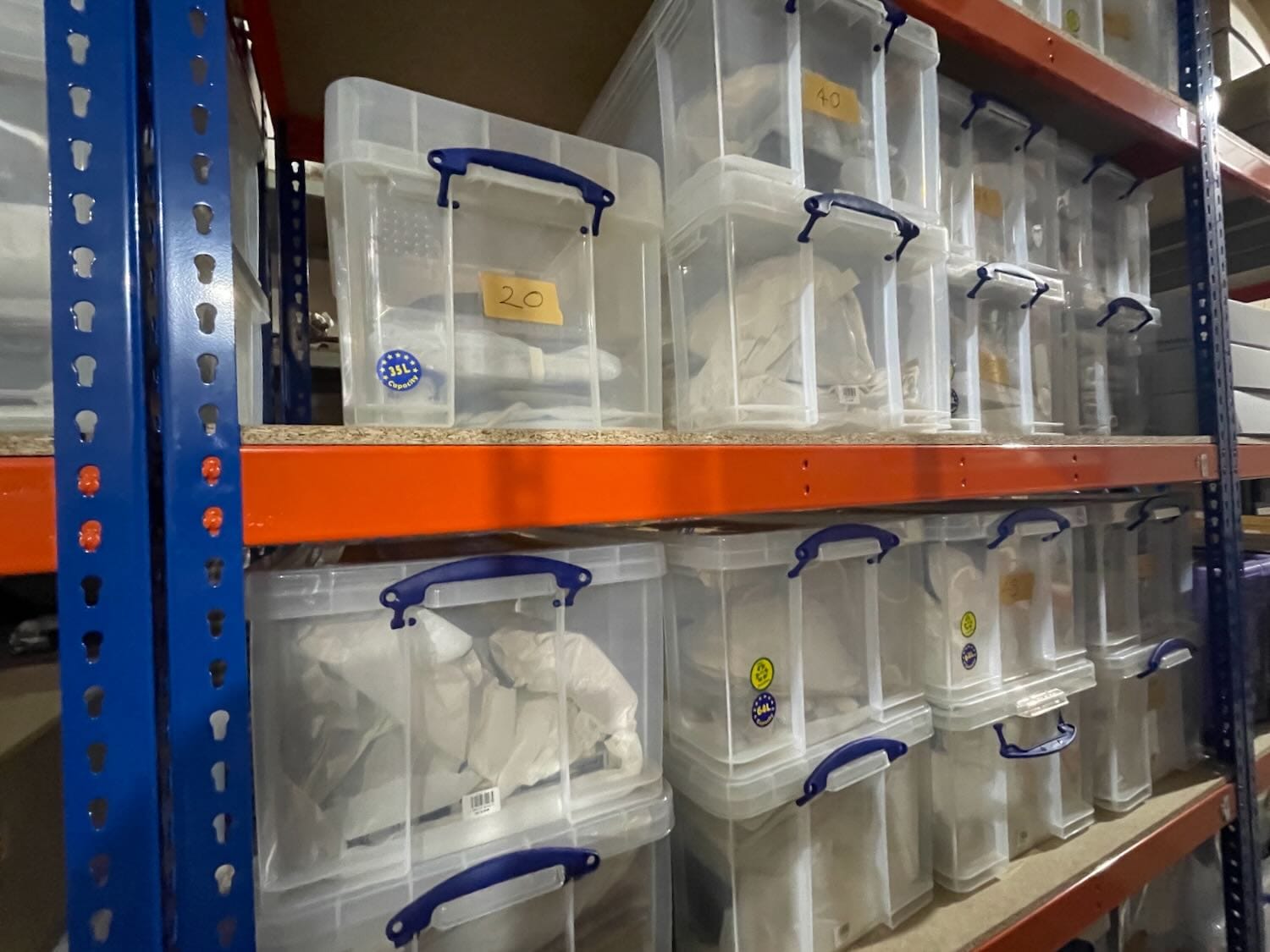
The costs so far have been about £60,000 for the shelving and storage boxes, and the lease on the unit. The shopping list included 150 new plastic boxes, 25 poster and map boxes and 25 geology boxes.
The National Lottery Heritage Fund financed ‘Project Relic’, an eight-week scheme to train eight young people in conservation techniques, bringing in experts in their field.
Student Azar Nassiri, 18, studying vehicle mechanics at East Sussex College, was one of the eight taking part.
“I liked history at GCSE and I would be interested in working in museums. It was a fantastic experience – there were professionals to give us some personal insights into conservation,” she told Eastbourne Reporter.
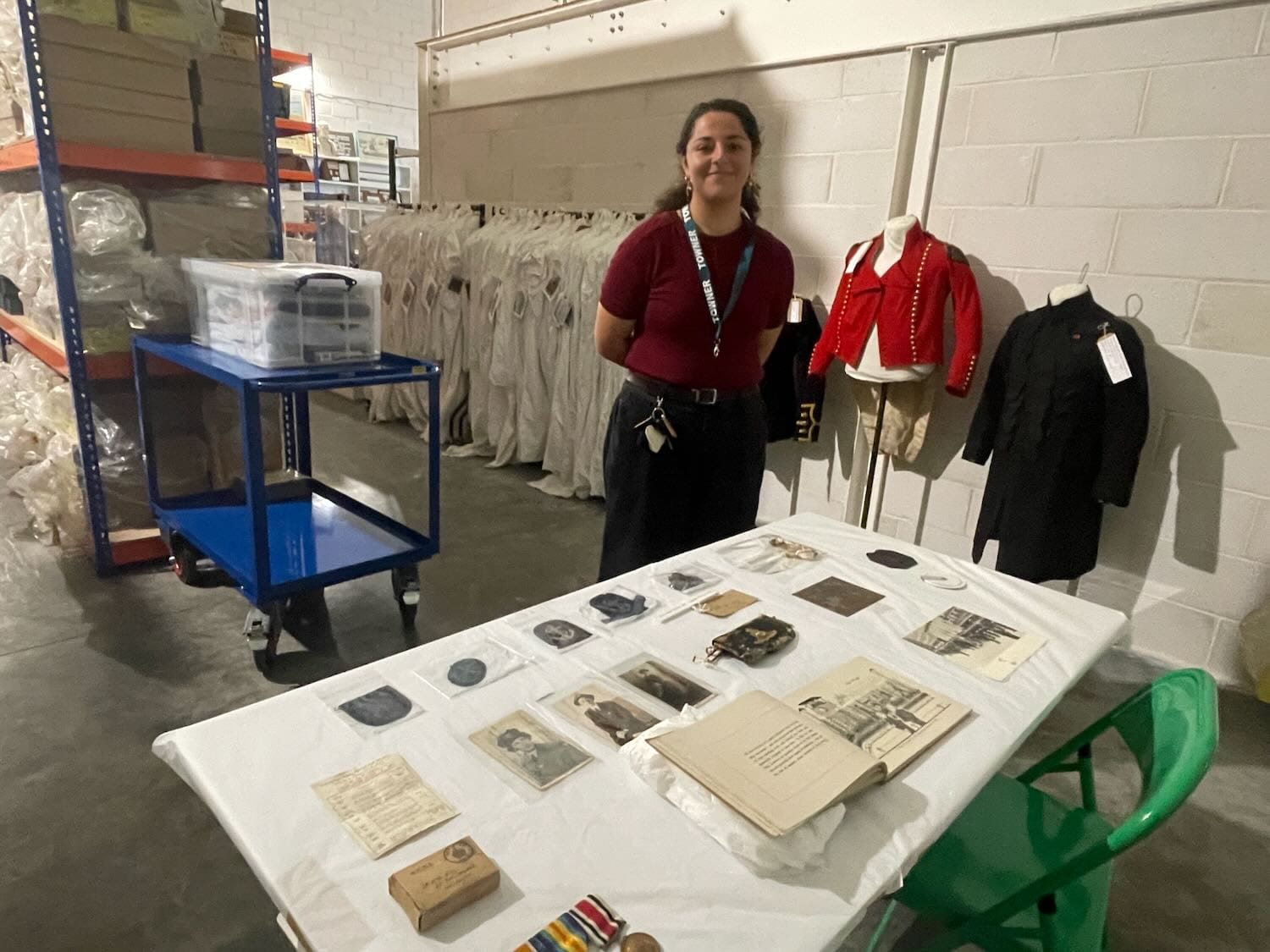
After three sessions of learning handling and documenting of items, the trainees spent the other five weeks looking in detail at boxes in which they had a personal interest.
Azar chose to look into women in the army and in different roles during wartime when they took over traditionally male jobs.
Azar chose this because she is studying mechanics: “I generally have an interest in not doing typically feminine stuff. I like to be hands-on and it’s nice to see women doing similar things in history.”
Specialist collections curator Laurie Bassam, who has a Masters in museum studies and collections, is also being funded by The National Lottery Heritage Fund.
Laurie said: “I really like a lot of the personal stories in particular and the prehistoric period: opening each box is like having a Christmas present.
“It’s a privilege and a puzzle at the same time.”
One of their favourite items is a pair of Saxon brooches, found in a 200-person burial ground which was unearthed in St Anne’s Road, Eastbourne, in the mid-1990s. It was at the time the largest Saxon burial ground discovery in the country.
Every artefact tells a story – and sends the curious researcher off to find out more.
Earthenware containers are marked ‘Spain & Albury’, which was a wine merchants at 29 Terminus Road. Sons of the family are buried at Ocklynge Cemetery.
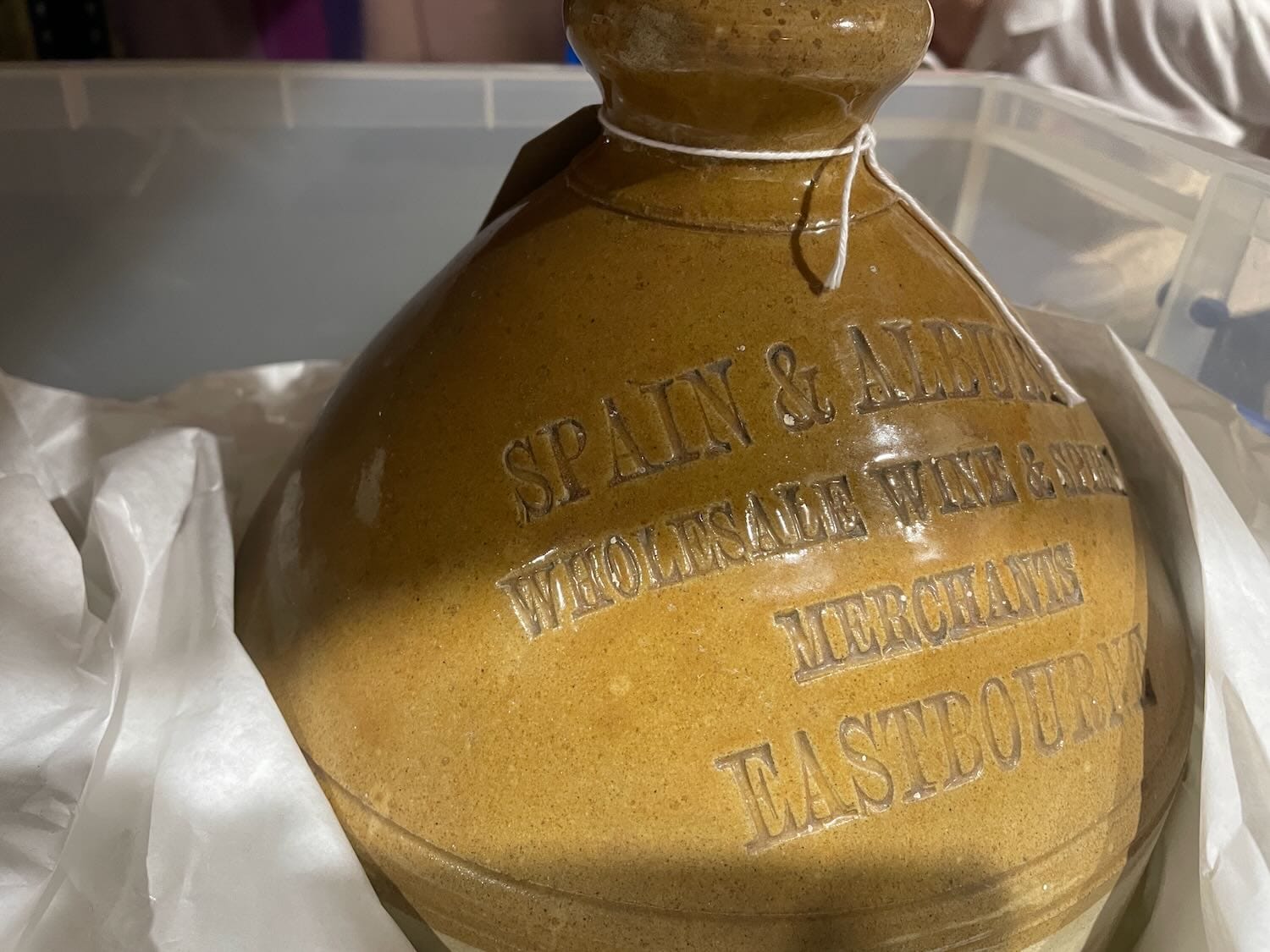
The name disappeared during World War Two after it was bought out by a firm which was in turn purchased by Thresher & Co. That name has also disappeared from the high street but still trades online.
And a large dark wood memorial to 73 men of the 490th (1st Home Counties) Field Company of the Royal Engineers’ 8th Division, listing battles such as the Somme and Ypres, is propped against the wall.
These field companies provided technical skill and know-how in support of the fighting units.
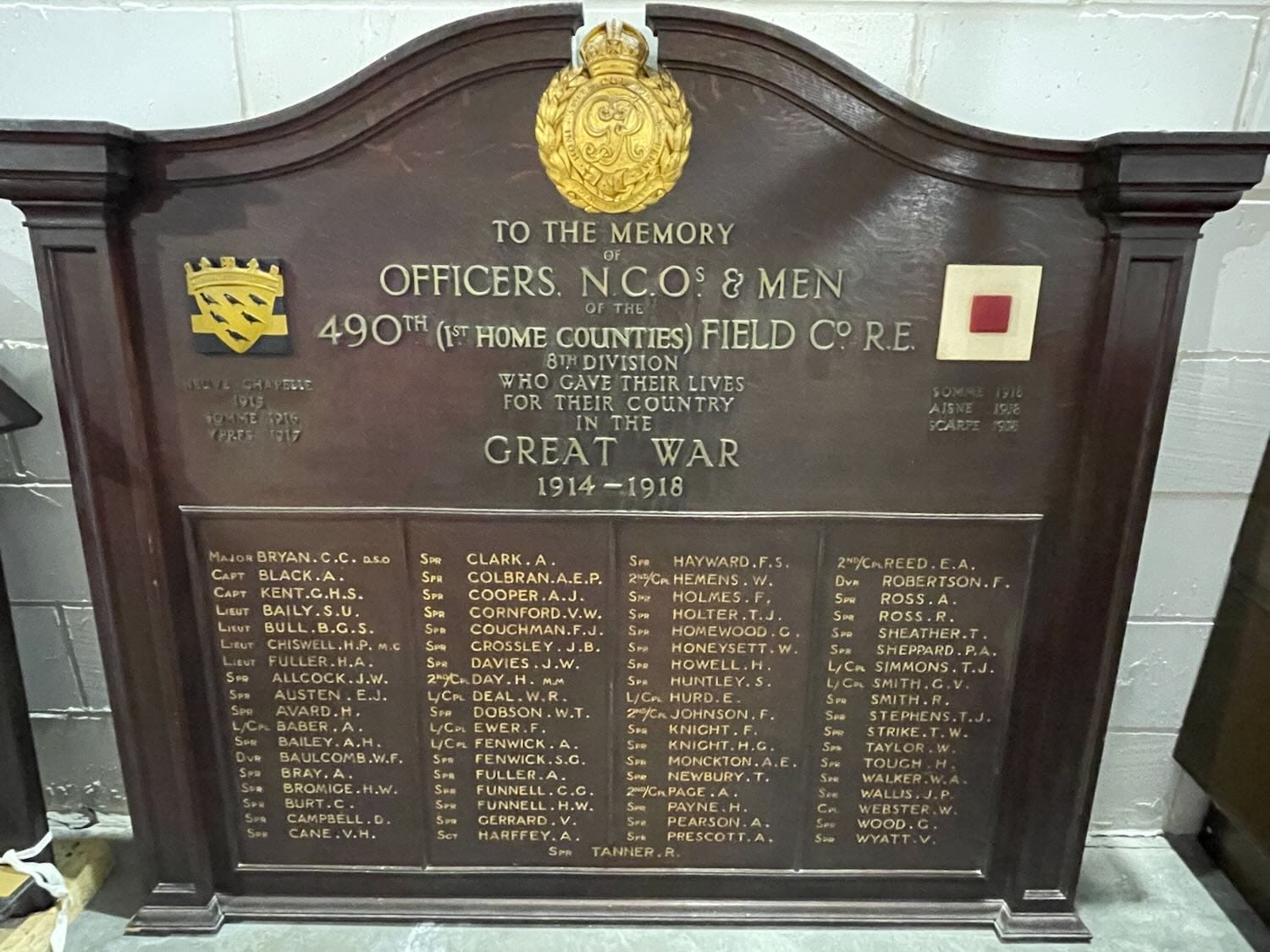
The company's headquarters was at the Ordnance Yard, Eastbourne, and the men attended church parades at All Souls Church on Susans Road during the First World War, according to the National Archives. There is a stone memorial to the 73 men in the church, according to Imperial War Museum records.
And these are just two of 25,000 stories waiting to be explored.
:: If you think this type of writing – which involves turning up and interviewing people – is better than reading PR handouts presented as ‘news’, please support us. We rely on reader backing. One-off donations are here or become a member here for the price of a coffee a month