The mystery past of a creative corner of Eastbourne
This research is part of the Discover, Celebrate, Grow programme funded by The National Lottery Heritage Fund, marking ten years of Devonshire Collective. This is the second of three features by community researchers trained by the Eastbourne Reporter to research their neighbourhood in the town centre
In this feature, old photos and fragments of history give a glimpse of the businesses which were once on the site of a modern-day artists’ hub on Seaside Road
By Zoe Yates
Something I discovered relatively quickly after moving to Eastbourne was a community eager to express itself artistically. Within the first month of becoming a resident of Seaside, I'd found a relaxed group that met weekly just to draw together. A simple concept, and over time I met more and more people with a yearning for community and a space to create.
That desire isn't exclusive to Eastbourne, either. Across the country as we recover from the long-term isolation of the Covid pandemic or see the rise in small local businesses struggling to keep their doors open, people want positivity, they want strong bonds.
I grew up in Kent and, while the Garden of England had lovely areas of scenery, my hometown lacked enthusiasm in bringing people together or championing the arts. Perhaps that's why I wanted places to go where I could meet like-minded creatives, where the stakes were low, and there wasn't any judgement about what you were doing.
I want to shine a light on somewhere that encourages community positivity and show the importance of having creator spaces for novices and experts alike. I have chosen to focus on Eastbourne Studio Pottery, which hosts around 130 students a week in creative sessions.
Why? Well, I often walk through Seaside Road to visit the Beacon shopping centre. When I first moved here, I remember seeing a wide building on the corner of the road, divided into layers, aesthetically almost like a tub of Neapolitan ice cream. A large chunk was cream, reserved and residential, but it was the bottom half that caught my eye. When I read the word ‘pottery’ on one of the windows, I was intrigued. When considering what I wanted to write about, the studio felt perfect.
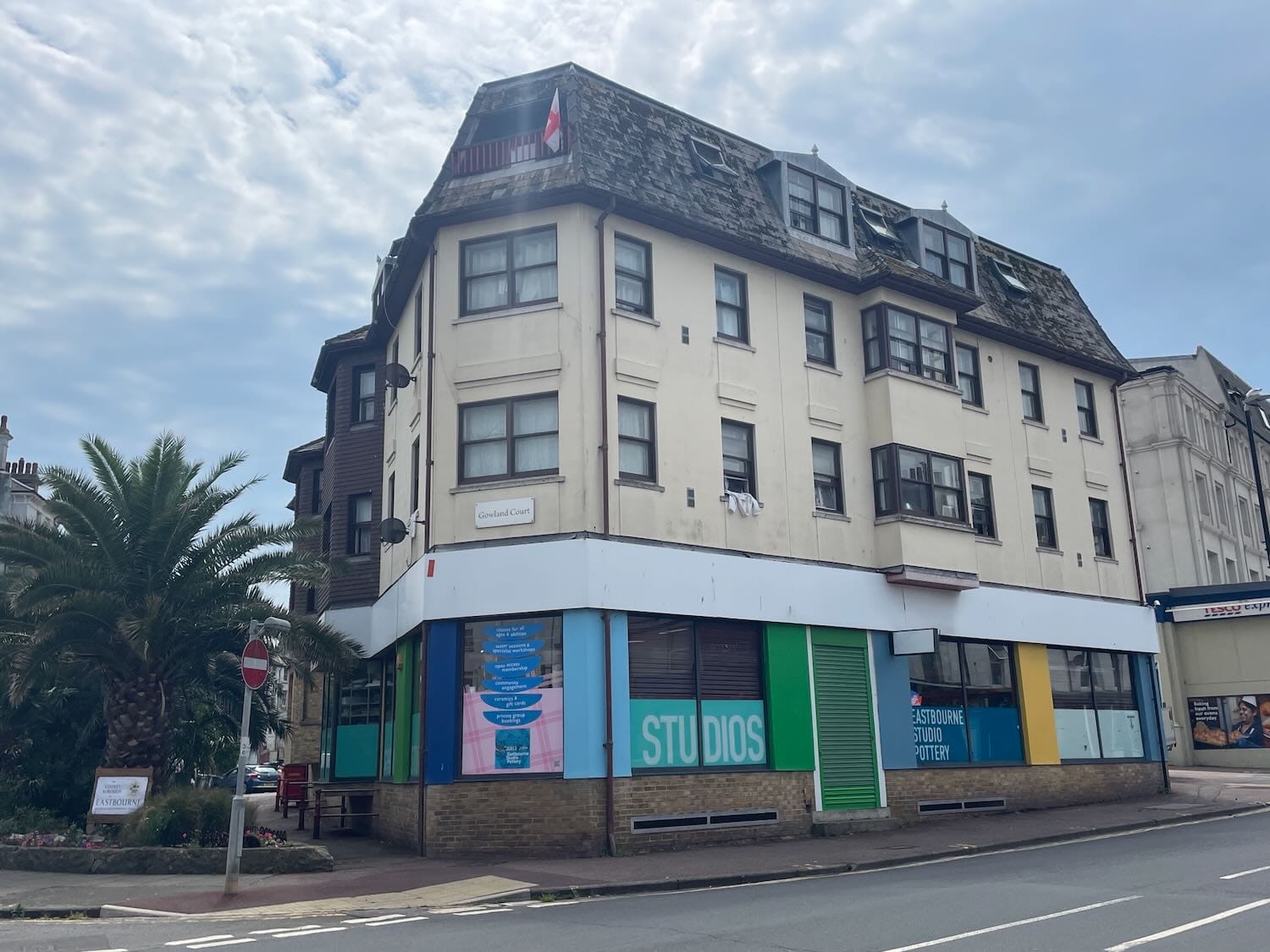
The journey of researching the history of the site at 137-139 Seaside Road was rather perplexing, to say the least. I’ve searched to try and pinpoint what it used to be, but details are unclear, with differing testimonies depending where you look. What there is comes mainly from word of mouth, or from a one-off article or photo with nothing to back it up.
The current building – Gowland Court – comprises flats and the studio, and dates from around 1988 when planning permission was granted to demolish the previous building.
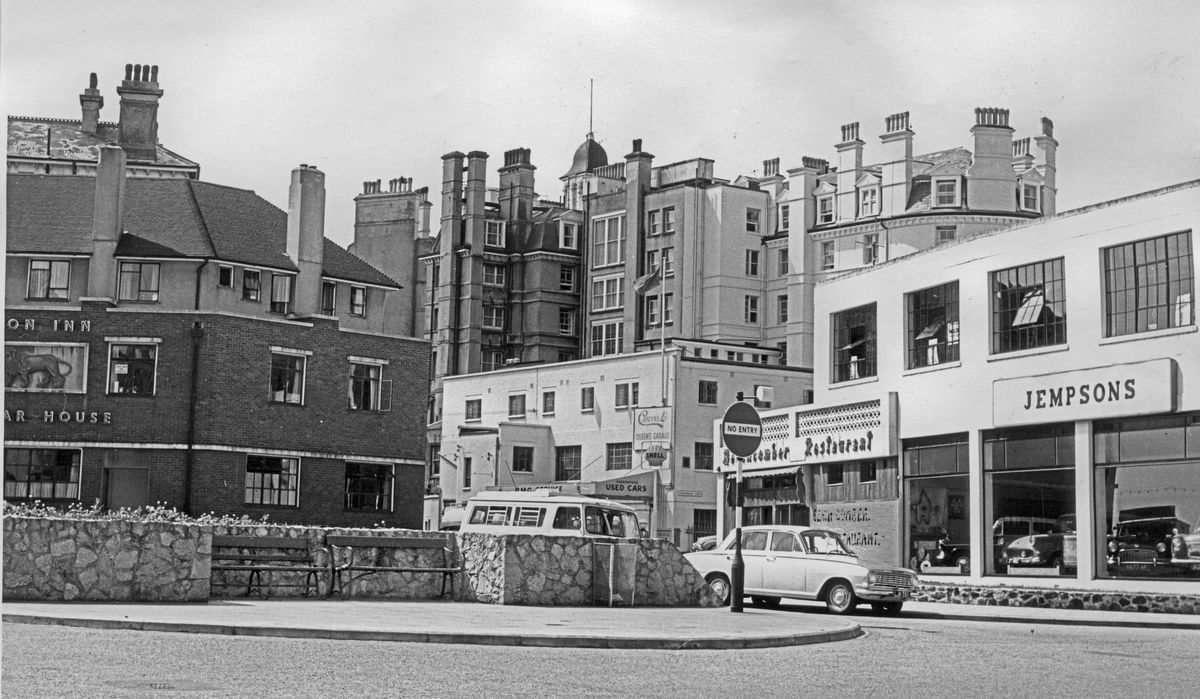
Before that, the older building seems to have changed hands many times, hosting a D Hollands & Sons furnishing store around the 1950s, becoming a car dealership a decade later, then eventually being turned into a bingo hall. Old photos show a curved façade and large windows.
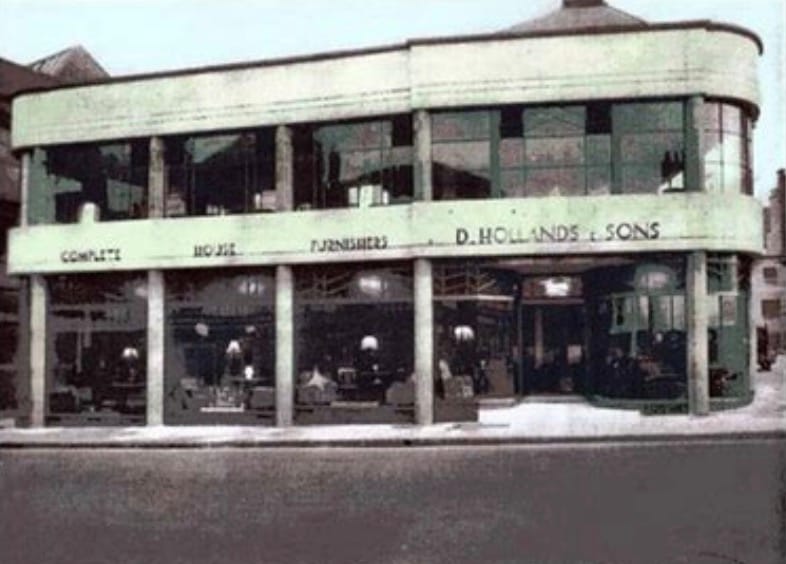
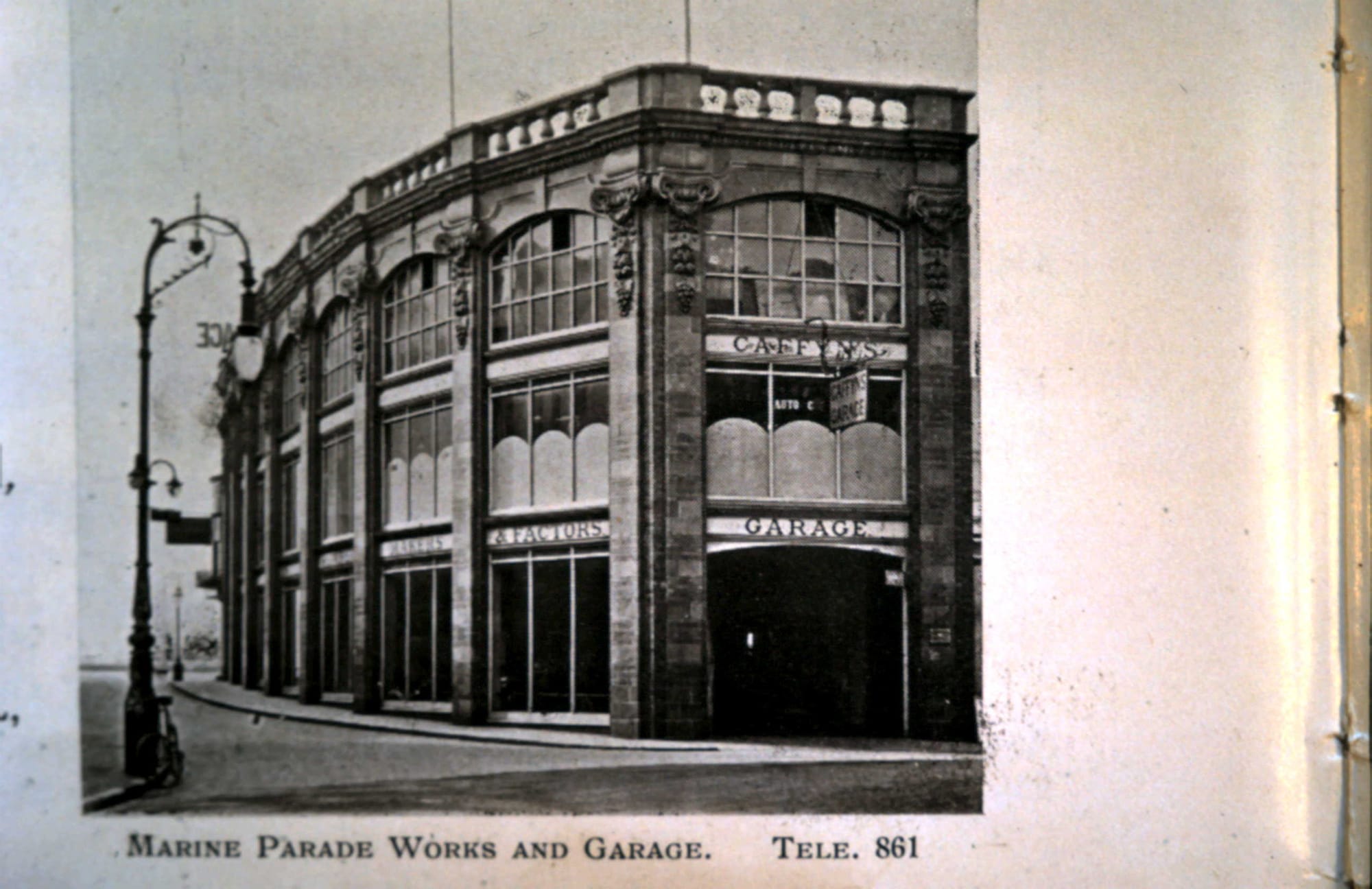
Help from the Eastbourne Local History Society revealed that looking at three street directories gave different results. They found that in 1939 there seemed to be a different road numbering system: then, the number on Seaside Road for this site was 105, which was motoring business Caffyns. By 1955, it was D Hollands & Sons house furnishers, and in 1965 it was Jempsons Cars before becoming Eastbourne Motors in 1970.
The site’s past fascinated me and made me reflect on how easy it is to lose our history. There was some evidence about the site in a handful of black and white photos.
I found that around 1997, the downstairs space was a Cash Converters, as evidenced from Eastbourne Gazette archives (Wednesday 26 February 1997). Cash Converters is a well-known global retailer and financial services company that allows people to buy and sell second-hand goods.
Then in 2016, Devonshire Collective took on three sites to convert, following a plan they had from 2012 to create “a café space, employment/training space, printworks and workshop/art space”.
In 2016, the Seaside Road building was originally known as Devonshire Collective (DC1). The original purpose was to create five artists’ studios and two print room/maker spaces and window displays. The intent was to give artists somewhere to rent for studios, printmaking spaces and creative workshops.
I spoke to one artist who had rented space with a friend and, while they both loved having a space to work from which encouraged their creativity, the rent was too high to continue. It’s an unfortunate outcome to which many who pursue the arts can relate.
Originally, the pottery studio was just one of the groups using the space. As the other artists moved on, rooms became available and Eastbourne Studio Pottery took the opportunity to expand into the whole space. They've invested in more equipment and expert technical support which, in turn, has allowed them to offer many different classes, led by experienced teachers and ceramics artists with a real passion for their work.
About Eastbourne Studio Pottery
I spoke to Claire Shoosmith, the director of Eastbourne Studio Pottery, as she showed me around the building. We talked about the process of ceramics making, the goals and ethics behind the company and how it’s impacted Seaside.
Eastbourne Studio Pottery is a Community Interest Company (CIC) which means it can receive funding and reinvests any profits. It has run classes, workshops, drop-in sessions and arts events since 2017.
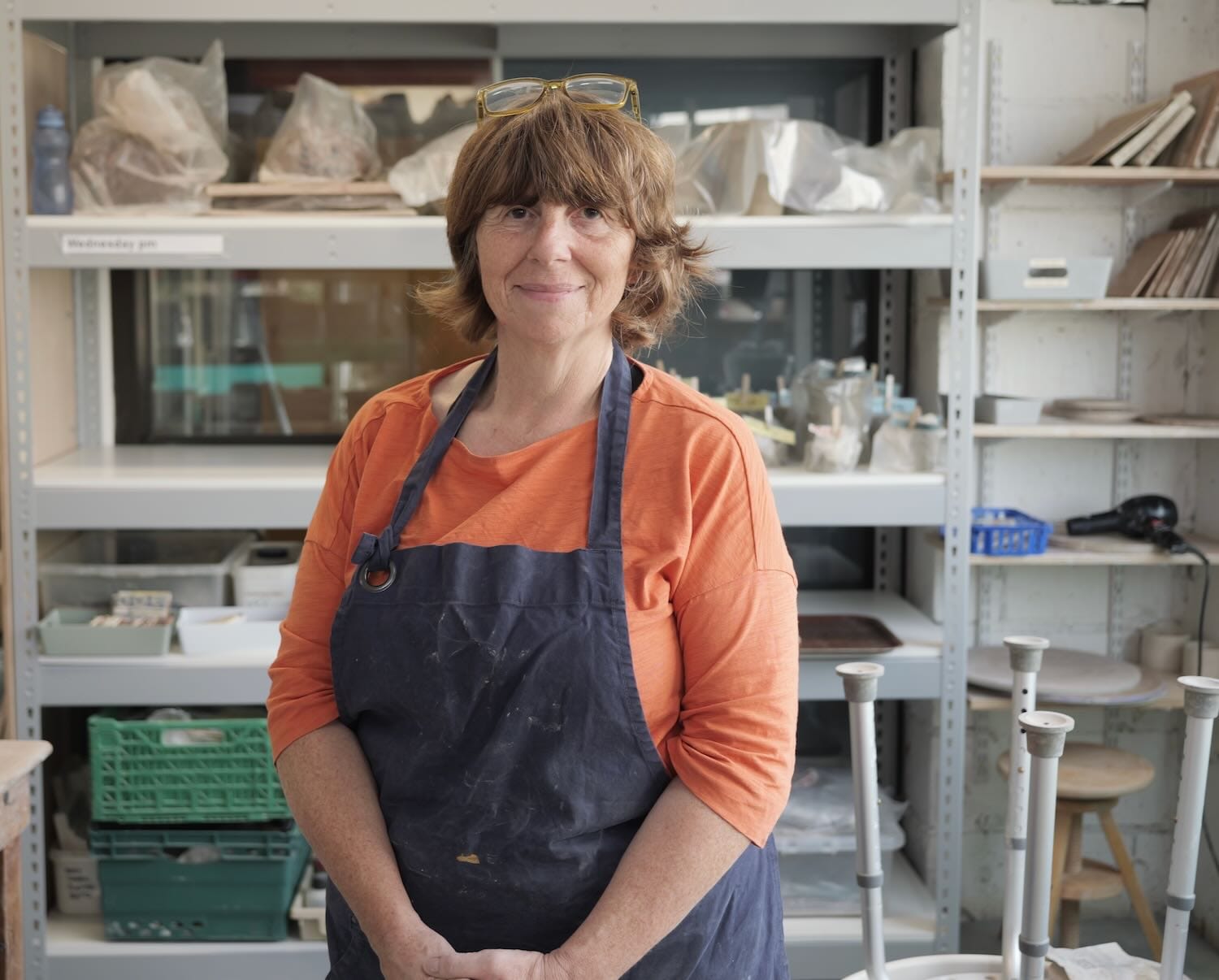
Claire said: “We have been really lucky to find a fully accessible space in the heart of town. As an ex-retail site, the studios are flooded with light. As our customer base has grown we have been able to take on more vacant studios and now occupy the entire ground floor. Being the sole tenant gives us the flexibility to adapt the space to suit our business.
“We have on average 130 students, open-access members and community participants visiting the studio every week to study and create.
“We promote making in clay as a therapeutic, social and creative experience where individuals and groups benefit through improved wellbeing, artistic achievement and a potential route into new career pathways.”
In 2023 and 2024, the pottery was part of Eastbourne Alive, an ambitious community collaboration run as part of the Turner Prize, hosted at Towner Eastbourne during that time.
The pottery ran the Let’s Create Together project, hosting 35 free workshops in which more than 500 people from 70 socially-engaged local organisations decorated plates. The project was funded by an Arts Council England National Lottery Project Grant and culminated in an exhibition at Towner.
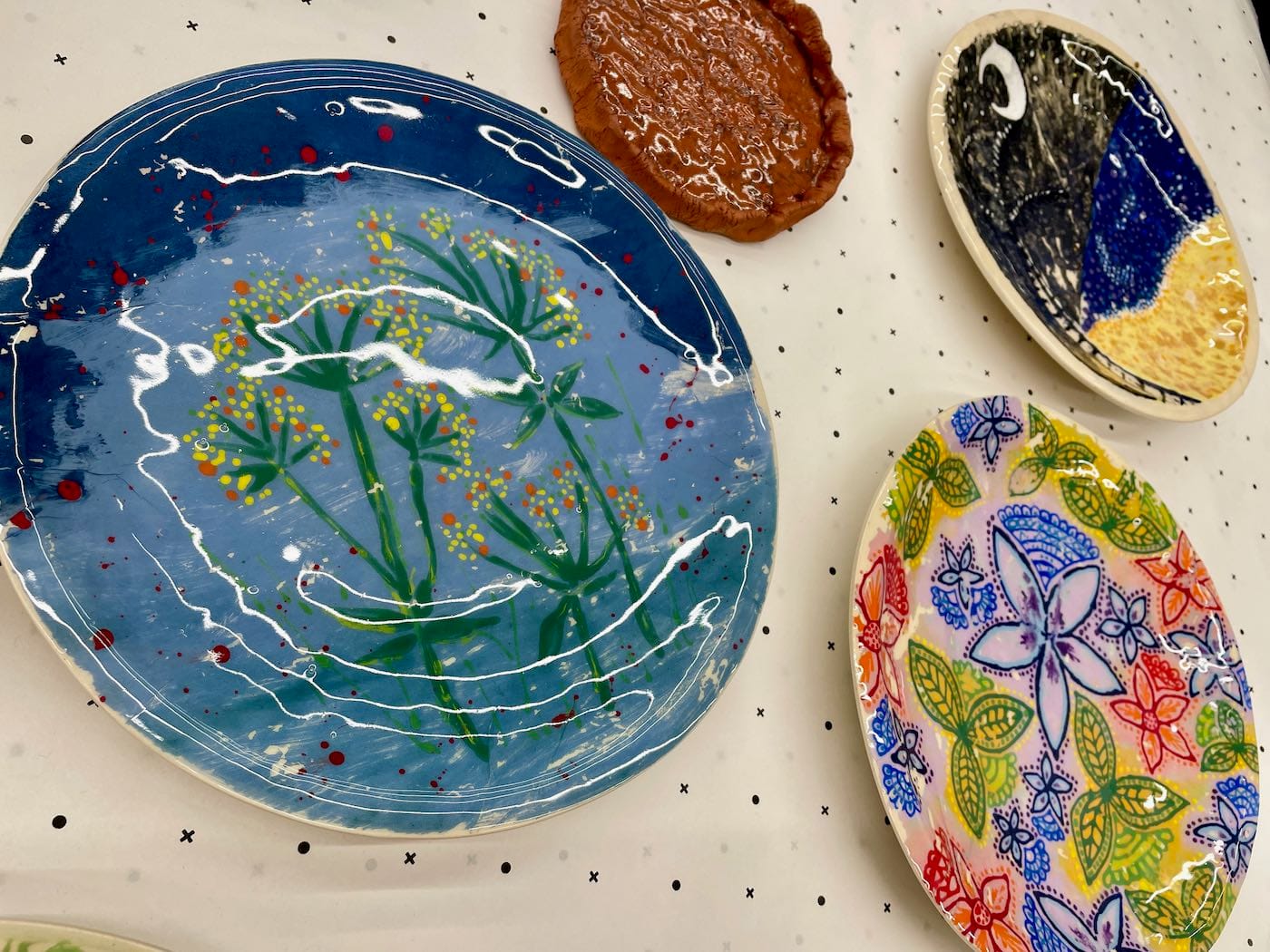
The pottery team has also been involved in festivals such as Elderflower Fields and Into the Trees, organised by So Sussex, and Living History events at Michelham Priory for Sussex Past. They've also run workshops for local schools, galleries and museums including Towner Eastbourne and Hastings Contemporary.
The future’s bright
Having access to creative spaces can be such a wonderful experience and have a huge impact on people’s lives. For me, knowing these classes are available inspires me to be more creative day to day and makes me want to experiment with art.
Pursuing creativity can feel isolating, as you might be left to do everything on your own and find your own network and space. Having a place within the town that is visible and welcoming and gets involved in the community makes it more enticing and gives me and other artists the knowledge they can pursue their goals.
Coming away from this project, I'm grateful that Eastbourne is such a creative town that wants to encourage residents to explore. I hope more buildings can be repurposed for artists and creatives to build a network and thrive in their projects, to come together and foster a warmth that can get lost all too easily.
:: The Discover, Celebrate, Grow exhibition runs from 10 October 2026 to 10 February 2027 at Volt, 67–69 Seaside Road, Eastbourne. It reflects a year of digging into the history of the Devonshire Ward with the people who live there, from storytelling walks and community research to filmmaking with foraged materials. Admission free