REVIEW: Walter Sickert / Working Notes
"A proper view of reality"*
By Alison Norwood, volunteer arts reviewer
By definition, it’s easy to ignore the everyday.
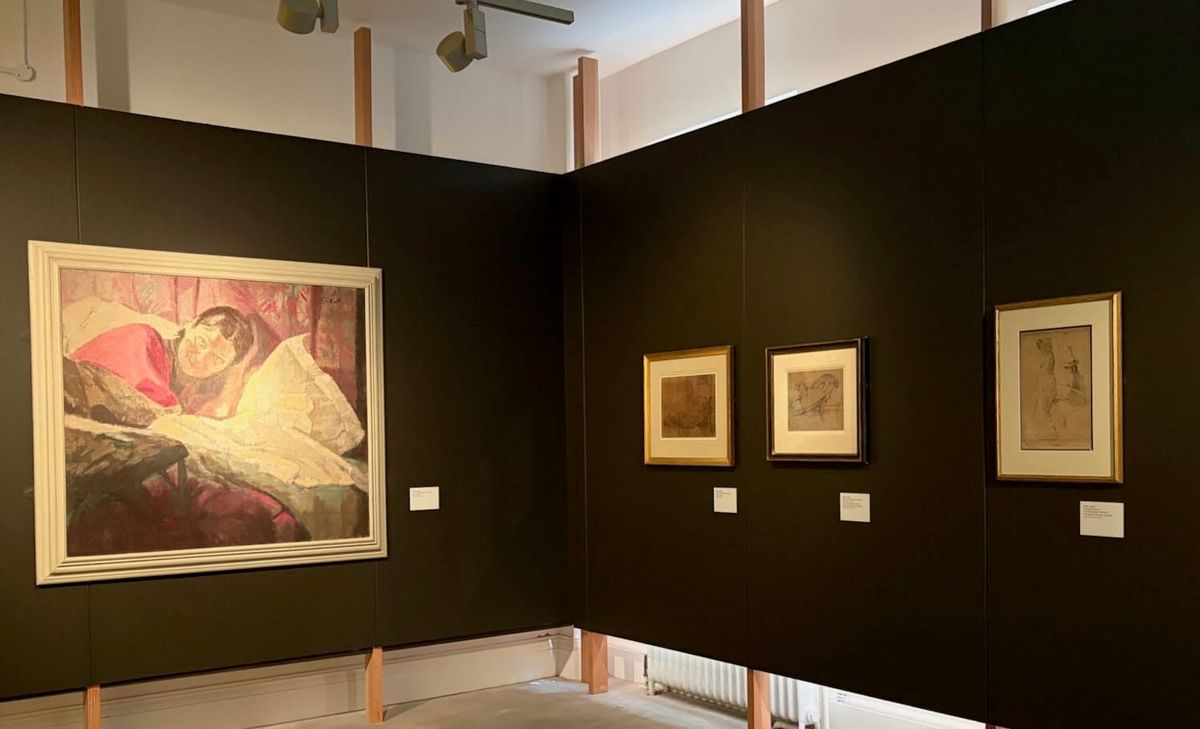
But this exhibition at Charleston Lewes reminds us why it’s important to capture and report ordinary life. Specific things like clothes and interiors change with trends, while underneath human beings stay essentially the same – the excited audience in the cheap seats at a music hall, the bored expression of a young lad. Such glimpses of life are illustrated in these paintings and works on paper in Walter Sickert: Working Notes.
Walter Sickert (1860 – 1942) worked – in London and Europe – at a time when photography was emerging yet not widely used. Unlike our social media-drenched era, it was not common to find urban working life interesting enough for art.
Sickert’s paintings show real life in colour, while the photography of the day is black and white. With similar photographic crops, his compositions are sometimes ‘squared off’ from a grid of an original image, and all these elements draw us in to the subject more closely.
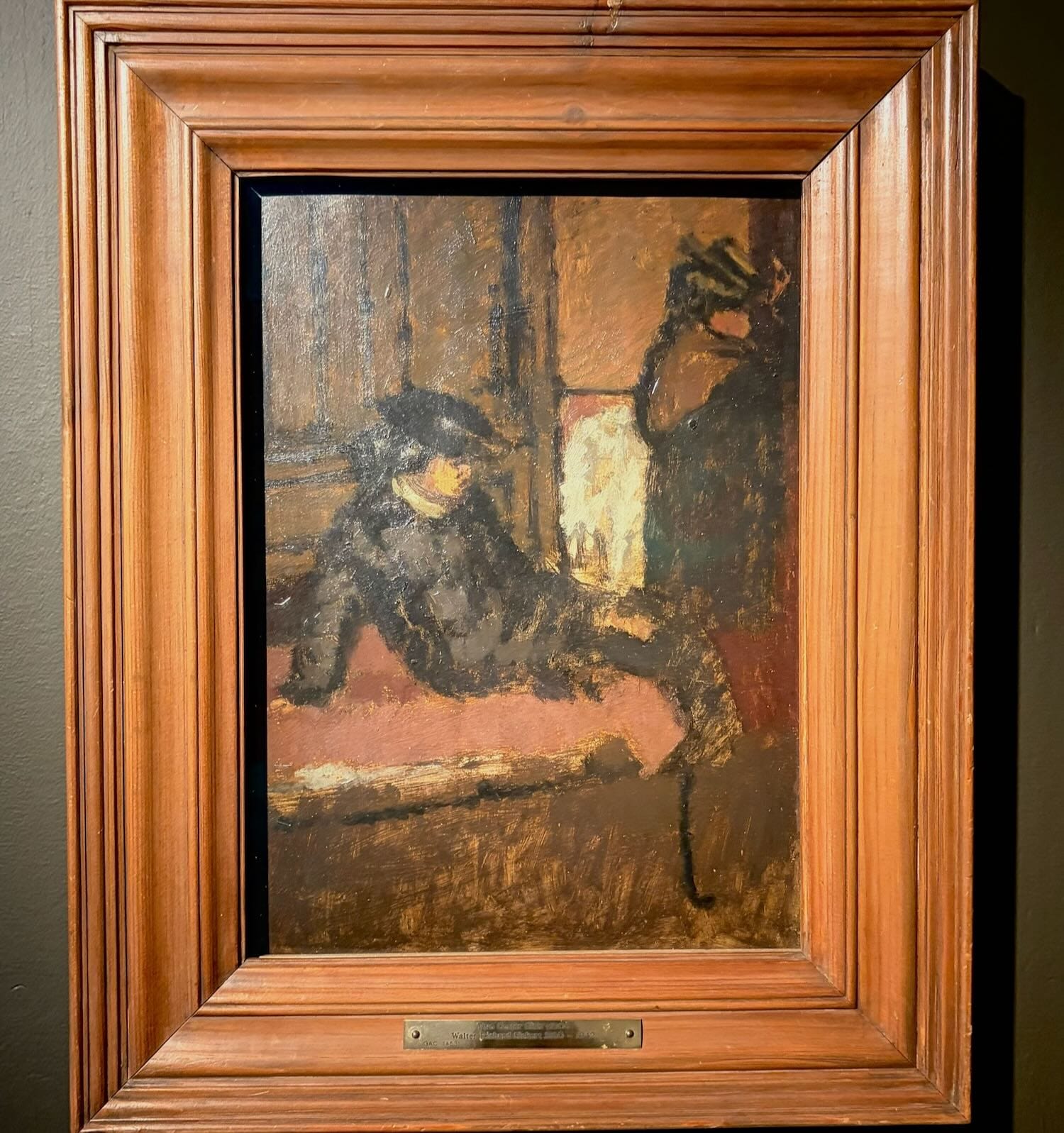
Often the real colour of the works is typical Edwardian muddy brown, as in Two Coster Girls (1908). Or it might be much more vibrant, like the magical twilight view of Venice in A Red Sky at Night (1896).
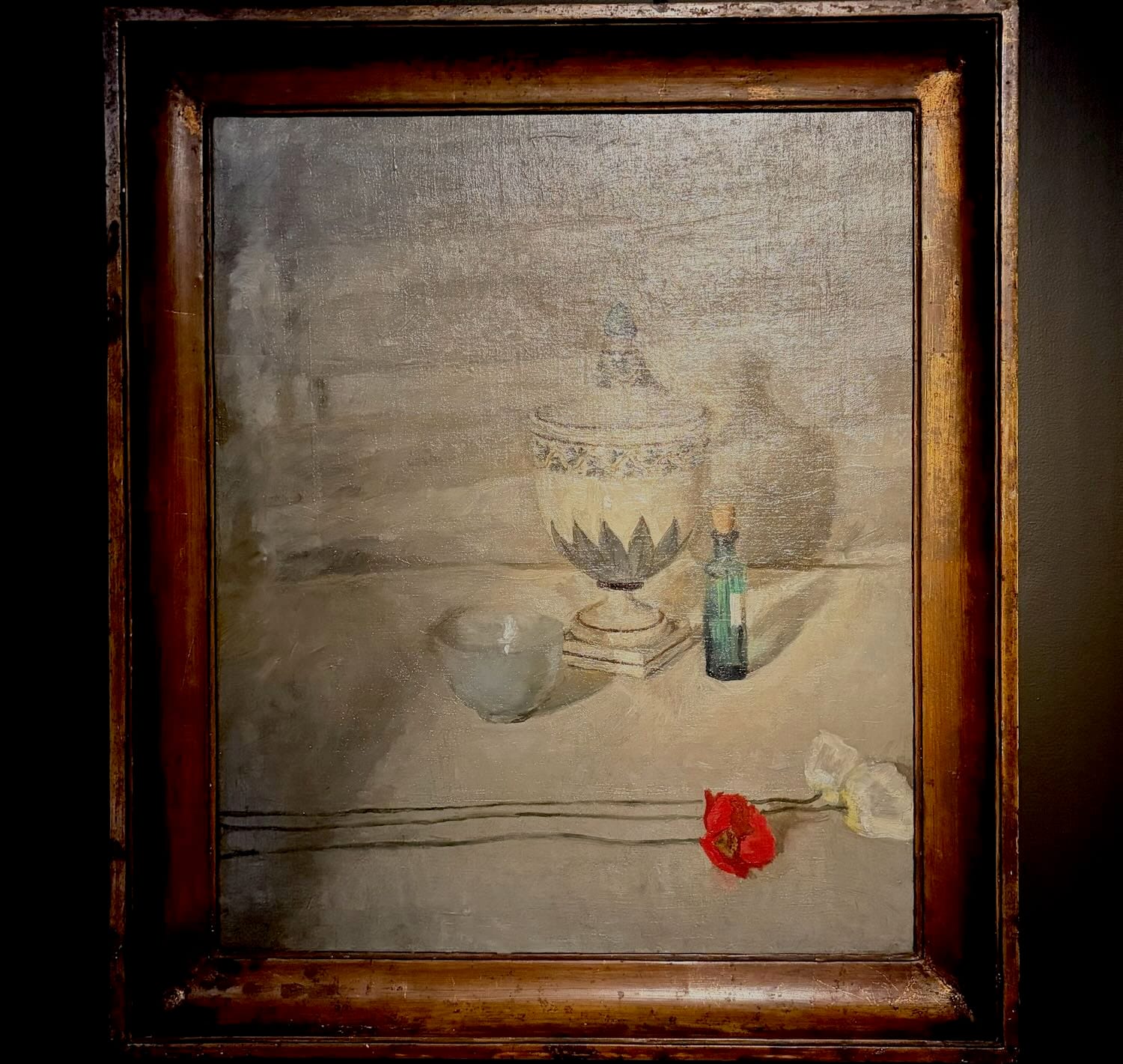
Other artists are included in this exhibition too, with Vanessa Bell’s Iceland Poppies (1908 – 09) a clear stand-out, as if someone has put the light on in the room, creating a simple yet radiant contrast to some of the more subdued colours around it. Sickert admired this modern still life for its restraint.
Other influences in Sickert’s cosmopolitan life included James McNeill Whistler (1834 – 1903), to whom he acted as apprentice/assistant (between 1882 and 1885). Later, he was influenced by Edgar Degas (1834 – 1917), with whom he worked on developing new, observational styles, capturing moments around entertainment and domestic scenes. Sickert understood the European sensibility and often travelled to and lived in cities such as Dieppe, Venice, and Paris. This connection to European culture made him stand out from his peers in Britain.
"He was chiefly an observer during this period of great change"
Unlike the Impressionists, whose aim was to brightly depict one brushy scene in a short moment, Sickert captured the initial essence of a piece in a sketch and later elaborated it in his studio. He saw painting as a trade and believed that he needed to be productive – more than this, as the exhibition notes state, he found beauty in the mundane.
Sickert was best known for founding the Camden Town Group in London in 1911, with the collective aim of painting everyday lives, but this small but beautifully formed exhibition shows that there was much more to him than this headline. Younger artists gathered around him at the group’s Mornington Crescent studio and carried his influence forward.
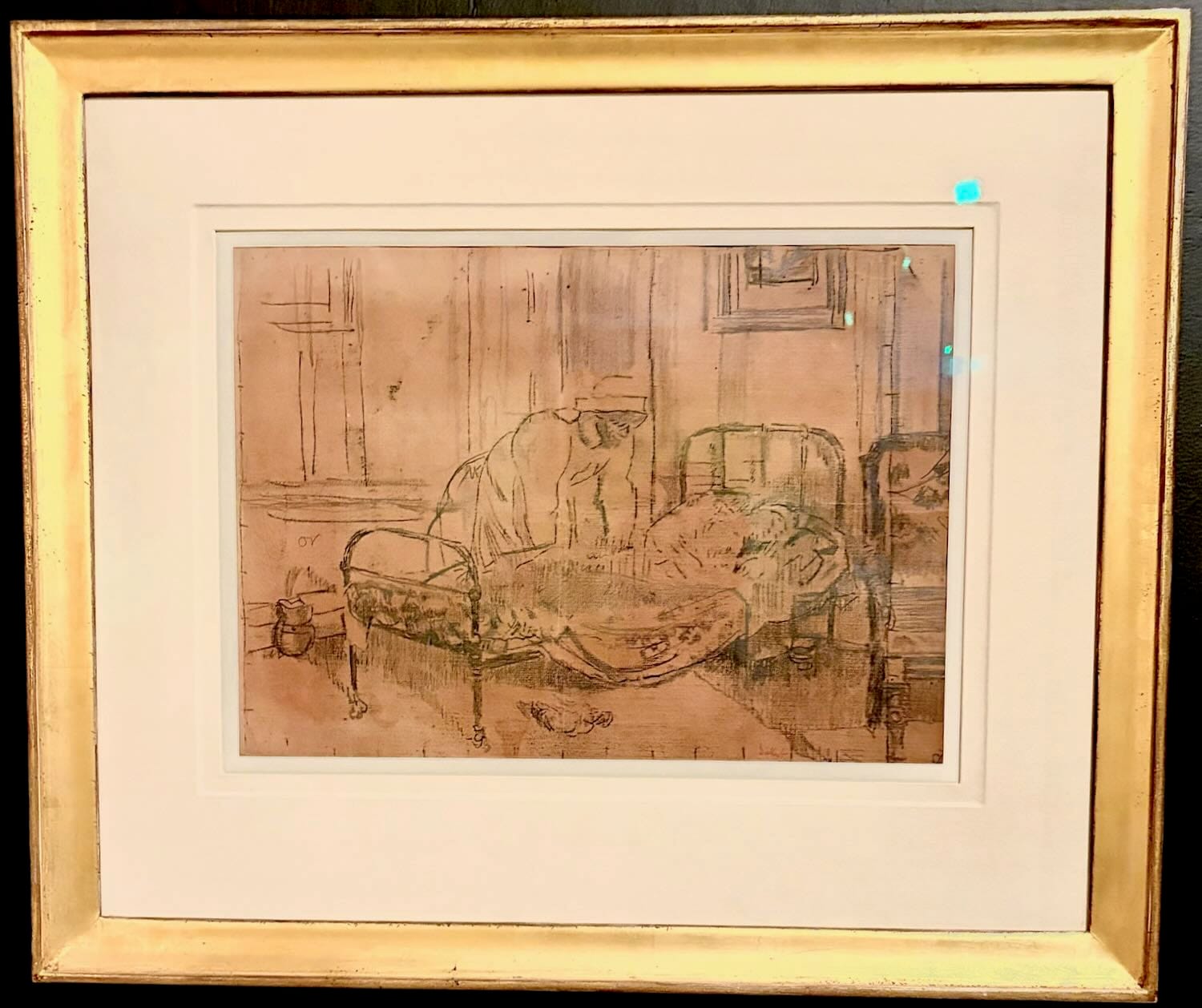
Passing observations become lastingly meaningful by being portrayed in art in this way. The Red Cross Nurse (1914 – 15) is one unusually unsentimental example, and The Laundry, Dieppe (1885) another. Scenes such as these are held in their own time while still being recognisable today.
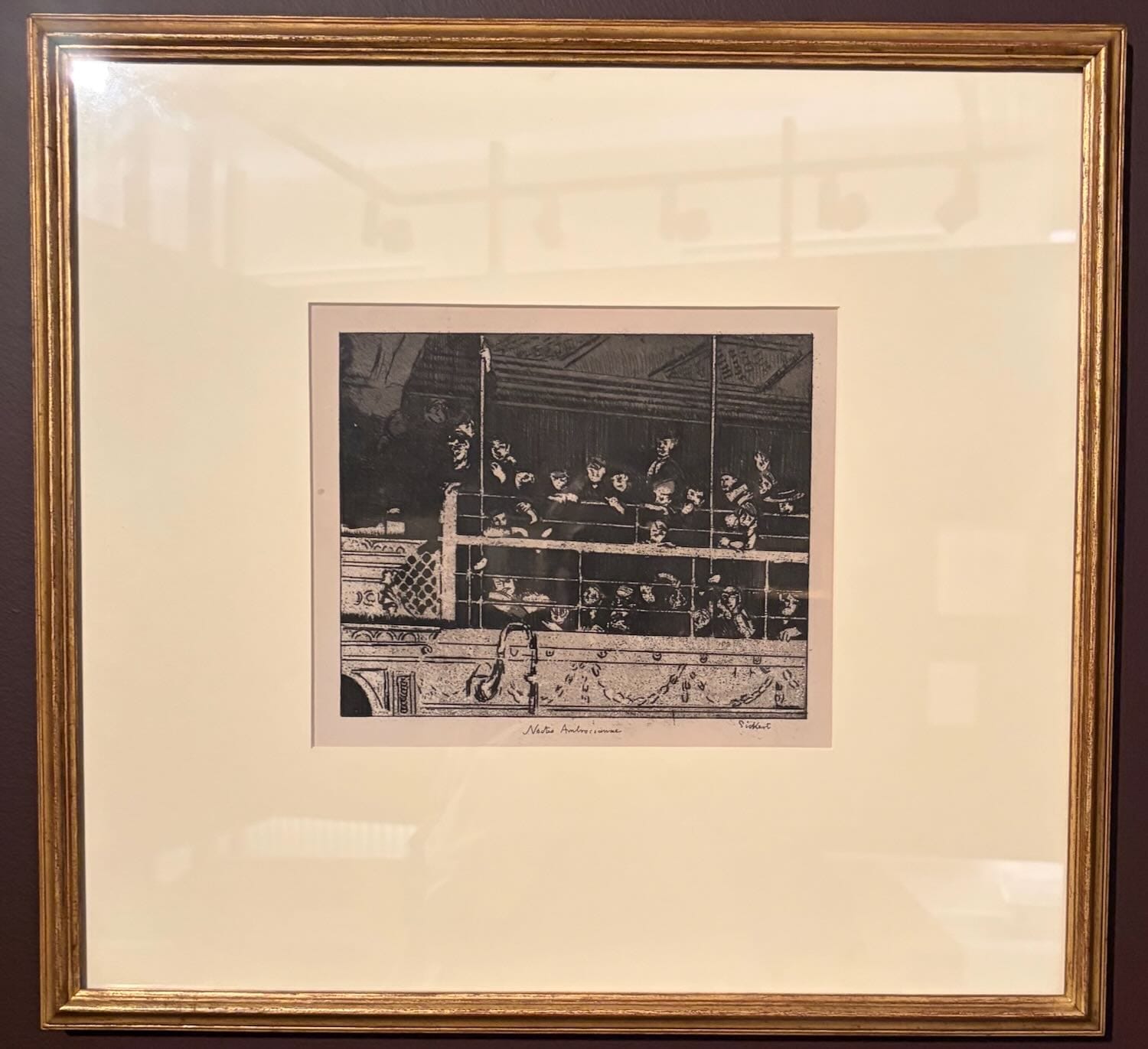
So too Noctes Ambrosianæ (1908), an unchanging view of a fully participating audience at a theatre then, as we dance at gigs now.
This democratic approach to subjects was considered radical at the time, and viewing these works the visitor needs to remember the mood of the era (a period of empire and war) to properly understand the effect of these works.
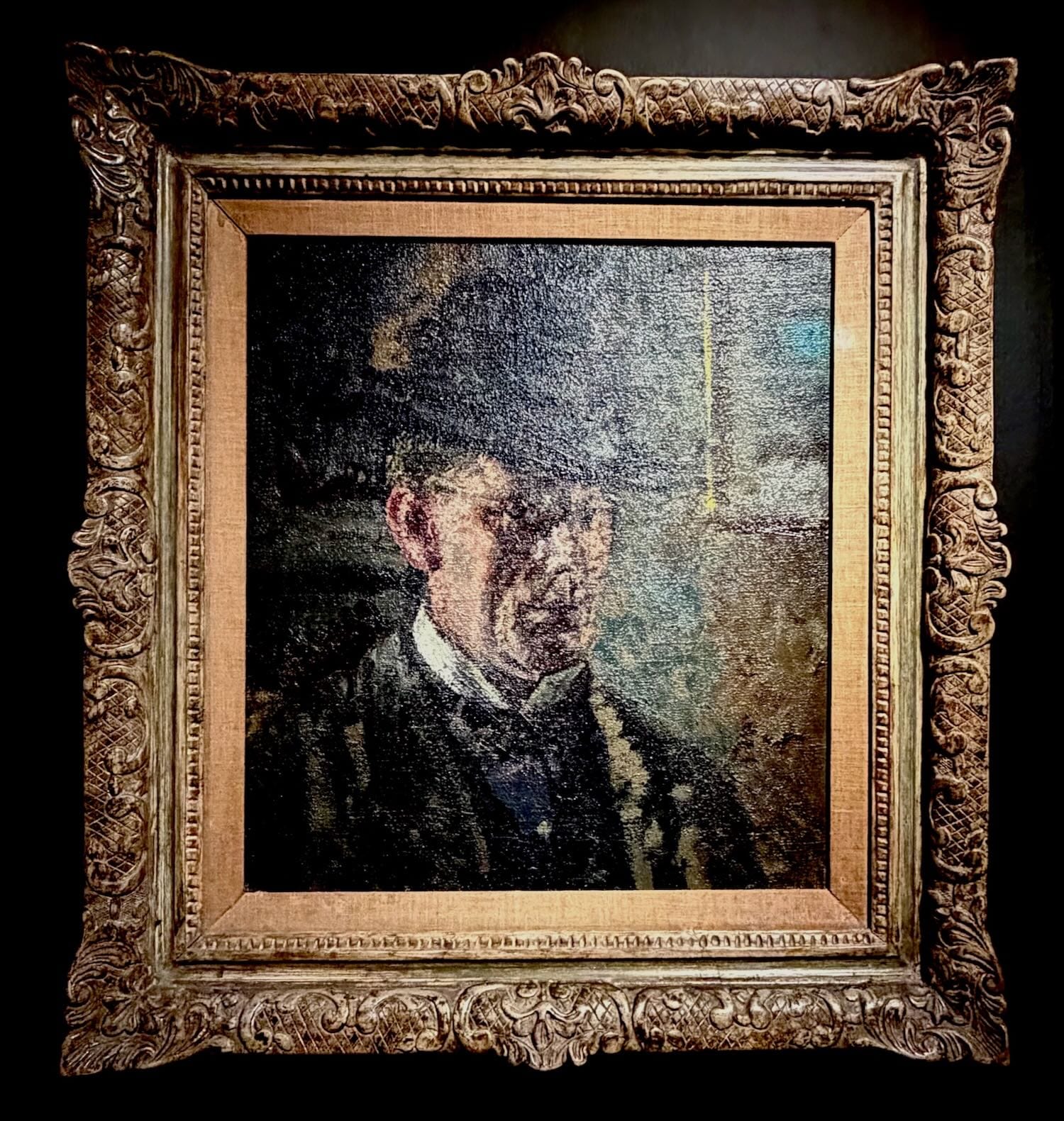
Sickert himself enjoyed playing different roles and changing his appearance, as well as seeing the world differently. The Juvenile Lead (1908) is a shrewd self-portrait, showing us through his direct expression that as well as being a painter, an actor, and an innovator, he was chiefly an observer during this period of great change.
To immerse yourself in this fascinating slice of history, do take the short journey to Lewes, and see this era through Sickert’s perceptive and knowledgeable viewpoint.
*Many thanks to the anonymous Visitor Assistant who shared her brilliant take on the exhibition with Eastbourne Reporter and provided the opening quote.
:: Walter Sickert: Working Notes runs until 11 October 2026 at Charleston in Lewes. Tickets £8 / £9 with Gift Aid. Concessions available and under 18s free.
:: Alison Norwood is managing director of Norwood Editorial Services and was previously an academic publisher. She has also worked in print and design, and writes novels in her spare time. Alison has always studied art history and is a volunteer arts reviewer for Eastbourne Reporter