Treasured memories of quiet spaces, a famous author and a goldmine of books
This research is part of the Discover, Celebrate, Grow programme funded by The National Lottery Heritage Fund, marking ten years of Devonshire Collective. This is the last of three features by community researchers trained by the Eastbourne Reporter to research their neighbourhood in the town centre
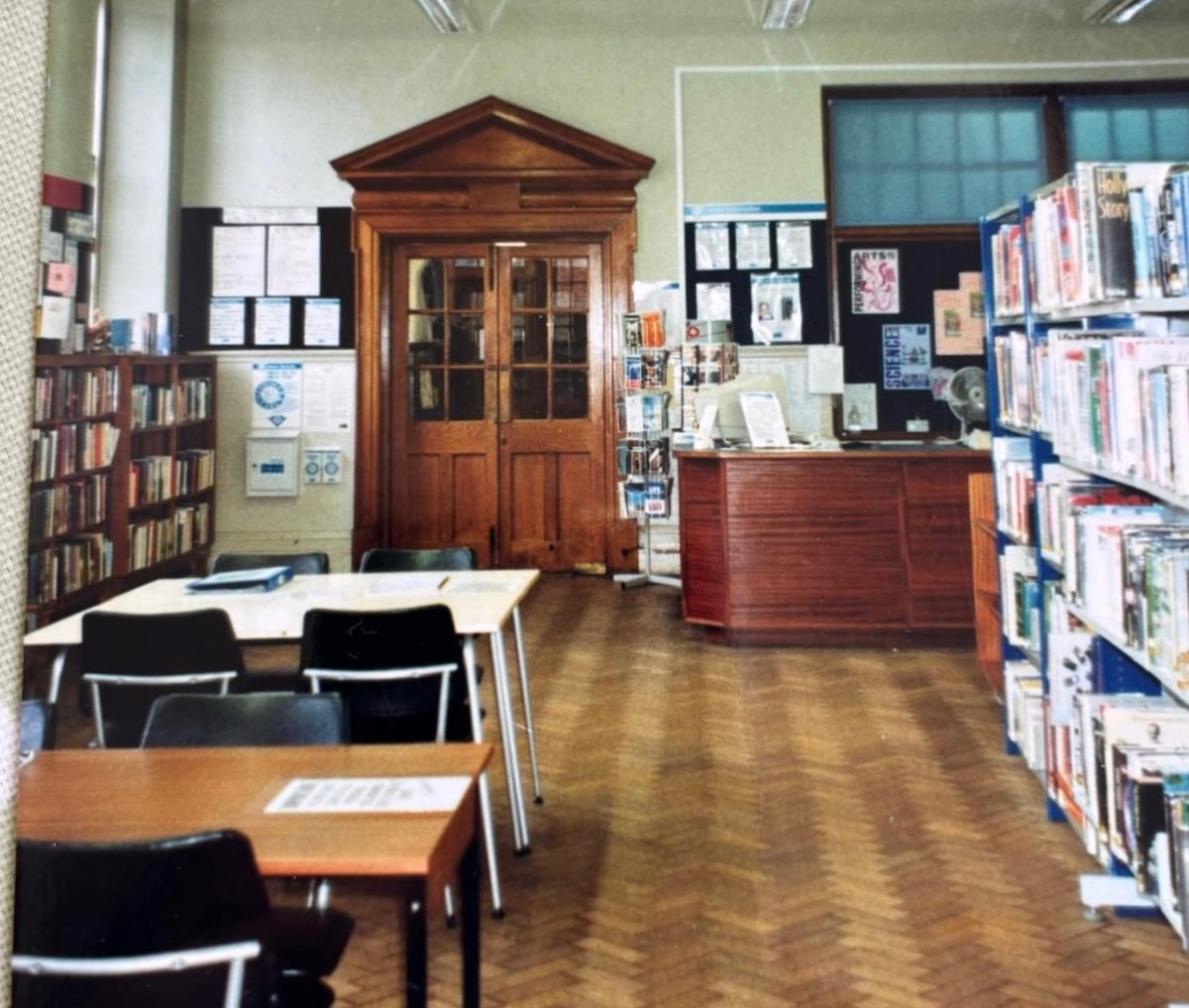
This feature investigates the world of silent reading and polished parquet floors in a library which was one of 800 to close in the last 15 years across the country
By Emma Boyes
“The quietest library in East Sussex” was the description of Seaside Library.
To me, as an autistic introvert who loves books and has a distracting noise sensitivity, that sounded to me like the closest thing to heaven. I immediately assumed that meant quiet as in free from noise. But to the council looking to save money, it sounded like the perfect justification to close it down for good and sell it off. It turns out they meant underused.
Seaside Library was built in the mid-1920s and seems to have had at least two different addresses over the years: 168 Seaside and now the building is 1 Firle Road.
For some time there was the main library room and a separate enclosed room on the ground floor which was a ‘reading room’ with newspapers secured against theft on long wooden holders. Several people noted this seemed to “always be full of old men”. No one could seem to explain why they were always there, except “perhaps they were waiting for the pub across the road to open”. Eventually the reading room was closed and became a centre for talking books for the visually impaired.
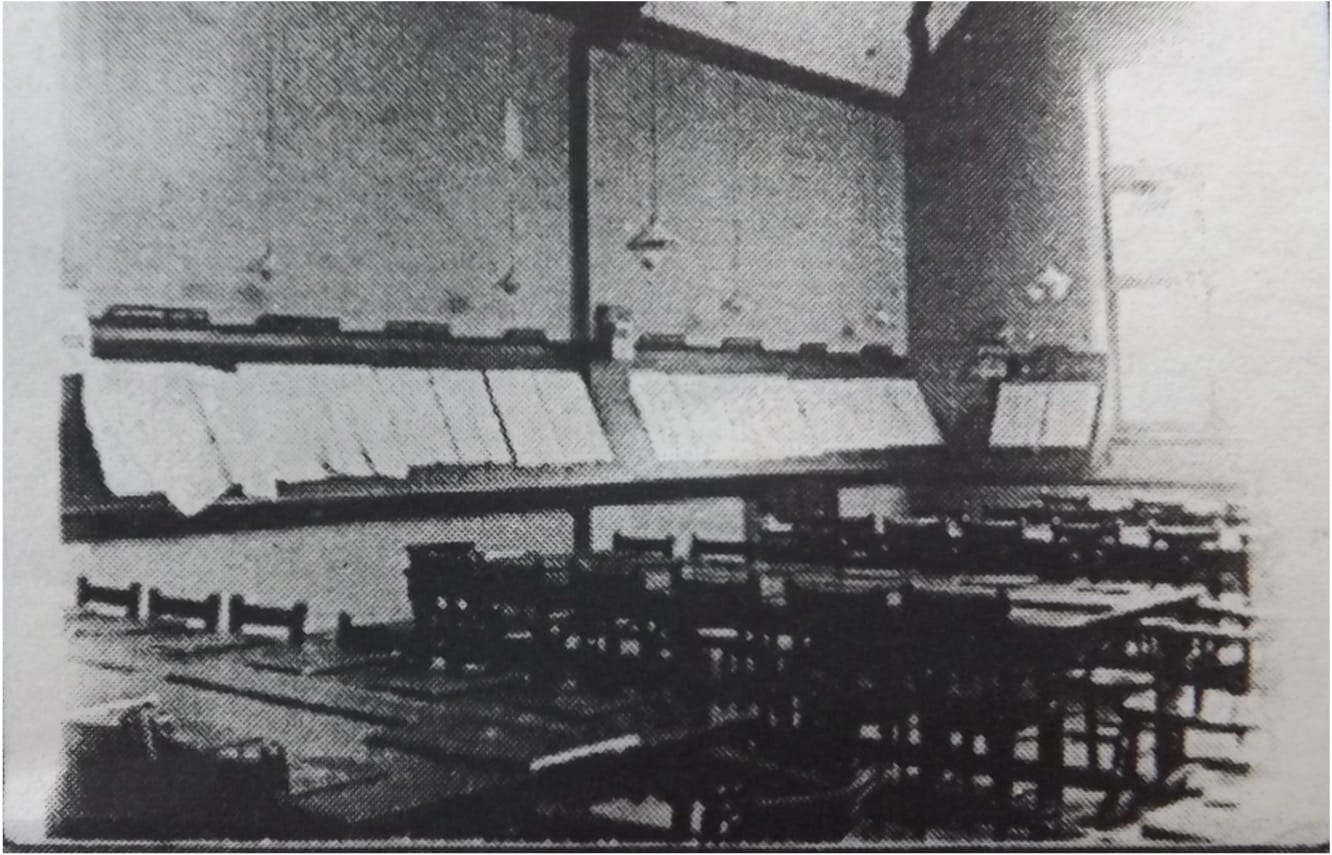
On the first floor was a very popular community hall, which over the years was used as well as the main library floor by many local groups, including for Judo, ballroom dancing, amateur dramatics, whist card games, art and photography exhibitions, bring and buy sales, a Blue Peter event (the library was given its very own badge), opera and “an interesting lecture on poultry keeping” (1930).
Living above the library
The building was originally on three floors – on the top floor of the library was a flat where the caretaker lived with his young family and Julie Richmond, now 54, fondly remembers her childhood years being locked in with thousands of books every evening.
She said: “As a child, living above the library was very exciting. I had 24/7 access to thousands of books and we also had two halls in which to learn to ride our bikes and roller boots, play football and tennis (obviously with foam balls!) and epic games of hide and seek that could go on forever as the place was full of nooks and crannies!
“It was quite a privilege to live there, and to have all that space to explore and play in. However it was very creepy, especially at night. The long corridor leading to our flat upstairs had the ladies’ toilets on the right-hand side and walking past them used to freak me out! There was also a cloakroom down a corridor from the front of the large hall and a creepy staircase down to a single WC. That part of the building really gave me the fear as a child! I was always convinced that it was haunted.”
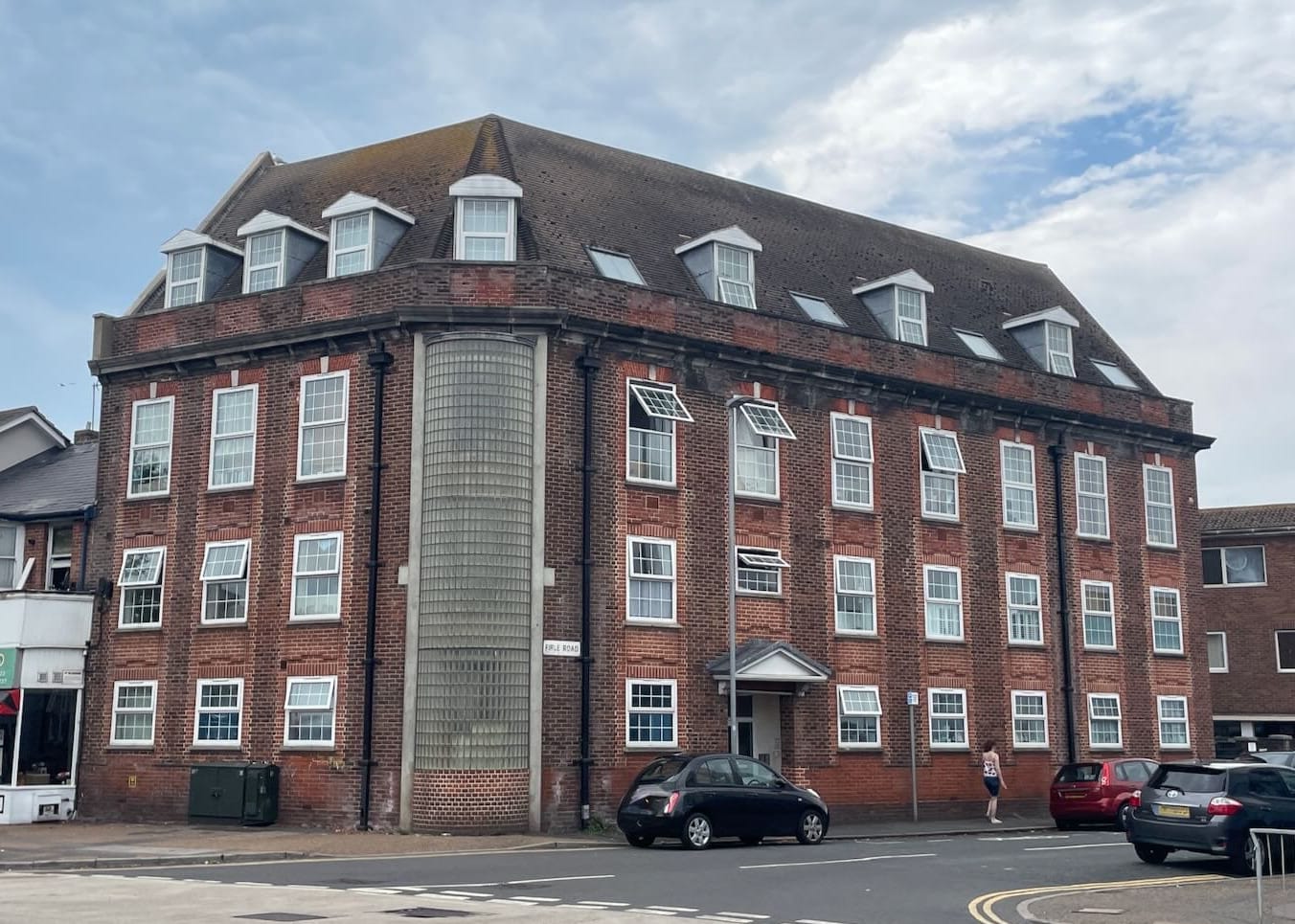
Despite how idyllic it sounds, there were other drawbacks and in 1982 Julie’s mother developed TB – and the mould and lack of central heating in the flat were not helping. So the family was rehoused to a more comfortable home on the brand new Shinewater Estate.
Childhood memories
Library goer Jenny Drysdale said: “I loved this library and visited it for books with my mum in the 1970s. I was keen on the Mary Poppins books with the candy stripe covers.
“I have many memories – one time my mum was browsing the novels when a lady next to her said ‘This is a good story, I'd recommend it’. So mum took it out and read it. When she got to the end, the author was pictured on the inside back flap. It was the woman who'd recommended the book, none other than Catherine Cookson herself!”
“I really miss it. It should still be there.” - Marc Tiltman
Jenny remembers the many children's parties held in the upstairs hall. “There was a small stage at one end and I remember the wooden doors being very heavy to push – we did lots of barn dancing up there!
“Like many others, that library instilled in me my love of books and writing,” Jenny says, adding she has written two novels and much poetry.
Marc Tiltman, 62, is another of the many children who were first introduced to the library on an official school induction, which happened regularly in partnership with the local schools in those days. He was 11 years old in 1975 when he first went inside and remembers the limit on how many books you could borrow back then was just two, so people had to choose very carefully.
He said: “I definitely still have my old library card from back then somewhere. I made sure I kept it even though I can’t use it any more. I had an insatiable appetite for books as a child, especially non-fiction reference books about the natural world and sciences.
"I also remember borrowing the adventure series by Willard Price, which he was still working on, so sometimes when I was looking I would find a new title had appeared.
“I really miss it. It should still be there.”
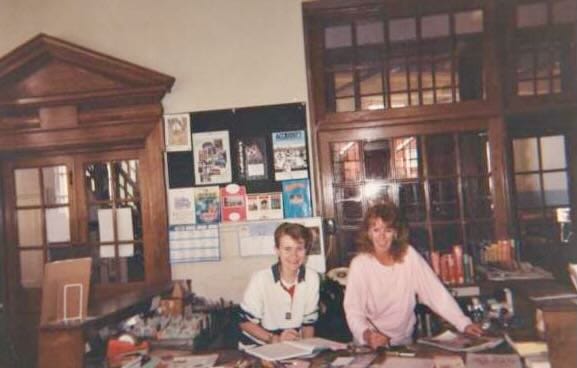
Although being a librarian wouldn’t strike you immediately as being a job where you could have a lot of fun, Lesley Byrne, now 72, argues that they were all ‘like a family’ and there were plenty of laughs had, possibly very quietly.
The life of a library manager
Lesley was the manager at the Seaside Library when it was closed, and had spent 20 years working in various roles and locations in the library service.
She says: “In those days the library had to be quiet, and there were various things we would do to ensure that. There was one chap who would drink in the pub across the road and then come back to the library for a nap. I used to go along with a heavy book and stand beside him and ‘accidentally’ drop it right next to him because you weren’t allowed people snoozing!”
She also recalls some of the stranger things that people ended up using as bookmarks and forgot to take out before returning the book. These included a sausage, a rasher of bacon and a runner bean.
The library eventually faced a huge repair bill that was estimated by one source at £35,000 and by another at more than £70,000, while there were ‘644 of 22,000 active borrowers’ using it. Lesley fought off the threat of closure several times before the council got their way in 1999 and the library finally closed its huge double doors for the last time.
New lease of life as apartments
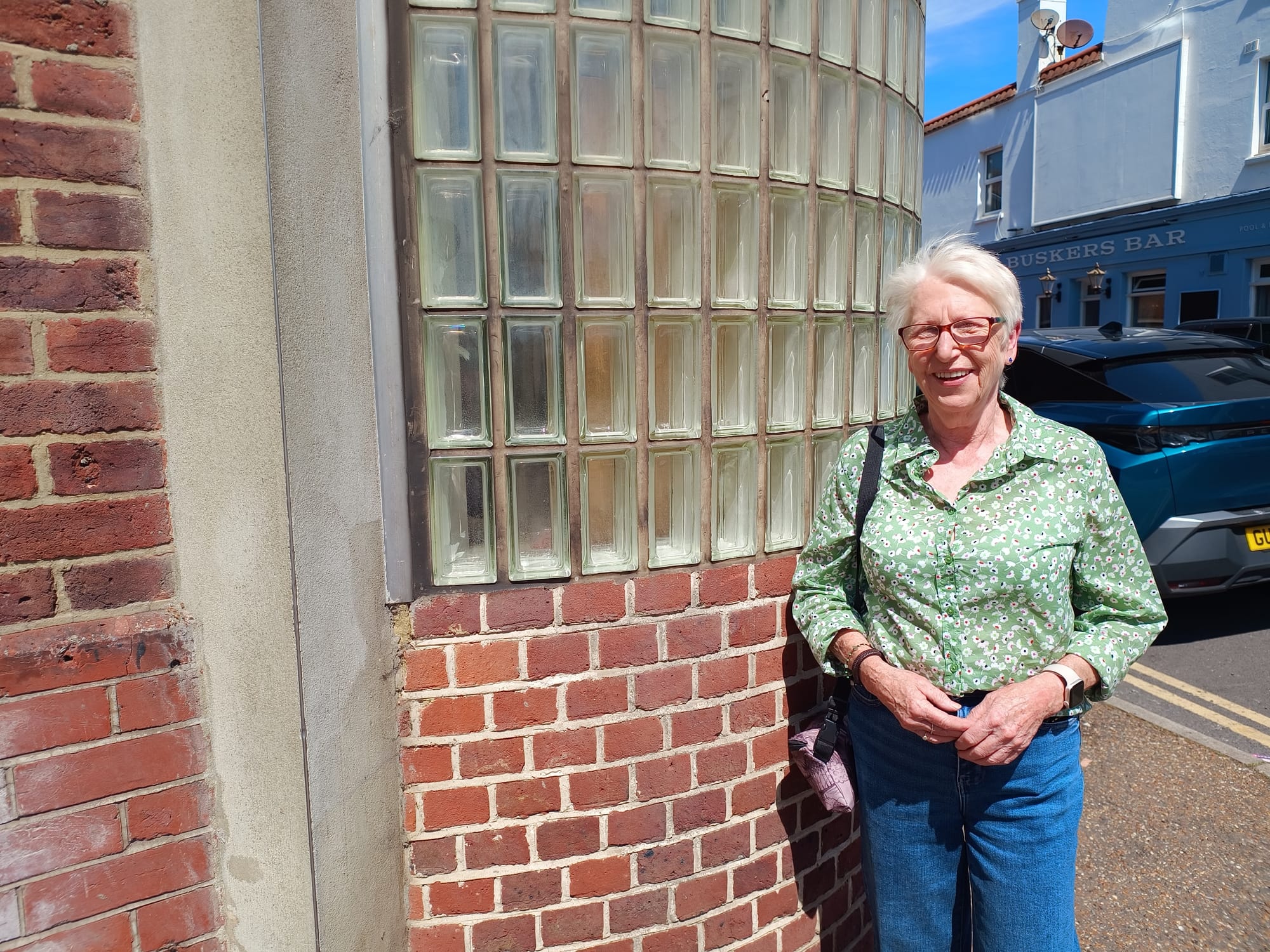
It was sold to a developer for an undisclosed sum and turned into flats. The magnificent high ceilings were dropped and the huge windows replaced by smaller models in order to fit in more accommodation, but the glass corner and some of the other original features were kept. The building is now home to a total of 13 flats. They are reportedly “actually very nice” but “definitely only big enough for one person”.
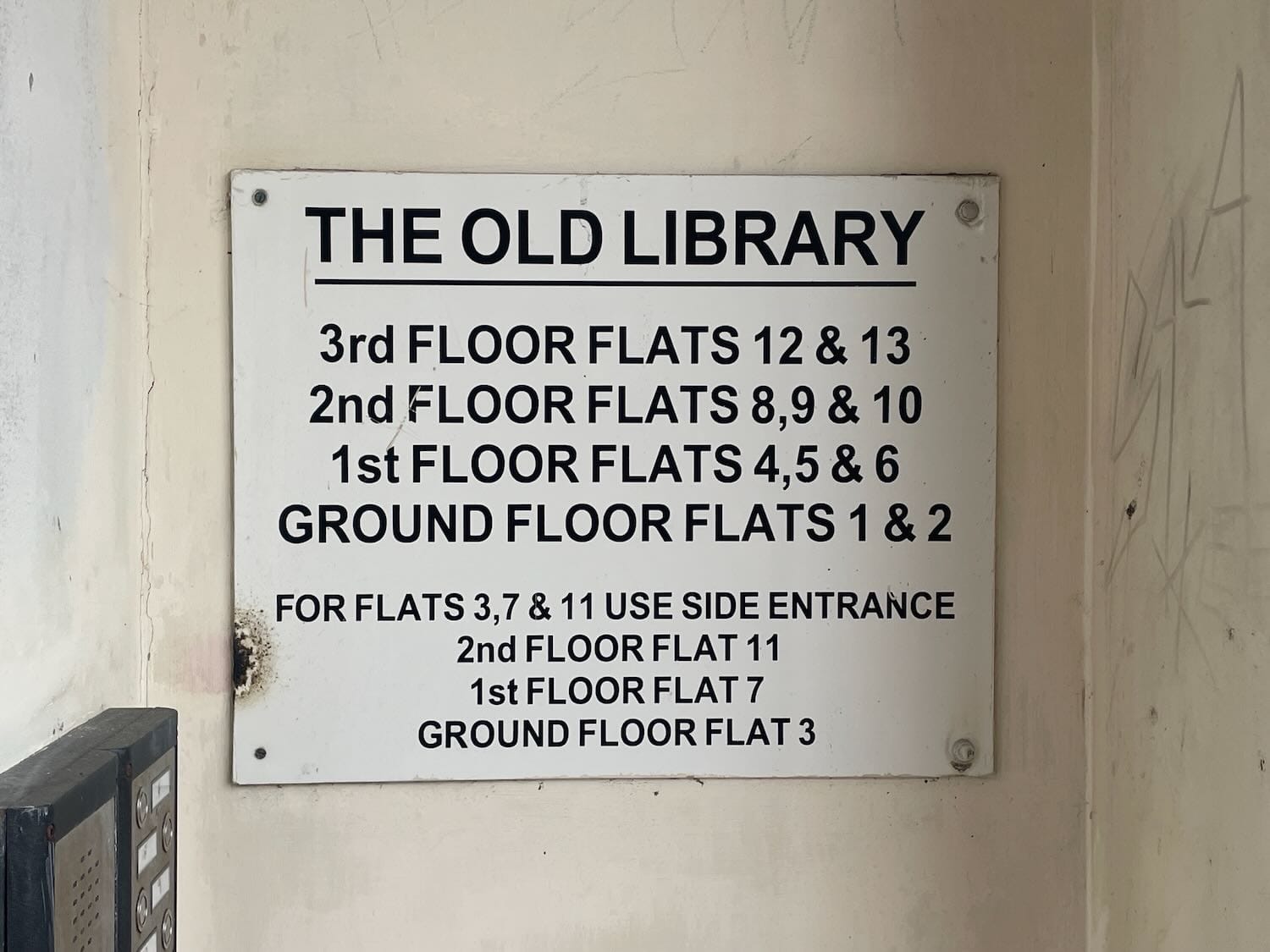
"The library was busy," said Lesley "right up until the end, the day it closed. I knew that the people who used it would really miss it." She remembers desperately trying to find places to keep a community library to take over and eventually decided on the Marine Pub down the road at 61 Seaside to become custodian.
The pub library
The idea of a ‘library in a pub’ was incredibly popular and Lesley found herself doing interviews with journalists from places as far as New Zealand, Australia and Japan. There was even an article in The Guardian.
The arrangement lasted about three years but the funding was not maintained and the books, which were meant to be on rotation every three months, stopped being replaced, became tatty and eventually the whole thing was dismantled.
This disappointed both Lesley and publican Andy Wainwright (who is still the publican today). “It went the way many of these kind of things seem to go, which was a real shame,” he said. The Marine is now famous for its Christmas decorations which cover almost every inch of the pub and include more than 22,000 lights.
Seaside Library was one of more than 800 libraries across the country that we’ve lost since 2010, primarily due to ‘local authority budget cuts’. This is about a fifth of all libraries. This programme has not stopped although austerity is apparently officially over, with more than 180 closing since 2016. Approximately 9,000 librarian jobs have been lost, which is about half of all the librarian jobs there were in total.
When I moved to Eastbourne several years ago, this would have been my local library, a two-minute walk from my new home, which my old bones would have very much appreciated. While I sometimes visit the central library in Eastbourne, libraries are no longer an oasis of quiet in an otherwise noisy world. Libraries threatened with closure have struggled to convince authorities that they are still relevant and have become more like community centres, offering services like free internet access and lively children’s groups.
The shushing and ‘Quiet in the library’ signs have gone and small ‘quiet pods’ don’t look to me like a great alternative. I can’t help thinking that EVERYONE has lost something that we are now unlikely to ever get back.
:: The Discover, Celebrate, Grow exhibition runs from 10 October 2026 to 10 February 2027 at Volt, 67–69 Seaside Road, Eastbourne. It reflects a year of digging into the history of the Devonshire Ward with the people who live there, from storytelling walks and community research to filmmaking with foraged materials. Admission free