Eastbourne ‘a cut above’ other seaside areas, says former Labour leader
By Paul Bromley, volunteer writer and former national political journalist
Neil Kinnock has praised the glories of Eastbourne as a strong seaside town which has sustained itself in comparison to other coastal resorts.
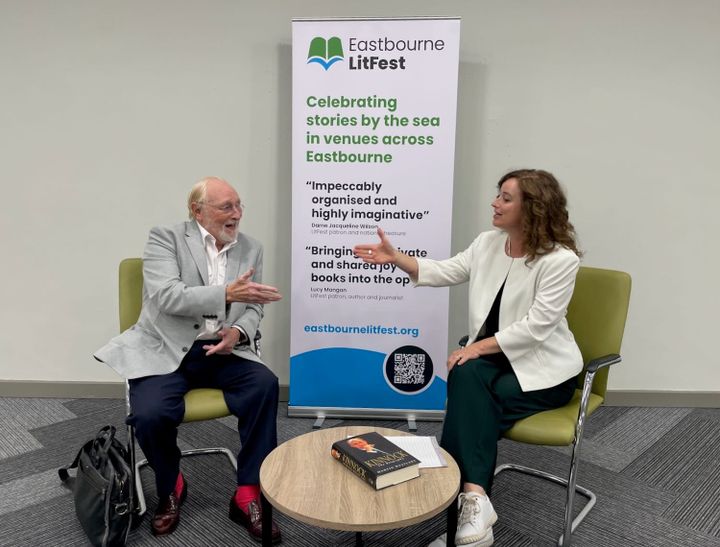
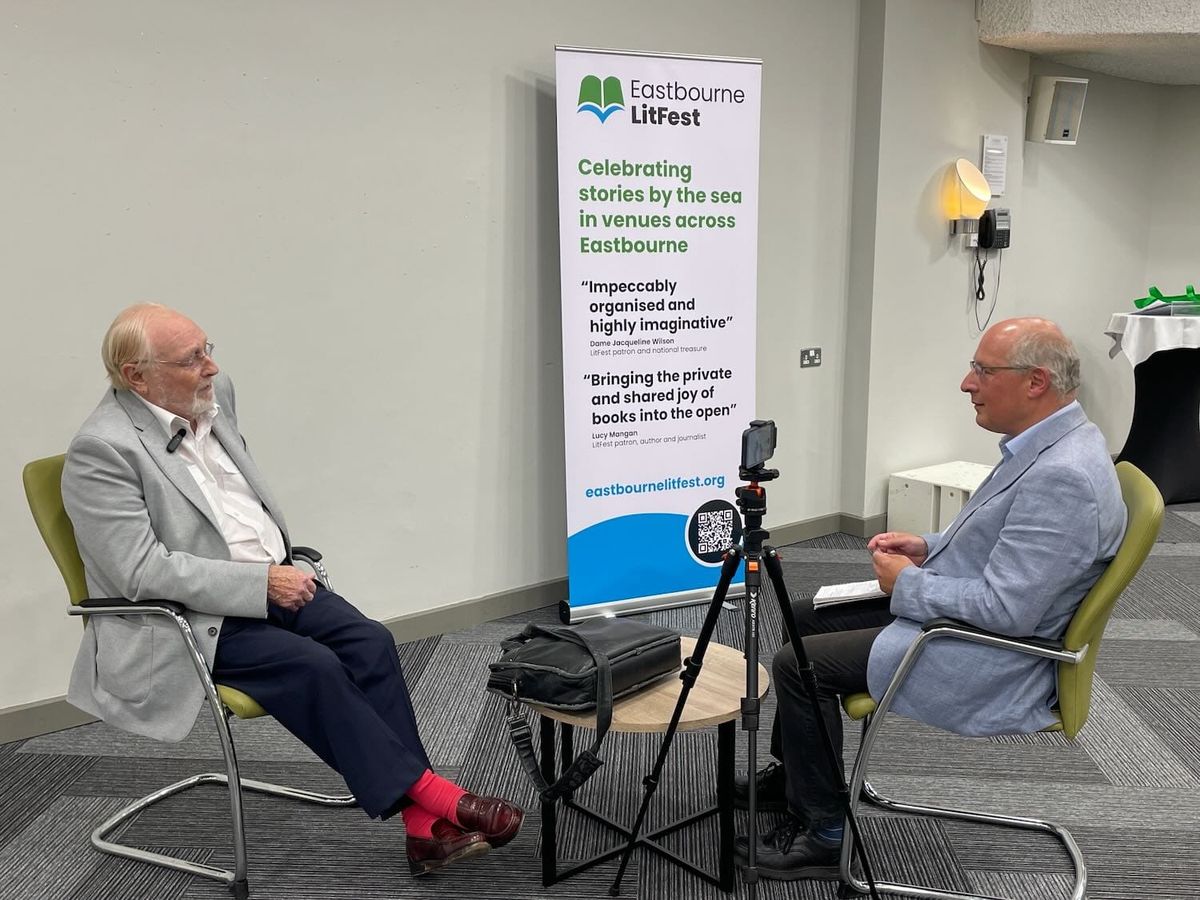
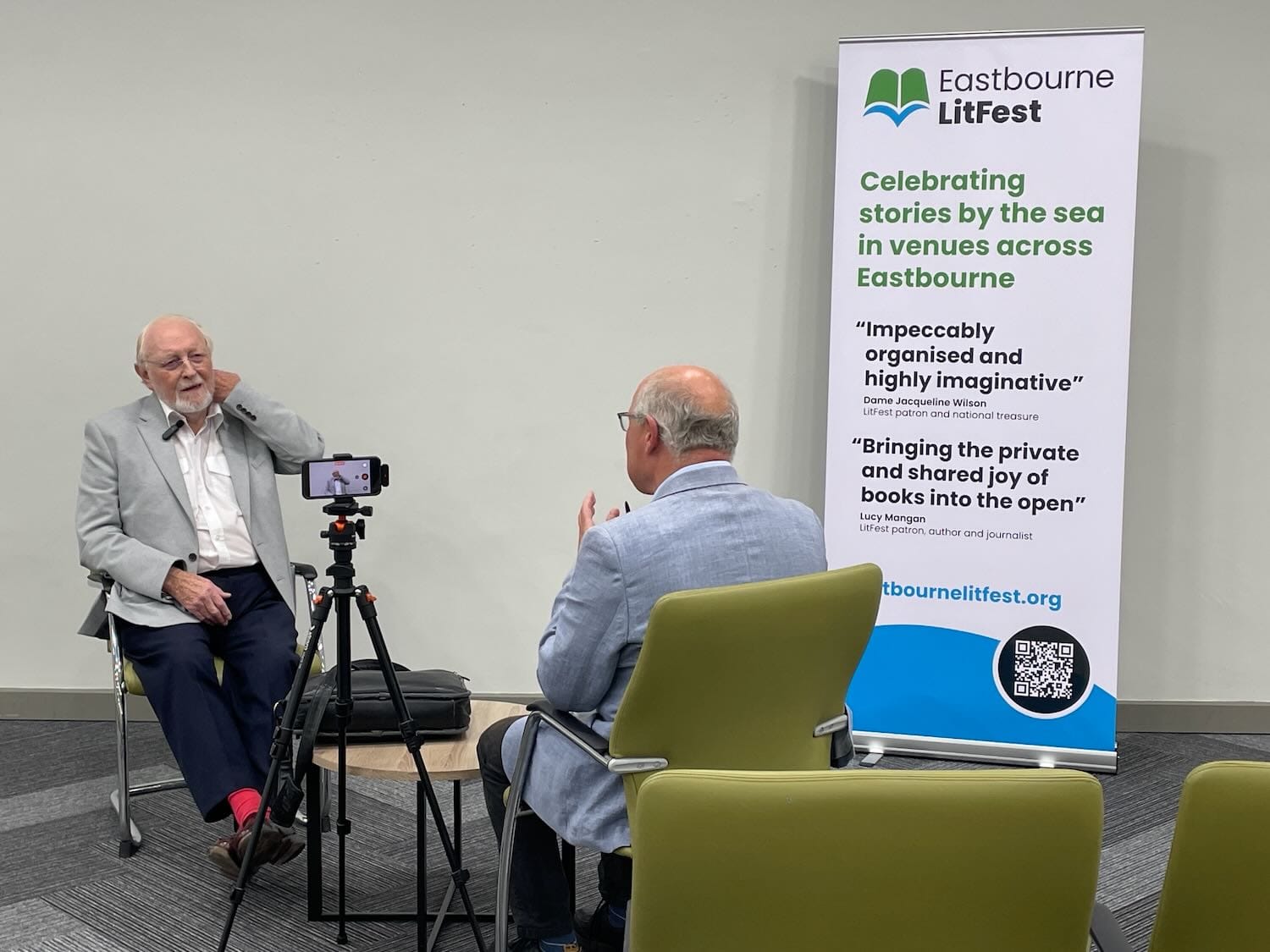
The former Labour leader made his comments in an interview with Eastbourne Reporter after appearing at an event for Eastbourne Literature Festival at The View hotel.
The 84-year-old peer is still a relentless campaigner: he wants the UK to join the EU again, is pressing for a change to the voting system and supports an upper age limit for members of the House of Lords which would directly affect him alongside others.
Kinnock has also lost none of his political fire with strong words about a succession of Conservative leaders – tempered with admiration for one Tory opponent he faced.
And although he no longer attends Labour's annual party conference, he revealed he might make an exception if it was held in ... Eastbourne.
Reunion in Eastbourne
The LitFest talk wasn’t just Kinnock’s return visit to the town but a chance for us to reunite.
In the late 1980s and early 1990s, I was a political correspondent with the Press Association news agency (PA) which supplies stories and photos to all the major national, regional and local newspapers, TV and radio stations. I interviewed Kinnock many times and reported on Labour politics for many years.
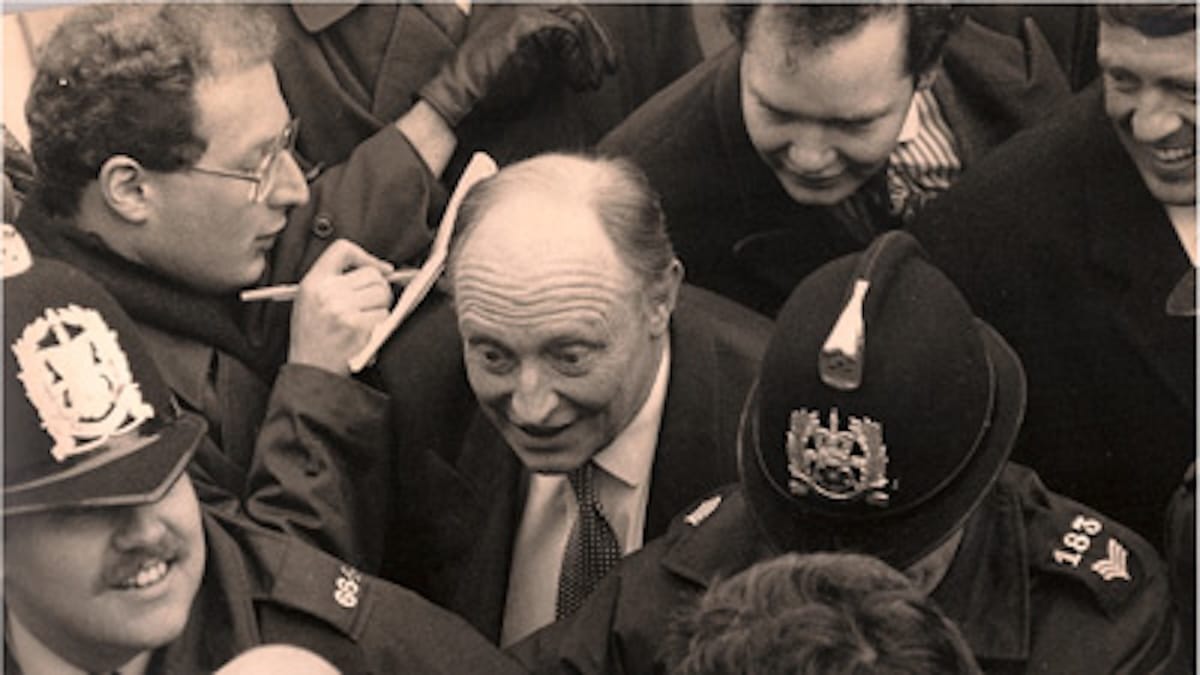
I was the correspondent assigned to cover Labour's campaign throughout the 1992 general election. Labour lost the election and Kinnock resigned the leadership immediately afterwards after nine years in charge. He is credited with making the Labour party electable again, paving the way for Tony Blair’s 1997 election victory.
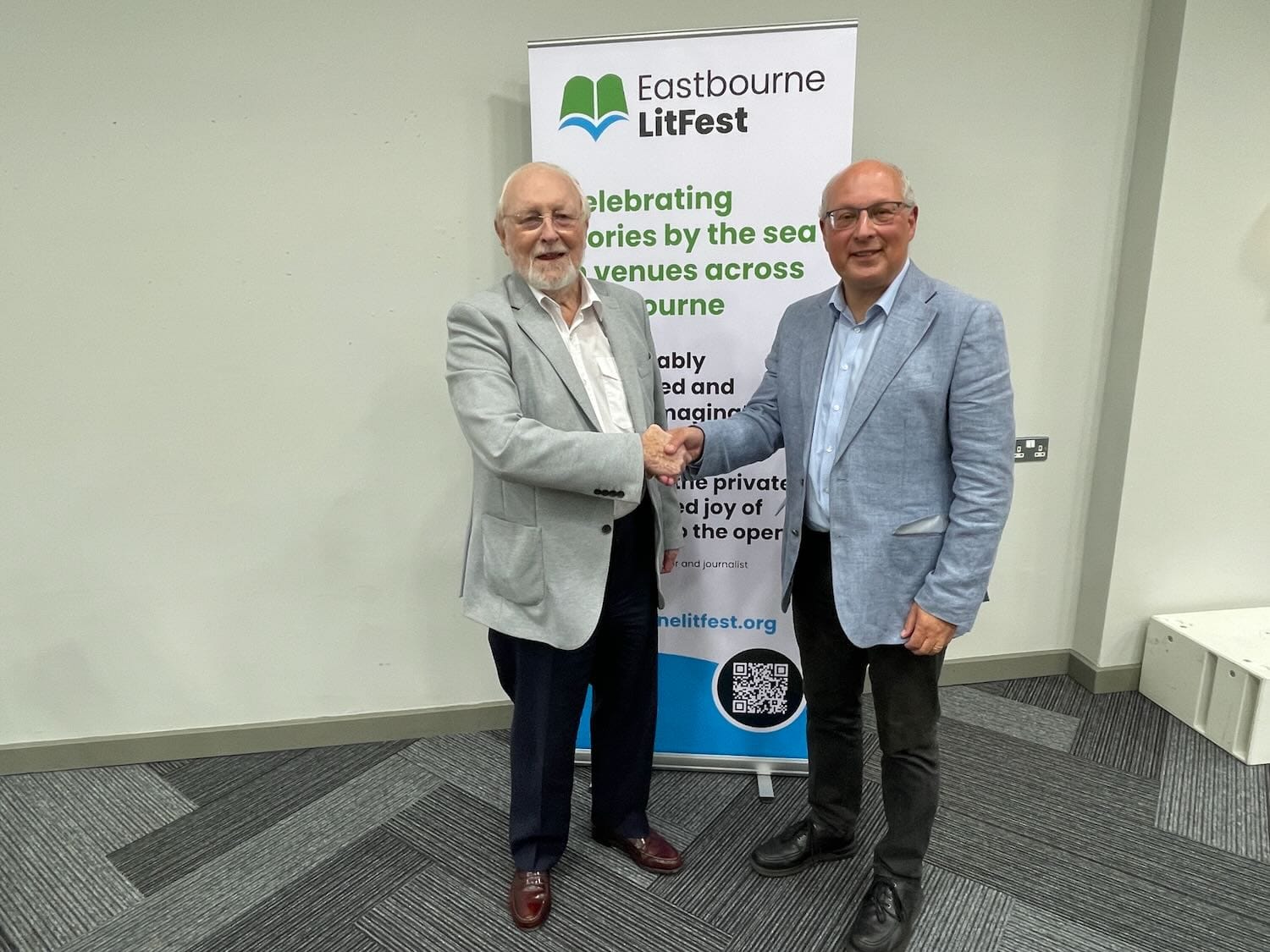
“You haven’t changed a bit,” Kinnock joked as we sat down for our interview.
He acknowledged that he too was “in disguise” as he stroked his greying beard!
The 'strength' of Eastbourne
He recalls coming twice to union conferences in Eastbourne and attended a Fabian Society gathering back in the 1970s. As Labour leader, he was photographed reading to children at Langney primary school in 1990.
So what does the peer make of the town?
“Well, it’s glorious. It’s a late summer evening, we’re in this luxury hotel, what’s not to like?” he said.
Lord Kinnock added: “It’s sustained itself, unlike too many other coastal towns, but Eastbourne has always been a bit of a cut above and that strength shows through.”
Neil Kinnock praising Eastbourne © Eastbourne Reporter
A love of literature
He described the ‘In Conversation’ event with writer Deborah O’Donoghue as “lovely”, looking through the prism of literature including books that had influenced him.
Kinnock said he had already appeared at several festivals this summer which were inevitably about politics and current affairs.
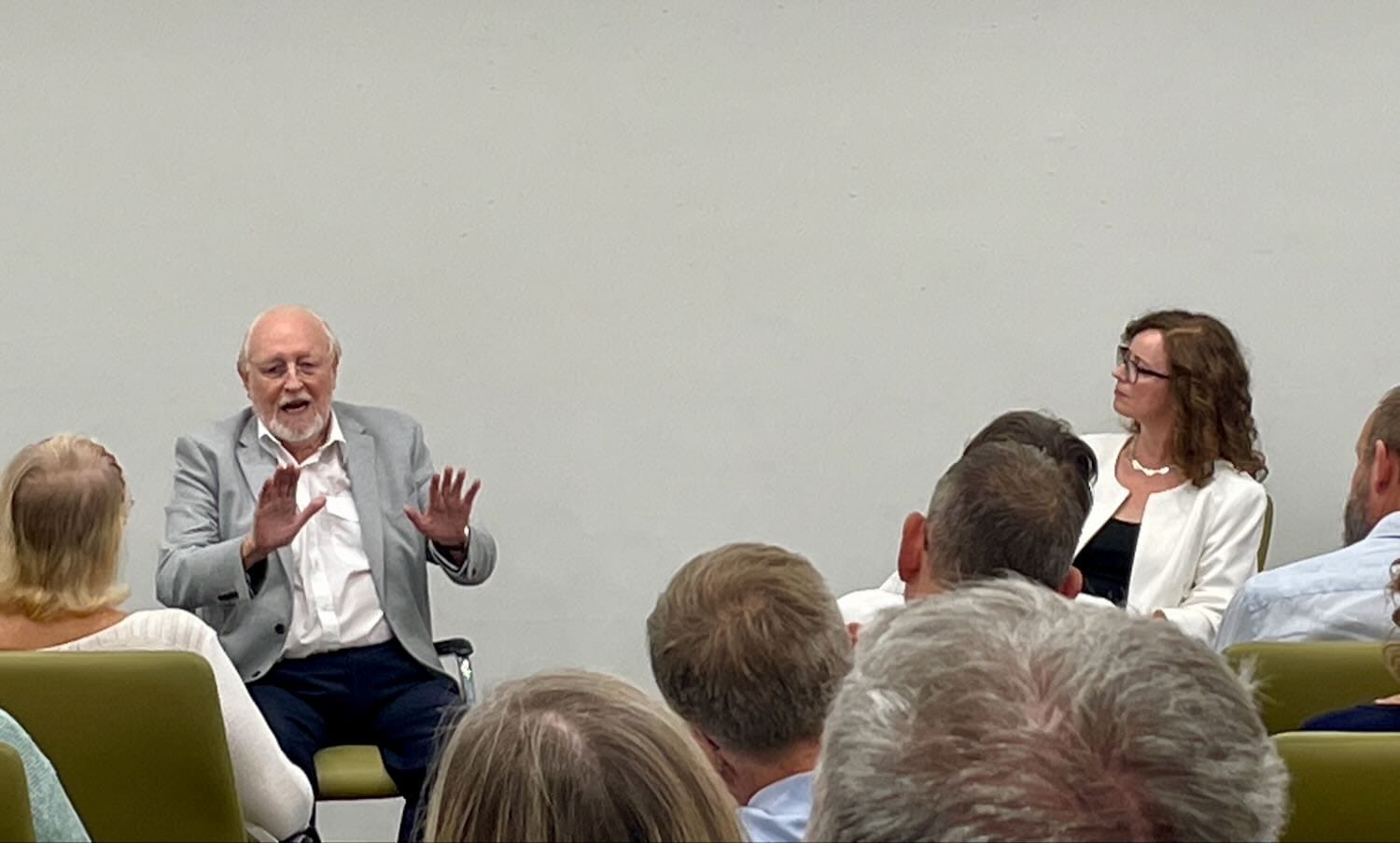
“This was a nice change … to have a different approach like Deborah’s was refreshing and stimulating. I had to think about things I hadn’t thought about for years and that can keep you alive,” he said with a smile.
Neil Kinnock on his political foes...
He said his antagonism towards then Conservative prime minister Margaret Thatcher was not just partisan but based on a fundamental disagreement with her policies such as the “reckless” scale of the sale of council houses and preventing councils from using the revenue for new building and reconstruction.
“I actually think with deep sadness that the shadow is still over our country,” Kinnock said.
... and his view of John Major
John Major replaced Margaret Thatcher as Conservative leader and prime minister in 1990 and that was who Kinnock faced in the 1992 general election.
Kinnock said he did not feel the same level of antagonism towards Major.
“We were politically hostile to each other, of course, and that was absolutely authentic, there was no pretence about it. But he’s a decent guy, he’s normal, he’s grown-up which is what made him a very, very difficult opponent.”
The verdict on other Conservative leaders
He described Boris Johnson as a “charlatan” and claimed David Cameron had made a “devastating error” in calling the 2016 Brexit referendum. “We are still paying an awful price for that,” said Kinnock who was a European commissioner after standing down as an MP and served as vice-president of the European Commission.
The EU debate
Eastbourne was one of the areas which voted to leave the European Union in the referendum. People in the town voted 57.3% for Leave and 42.7% to Remain.
Kinnock continues to campaign on several fronts, not least for the UK to get back into Europe – what he calls “joining again”.
“We can’t rejoin. Everything’s moved so much in the last ten years, we’ve got to start all over.”
'Voting reform should mean majority support'
One of his other issues is for a more proportional voting system to replace the First Past the Post system.
It was something he tried to grapple with when he was Labour leader and I reminded him that he commissioned Professor Raymond Plant to look into the options. The Plant commission recommended a system of proportional representation known as supplementary vote but it was never implemented.
Our interview took place three days before Andy Burnham's announcement at the Labour conference of a new national commission on electoral reform and a pledge in the next election manifesto to change the voting system.
Kinnock favours a system where MPs will only be elected if they receive majority support of more than 50% of the vote in a constituency.
It is something which has happened on occasions in Eastbourne in general elections under First Past the Post. Liberal Democrat Josh Babarinde won in 2024 with 52.1% of the vote. Conservative Ian Gow was always elected in the 1970s and 1980s with more than half the votes.
“My view of proportional voting, which would allow people to vote two, or maybe even three times, in order to decide not only on their first preference, which would take care of the 50% phenomenon … but to decide upon supplementing that with their second or even third preference to ensure that whoever is elected in the end has got substantial support from a substantial section of the electorate.”
'Lords should be made to retire under reforms'
Labour was elected in 2024 with a manifesto commitment to reform the House of Lords.
It pledged to remove the right of hereditary peers to sit and vote in the House of Lords and promised to introduce a mandatory retirement age of 80.
The first stage has happened with hereditaries such as Eastbourne’s Lord Lucas no longer in the upper chamber. But the second stage hasn’t happened yet. A Lords committee report published in July recommended phasing in the retirement age of 80.
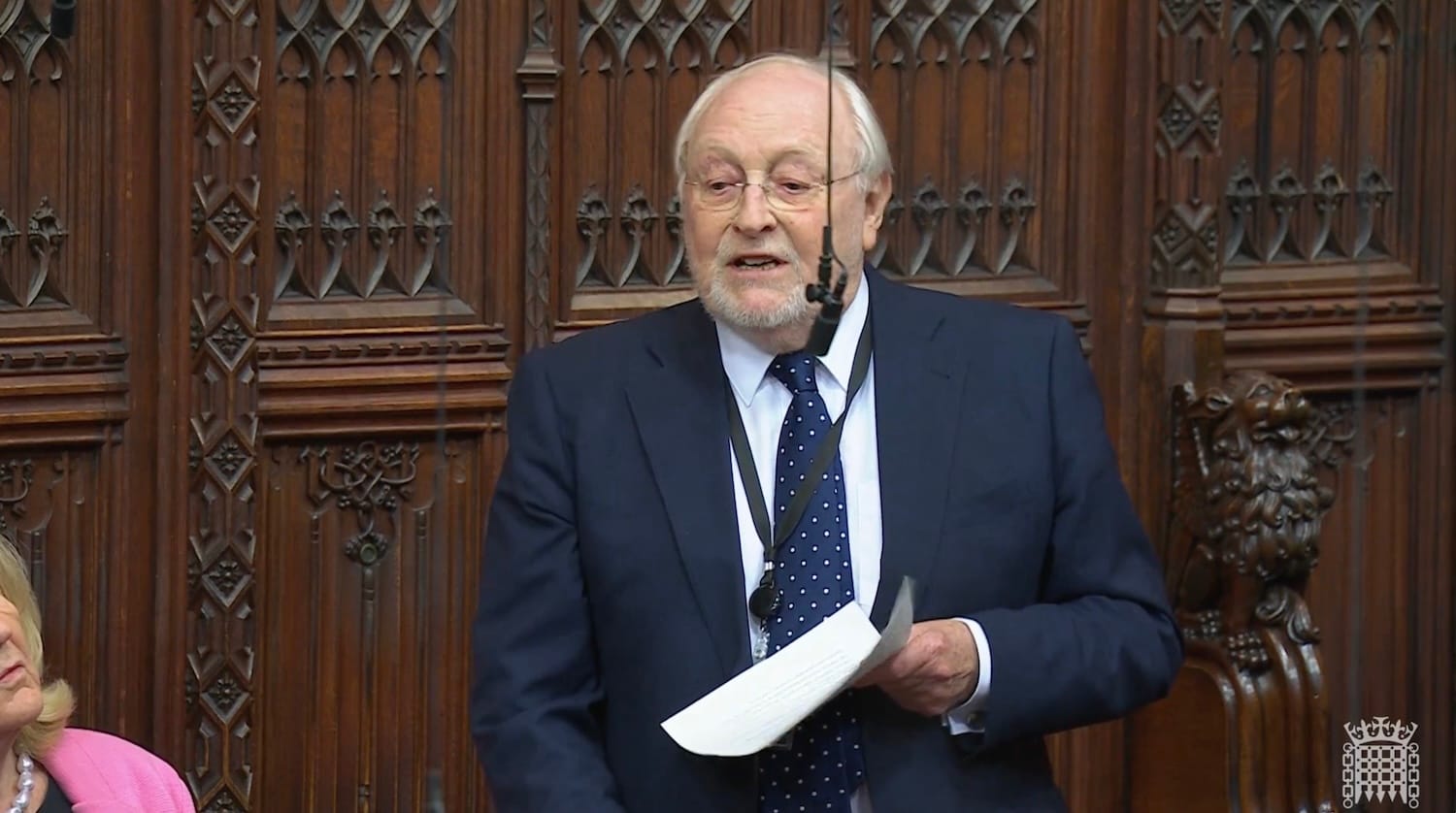
Kinnock has been a peer since 2005 and supports the compulsory retirement age.
“If that comes to a vote, I’ll vote for it and I’ll be first through the door. I know it well because I am exactly the age that’s in the frame and that’s right.”
He added: “I’m 84 and pretty spry. There are older members of the House than I am who are truly effective and active members of the House of Lords … we know, that if we continue to hog the seats, the House of Lords is never going to get the kind of energetic renewal that it needs, let alone the overall reform that is required to have at least a substantially elected second chamber.
“And we’ll be stuck into the 21st century again with an unelected legislature and you can’t have unelected people responsible substantially for making the law.”
Kinnock on Labour party conferences
He spoke during his LitFest event about the pressures of making his leader’s speech at the annual Labour party conference including late-night sessions writing his remarks.
Our conversation took place as delegates gathered for this week’s Labour conference in Liverpool.
So does he still attend the party conference?
“No, no, thank you very much, been there, got the T-shirt,” he replied in his sing-song Welsh voice.
He said he was quite happy not going because it was “very wearing” with the travelling and attending "endless meetings".
But the London-based peer did acknowledge there were circumstances in which he might change his mind.
“I would be presented with a dilemma if the conference was in Reading, or even Eastbourne!”
:: The full interview with Lord Kinnock is on Eastbourne Reporter’s YouTube channel.
:: Paul Bromley is a qualified journalist and broadcaster who worked for 40 years for regional newspapers, the Press Association and Sky News. He now works in community rail. He is a volunteer writer with Eastbourne Reporter
:: This genuine journalism – interviewing, research and asking questions – takes time: copying PR handouts and presenting them as 'news' is not journalism. Please support us – it's free to read with no clickbait or irritating ads. To help us regularly for the price of a coffee once a month, click here or to make a one-off donations, drop in here Together, we can revive enquiring journalism in Eastbourne. Thank you