REVIEW: Dana Awartani Standing by the Ruins
Mosaic floor installations and artwork constructed from silk reveal trauma in this exhibition reflecting loss of cultural heritage
By Alison Norwood, volunteer arts reviewer
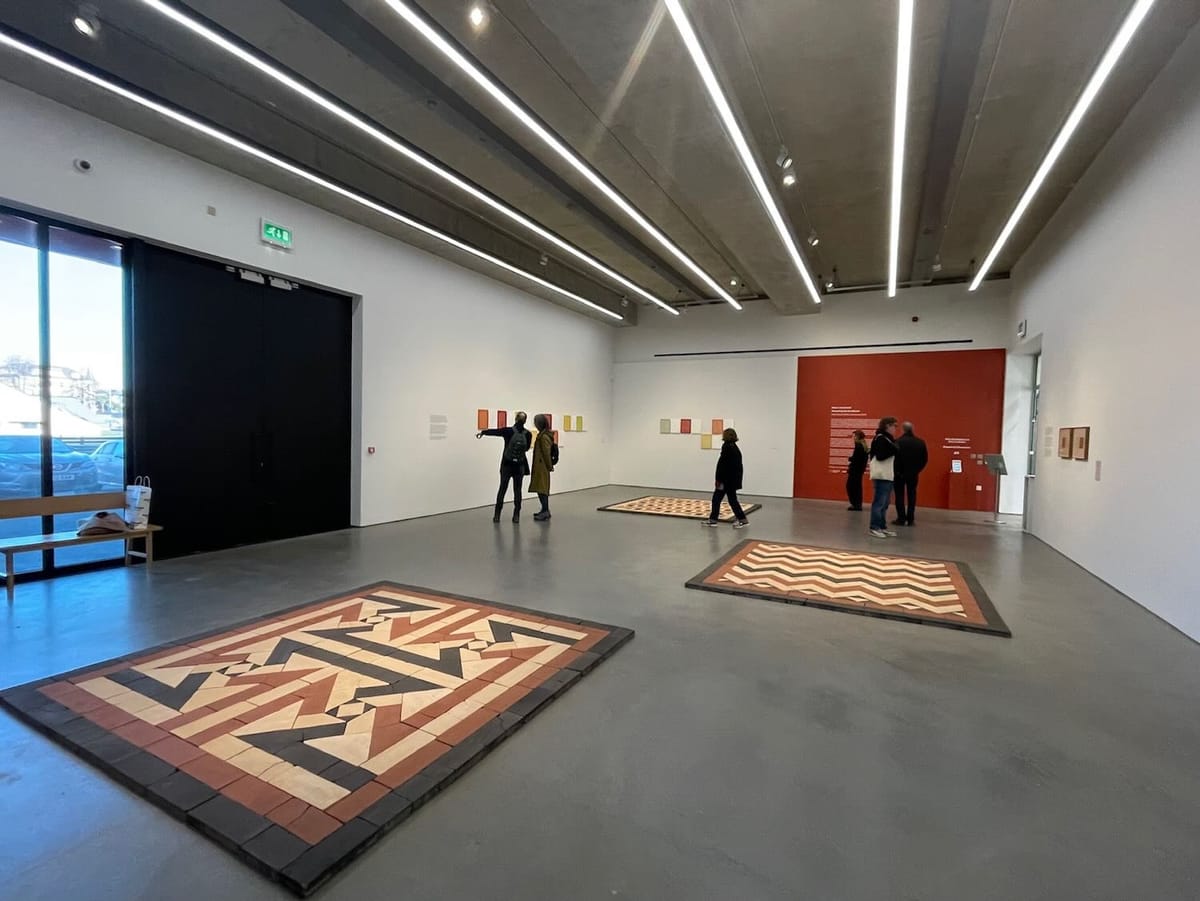
For an exhibition with themes around loss of cultural heritage, this room of floor installations and paintings is visually extremely pleasing.
To put Awartani’s work into context, the pieces here are about loss in Palestine and Syria, with the intention of providing remembrance and healing through traditional crafts.
Difficult subjects yes, but the gorgeous warm colours lure in the viewer before the depth of meaning behind the surface becomes apparent. The accompanying descriptions in the space at the Towner gallery provide the recognition of this meaning.
The handmade mosaic floor installations – inspired by similar areas in now-destroyed bath houses in Gaza – are in mesmerising, lyrical patterns, yet looking attentively you notice many symbolic cracked tiles. Accompanying sketches of their geometrical construction are equally engrossing.

Even more subtle messaging lies within the silken catalogues of destruction on the walls, such as Tetrapylon. This depicts bombing as part of cultural cleansing, although without this explanation it could look like abstract textile art.
The number of similar pieces is disturbing, each with their clinical listings of trauma. Step back a few paces though and they’re beautiful in their rich tones. Each has a transparency that emphasises the darned tears in the fabric as shadows on the wall behind.
They are handmade with silk fabrics from Kerala and treated with medicinal herbs and spices. Awartani created the holes, in an act of mourning, and an expert darner’s repairs serve as another part of that process.
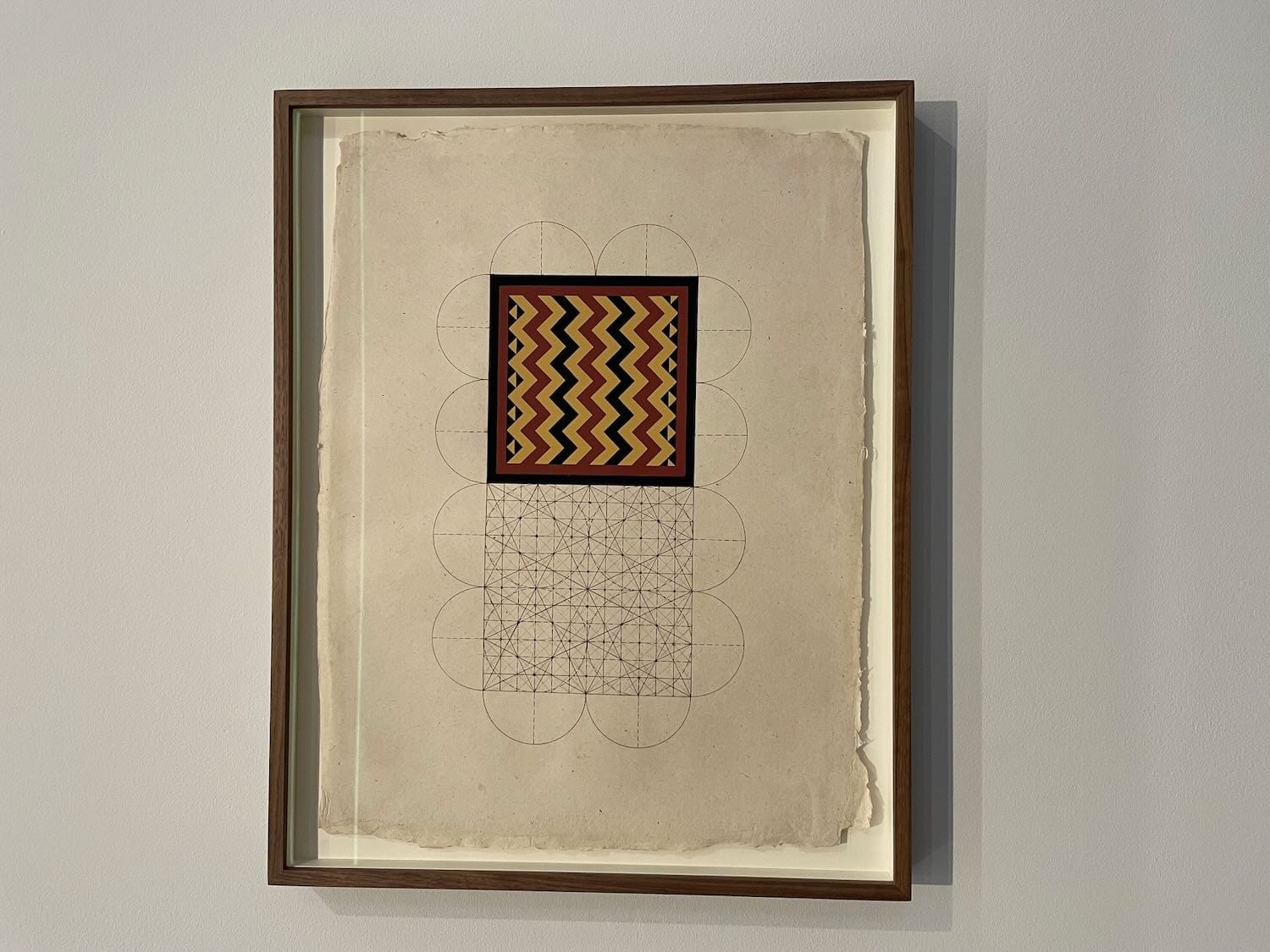
Throughout, the contrast of these rich colours and techniques articulating something dreadful forms the inherent contradiction with insight.
I approached this exhibition, in its final two weeks, with some disquiet but came away appreciating the quality of the art and the overall sensations it produces.
It feels important in the intended cultural impact and speaks quietly – but with intent.
:: Dana Awartani is a Palestinian-Saudi artist who lives and works between New York and Jeddah. The exhibition is free, although donations are suggested, and runs until Sunday, 25 January