REVIEW: Comrades in Art / Artists Against Fascism
By Alison Norwood, volunteer arts reviewer
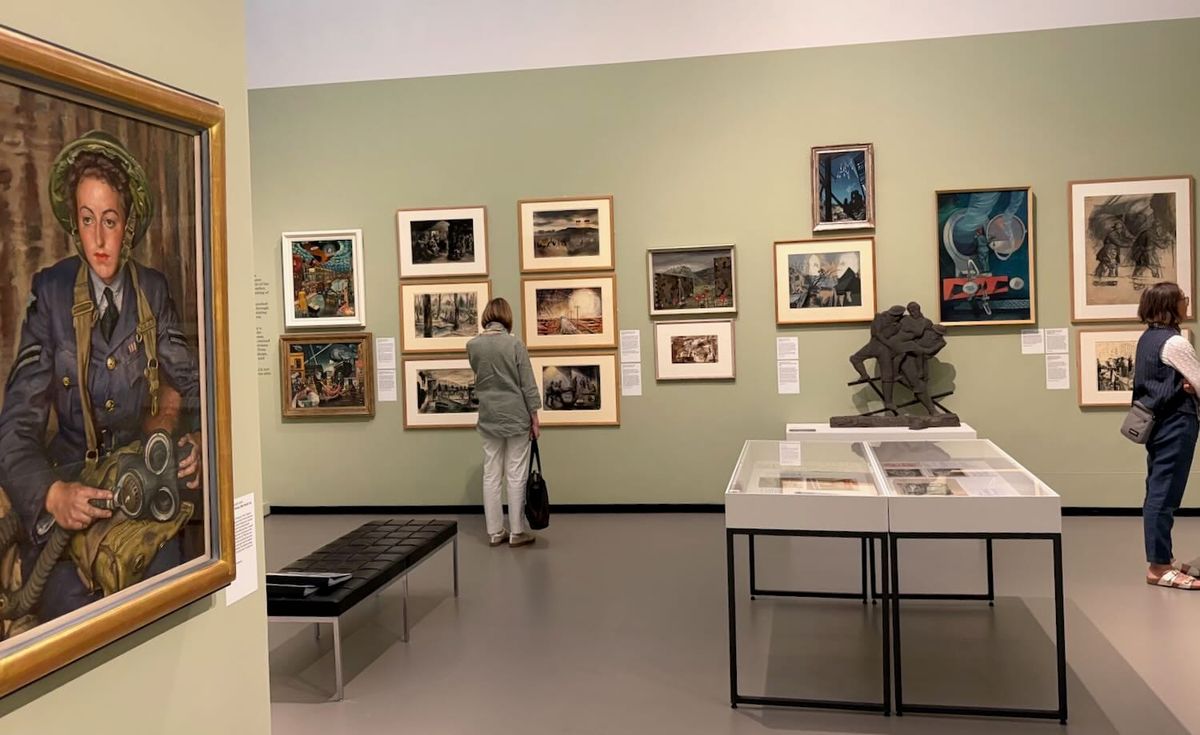
This stunning exhibition at Towner Eastbourne illustrates the achievements of the Artists International Association (AIA) over roughly a 30-year period, officially starting in 1933.
After Hitler took power in Germany, a sense of worldwide foreboding ensued, with dread of another world war. These community-minded artists gathered together to influence the argument for peace.
When one knows the history of this era, the prescience of the works becomes apparent. But if this sounds like a doomful visit, it isn’t at all.
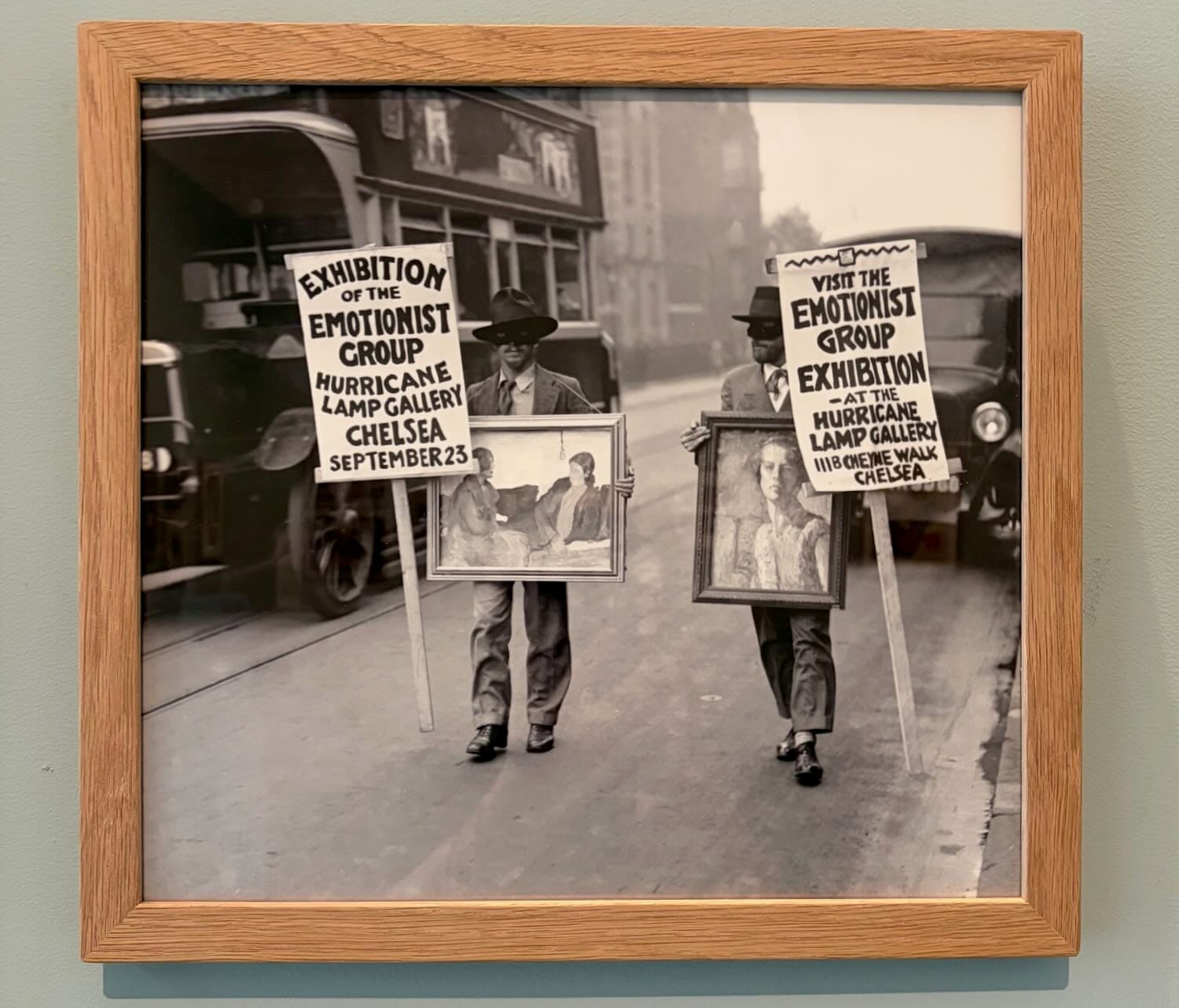
The mood is in place from the outset with Mr Rowe and Mr Dunlop, Two Masked Artists (Fox Photos Photographer, 1927), a startlingly modern photograph showing these two gentlemen protesting on behalf of The Emotionalists, a short-lived group that published a poetry journal and hosted an informal discussion salon.
The depiction of realism in this perfectly-curated exhibition leads one through the fear pre-Second World War of repeating the first, into the darkness during the war itself, and the gradual pulling out of wartime conditions afterwards.
It’s all about the workers – in factories, docks, mines, and protest marches, as well as scenes in cafes and theatres. The AIA had a sense of social responsibility and supported progressive causes. It is good to see many portraits of the members scattered throughout, to humanise the sometimes distressing visuals.
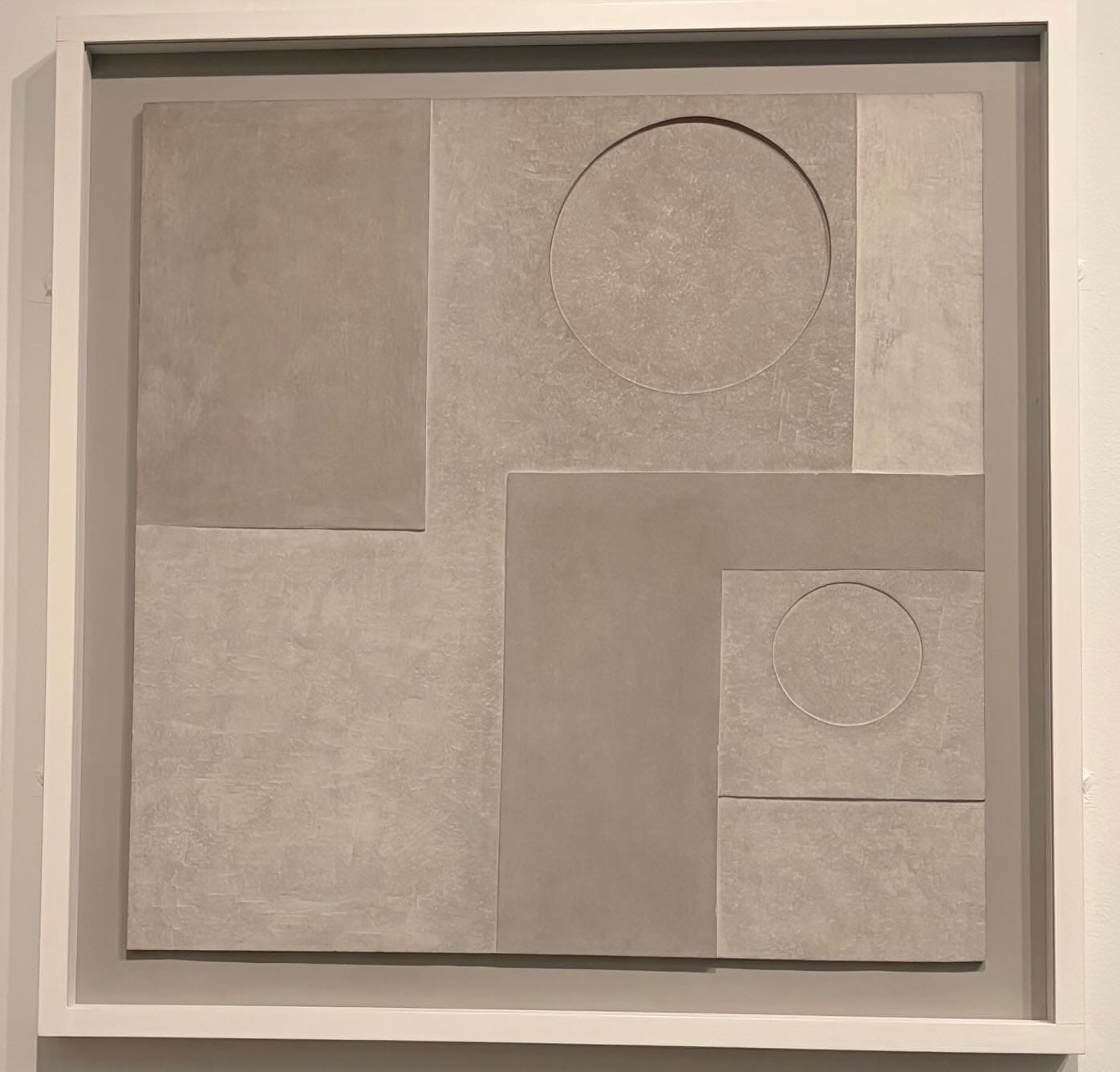
The walk through the exhibition cleverly sets the worldwide contexts against individual pieces and artist histories. It’s not just the politics that’s changing in this turbulent period either. Art itself is evolving from somewhat dense images to new styles of minimalism. Painted Relief (1934) by Ben Nicholson (1894–1982) is a good example of this.
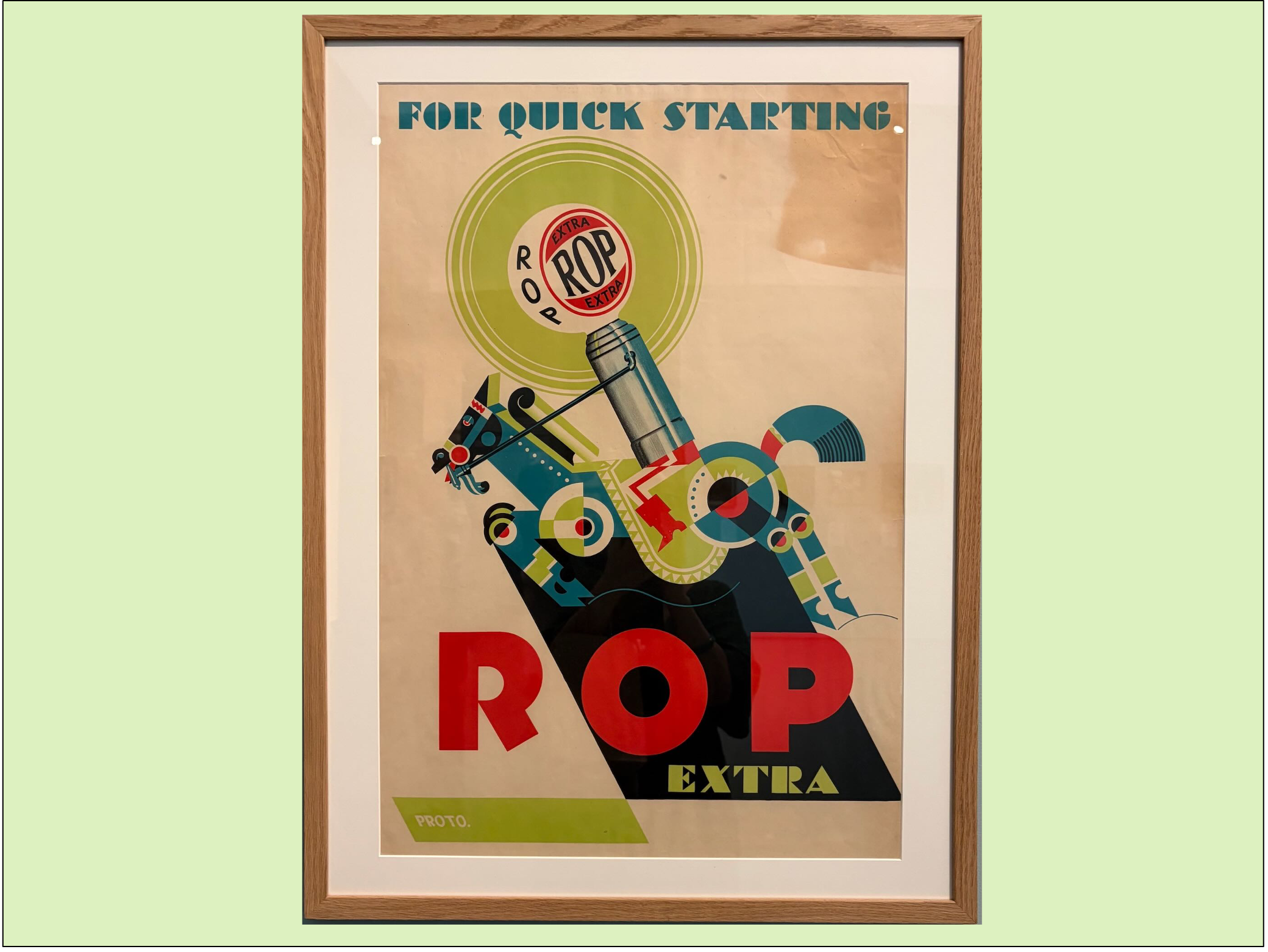
So too Russian Oil Producers of 1930 by James Fitton (1899–1982), so colourful in its graphic simplicity that it seems to foretell the British Pop Art movement that would fully emerge in the mid-1950s.
Over the years the AIA gathered much support from artists and was able to hold prestigious exhibitions and events to promote their beliefs and work. Somehow its print-selling project, to make art affordable for all, carried on through the war years despite paper shortages and lack of printers.
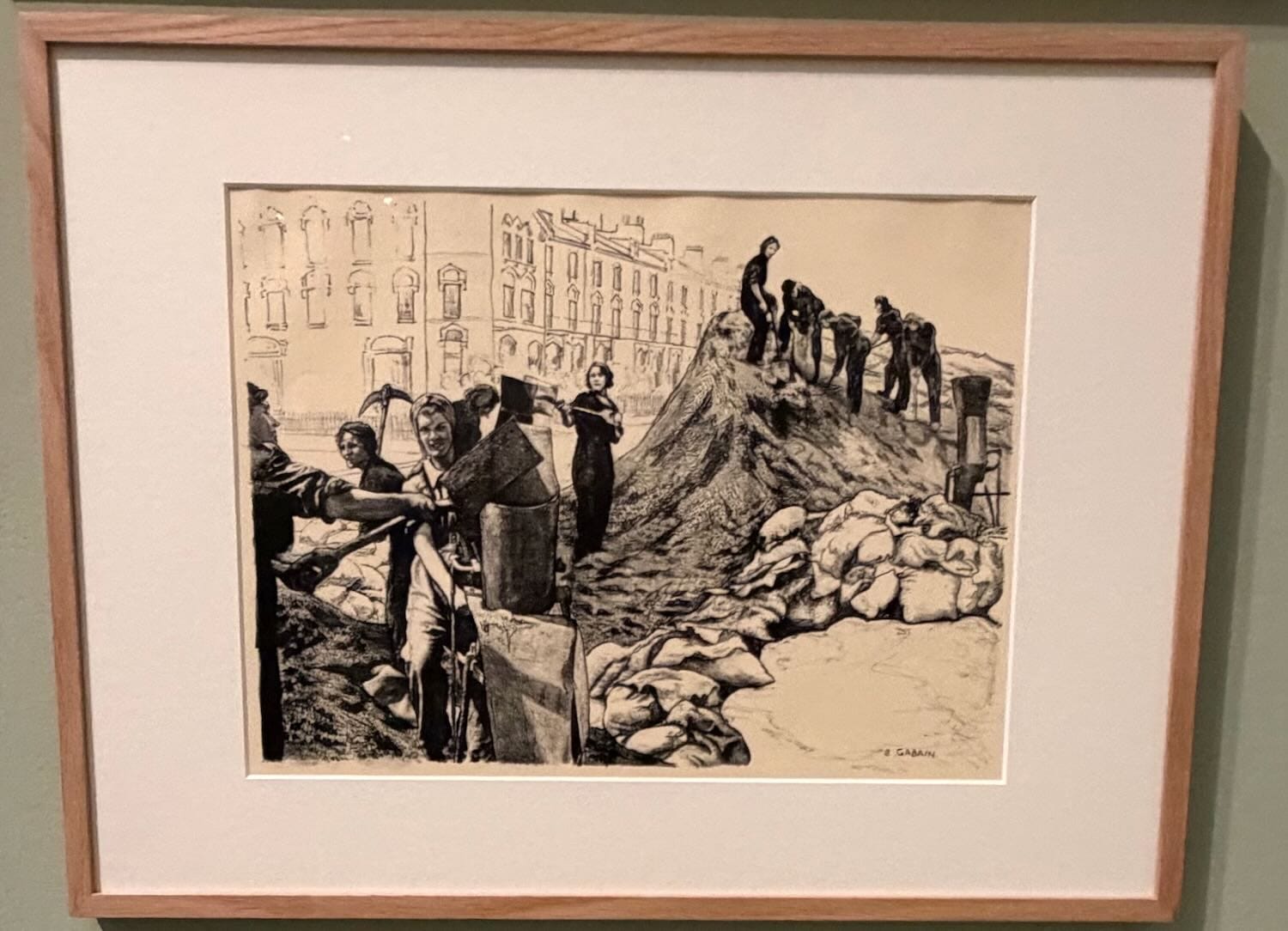
The middle rooms containing the war paintings are visceral, capturing the mood of those six years for soldiers, medics, and the folks back at home. It’s not all about the men either; women’s essential contribution is presented alongside. Sandbag Workers, Women’s Work in the War (1941) by Ethel Gabain (1883–1950) is wonderful – a striking composition of strong women doing tough labour.
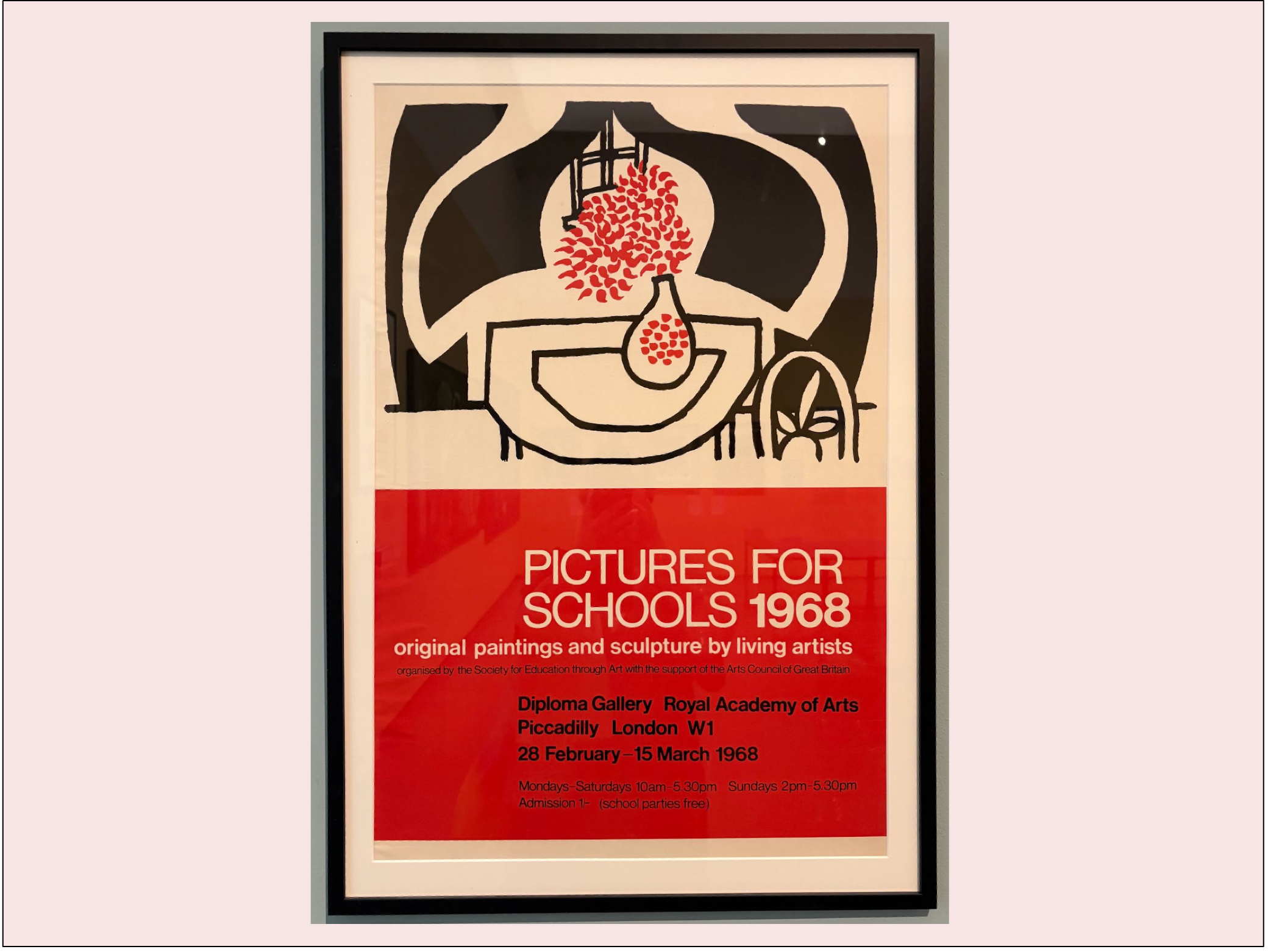
Through the last rooms it is interesting to see the ongoing reach of AIA’s efforts, with many of their initiatives being taken up by the new Arts Council, founded in 1946. The poster for Pictures for Schools (1968) ushers in a new era, albeit deep into the next phase of the Cold War.
Towner Eastbourne always produces top-class exhibitions, and this one is perhaps the best that I have seen there. It is an epic record of desperate times. Not only is this exhibition recommended, it is a must-see.
:: Comrades in Art, the first exhibition in more than 40 years to focus on the AIA as a central theme, runs until 18 October 2026. Tickets range from £5.50 to £11, under 25s free. Pay What You Can tickets available on the first Friday of every month
:: Alison Norwood is Managing Director of Norwood Editorial Services and was previously an academic publisher. She has also worked in print and design and writes novels in her spare time. Alison has always studied art history and is a volunteer arts reviewer for Eastbourne Reporter