Stephen Holt: unpopular decisions prevented a 'disaster' for town
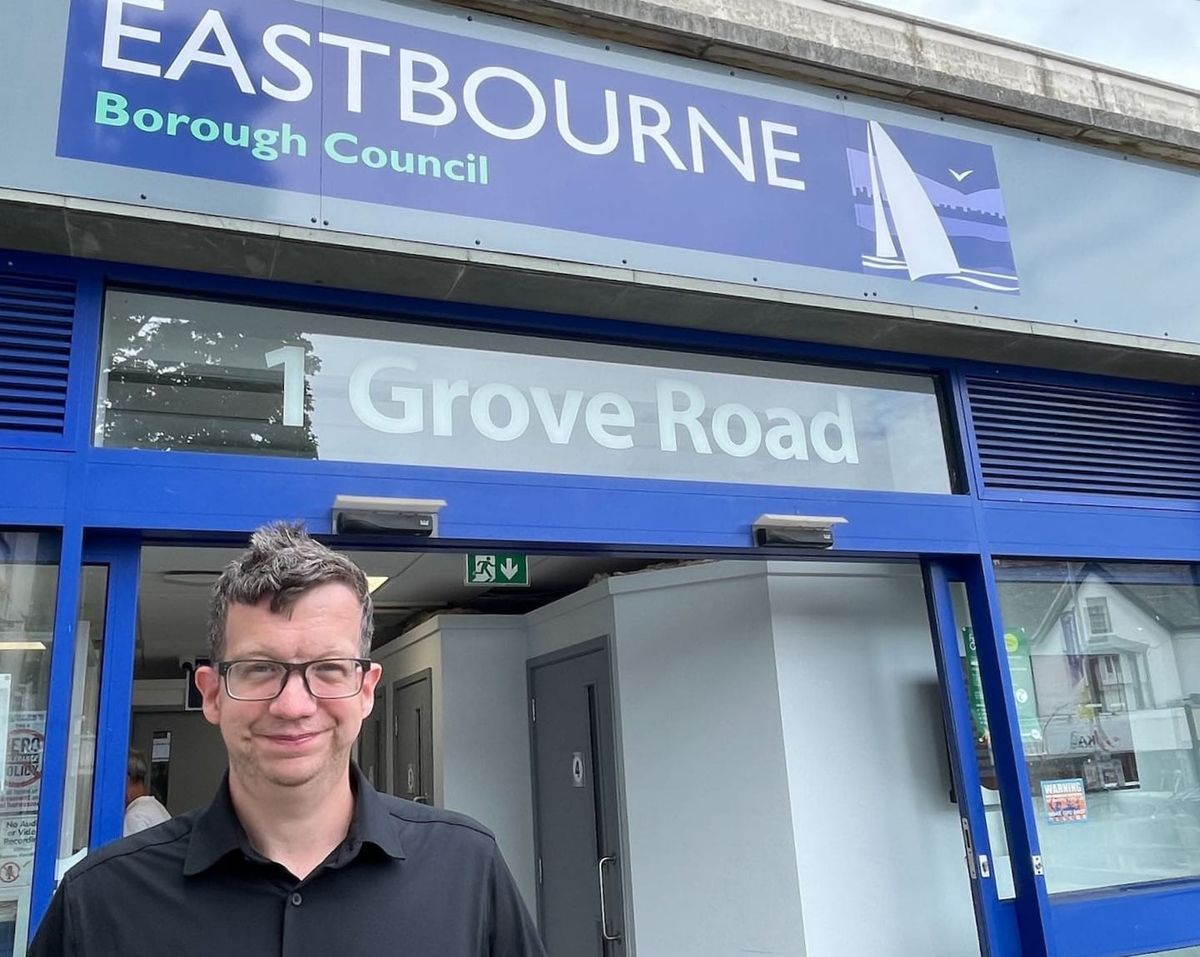
The Eastbourne Reporter talks tough decisions, carpet gardens and heritage assets with Eastbourne Borough Council leader Stephen Holt in a wide-ranging interview
By Rebecca Maer
Stephen Holt is in no doubt about Eastbourne’s greatest asset: its people.
By which he means the residents involved in helping out in the town, getting things done and staying positive.
Holt has been a Liberal Democrat member of Eastbourne Borough Council for 11 years and council leader for three years. He has also sat on East Sussex County Council (ESCC) since 2021.
He acknowledges recent years have been tough, with difficult decisions to take in the face of sustained cuts to local authority funding.
So why is he a councillor on two local authorities?
“Because I love the town. I am really passionate about it – it has been tough, but it is rewarding,” he says without hesitation.
“I meet some great residents who just roll up their sleeves and get things done. It’s incredibly rewarding to go and talk to them, help them, find out what they need their council to be doing. And to be able to help effect that change is something I’m really proud of.”
Dual roles in Eastbourne
Holt grew up in Five Ash Down, near Uckfield, but always saw Eastbourne as the town he came to “for everything”. He lives modestly in a one-bedroom flat in Old Town.
His favourite aspect of the town is the people who help their community. Walking on the seafront and the Downs, and the fact that “it’s a great place to live”, are also big plus points.
Holt receives about £8,000 a year in allowances from EBC; he waived the 2024 and 2025 increases. He receives about £15,000 a year as a basic allowance at ESCC, as do all county councillors.
He is also the chief executive of the Eastbourne Business Improvement District (BID), which is funded by a levy of 1.5% on each business in the town centre with a rateable value of £6,000 or more. He declines to reveal his BID salary as it is a private company.
Some see his position at BID as a conflict of interest with being the council leader. What is his response? He acknowledges it is “unusual” but is robust in how he balances the roles.
“I absolutely understand the conflict of interest idea but I am very good at identifying where there is one and I recuse myself [withdraw from decision making]. That is the most important thing.
“I am entitled to earn a living as well.”
The BID website states it is completely independent of both EBC and ESCC. Can it be if the BID boss is the borough council leader?
Holt said: “That’s where the conflict of interest has to be really clear. We’re open and honest: BIDs work closely with a local council because they have to.
“It’s unusual, I’ll accept, but at the same time we are all aware of where those conflicts could arise and I recuse myself from any decisions relating to those.”
Carpet Gardens - traditional vs sustainable planting
We move on to specific projects: the much-discussed Carpet Gardens on the seafront, now replanted with sustainable, drought-resistant species.
A survey of residents, which closed on Monday (31 August) asked if they liked the new style, which the council says cost around £140,000 to install. If they reject the look, the council has pledged to return to the previous style of bedding plants.
The results are due to be announced on 11 September.
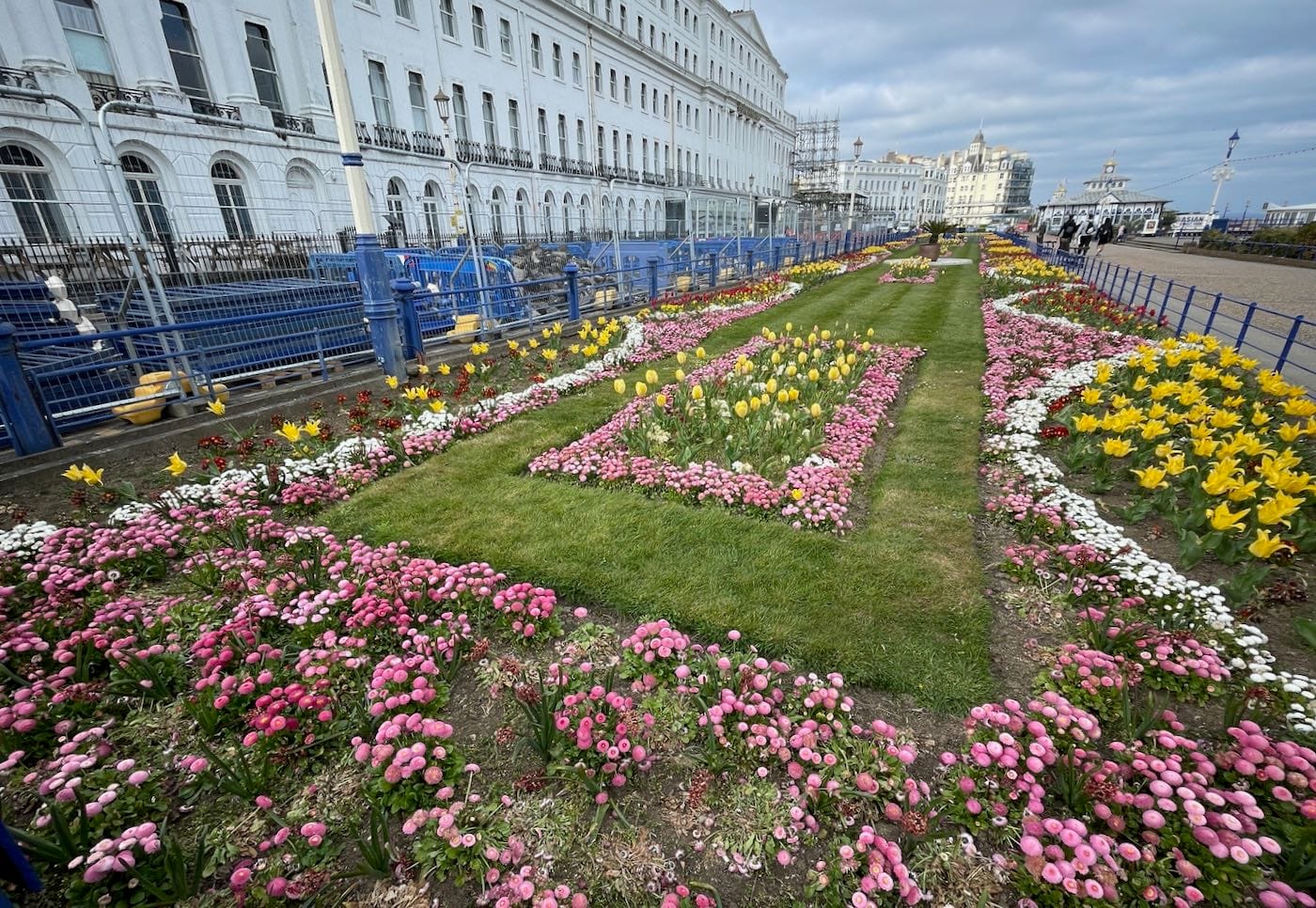

The council says planting and maintenance for traditional planting would cost £1,060,000 over ten years while planting and maintenance for sustainable planting would cost £257,000 over ten years.
The change in planting style has proved controversial and some have disputed the costs involved.
Why was there no public survey before the project to gauge views before the money was spent? And wouldn't it be a waste to rip it all up again?
An initial survey in May 2025 when the area was being replanted, found 51 per cent were positive about a new style and 41 per cent were against out of 3,759 people. It also found that 51 per cent wanted to see other public gardens planted in a similar sustainable style, while 49 per cent said they didn’t.
Holt said the beds had to be cleared of invasive weeds, which accounted for some of the cost and needed to be done anyway.
He said the scheme was designed as a “showcase”, a demonstration of what could be achieved. The initial survey was so close, the council wanted to wait until the planting was established before letting people choose. “It is for the town to decide,” he said.
Protecting services amid funding cuts
Holt is adamant that often unpopular decisions taken in Eastbourne in recent years to balance the budget were vital to avoid the town’s finances being taken over by officials in Westminster. If that had happened, he said, all but statutory services would have been cut.
“I think it’s been really tough for everybody but ultimately if we didn’t do it, and change what we did, national government would have stepped in because we would have run out of money and then people who care about the town – councillors and officers – would not have been in charge,” he says.
“People in Westminster, who don’t understand the town and don’t care, would have just closed things and that would have been a disaster.
“I will do everything I can to protect services even if we have to do things differently because the alternative was shutdown.”
Such a situation would likely have meant the end to Airbourne and closure of many discretionary services such as leisure facilities and public toilets, he said.
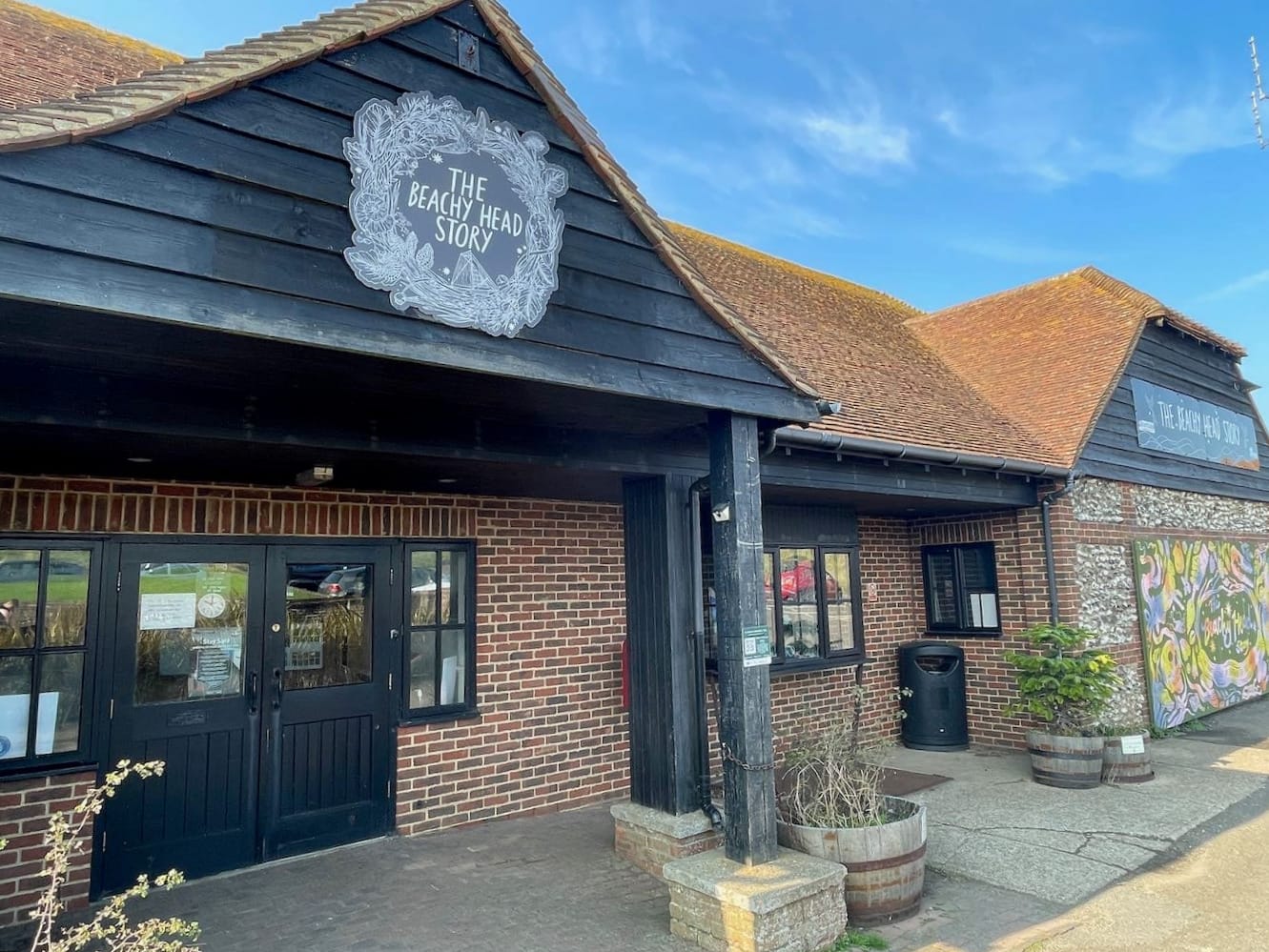
Instead, the council agreed spending cuts, including £2.7 million in 2024 which included closing the Beachy Head Story heritage centre, reduced funding for the Towner Gallery and changes to the operation of the theatres and conference facilities, now run by Trafalgar Entertainment.
The council also closed some of the town's toilets and introduced a community scheme, in which hotels, pubs and cafes allow public use of their toilets. Public toilets on the seafront are charged at £1 per use.
Local authority spending power – the amount received from government grants, council tax and business rates – fell by 22.6% in real terms between 2010/11 and 2019/20, according to the Institute for Government. Funding has recovered slightly but in 2025/26 was still 8.2% lower in real terms than in 2010/11.
So it’s a difficult situation for all local authorities.
Change is coming
We talk in a bland meeting room in the council offices behind the library on Grove Road – most council services are no longer in the town hall, now largely rented out to businesses and organisations.
Eastbourne Borough Council (EBC) is in the final 18 months or so of its existence.
The biggest shake-up in local government in half a century is on the way: Eastbourne will join Hastings, Rother and Wealden councils, plus most of Lewes district, in a new East Sussex unitary authority which will deliver all services from April 2028.
The current schedule is for elections in May 2027 for members of the new unitary council, which will replace the current ESCC and EBC.
There will then be a “shadow” year before all existing county, borough and district councils, including ESCC and EBC, are dissolved in April 2028.
Holt would love to see the new unitary authority hold meetings for what will be 100 councillors in the large assembly room on the first floor of the Renaissance-style Eastbourne Town Hall. The current county council's main offices are in Lewes.
“A new council needs to feel new,” he says.
New approaches to perennial problems
He is under no illusions about how much (or little) local government reorganisation will change the underlying problem of funding three key costly areas: adult social care, children with special educational needs (both currently the responsibility of East Sussex County Council) and emergency accommodation (the responsibility of Eastbourne Borough Council).
“Changing the name above the door is not going to change the finances,” he said, adding that the government must fund all these areas appropriately.
As an example, Holt said that the Local Housing Allowance rates are entirely inadequate for people to rent properties privately. “So you are setting people up to fail. I appreciate the welfare bill needs to be considered but there is a knock-on impact from housing with so many other areas of people’s lives.”
He believes building more homes, particularly affordable housing, sympathetic to an area is key to helping the problem.

Holt pushed the issue up the agenda in 2023 when he helped bring together more than 100 local authorities in an online emergency summit to discuss the spiralling costs of homelessness. At the time, the council predicted it would have to spend £3.6 million on temporary accommodation.
The problem persists: purchase orders for the third quarter of 2025 / 26 for Eastbourne Borough Council (EBC) show emergency accommodation invoices totalling more than £880,000 to multiple suppliers in just three months.
Political change is in the air: Eastbourne has been dominated by the Liberal Democrat vs Conservative tussle for decades.
But the county council elections in May this year produced the town’s first elected representative from Reform UK. And Reform UK now runs ESCC as a minority administration. How does he find working with Reform?
“I have disagreements with Reform but I am here to support anybody who has a good idea and I don’t care where it comes from. It is about doing the best for local residents,” he said.
Heritage – and a wish list
In terms of heritage assets, change is afoot but delays are holding back new projects.
Exhibits from the Heritage Centre, which closed in April 2025, have been stored by the Towner in a facility at Hampden Park. This, he hopes, will open to the public before Christmas.
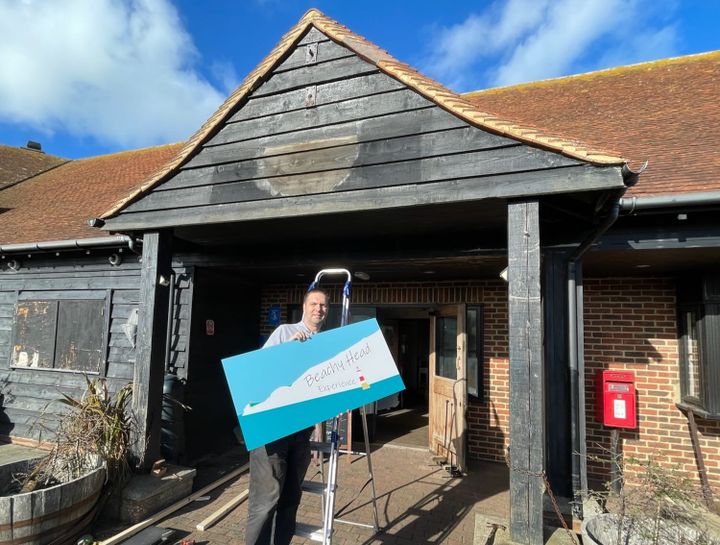
The Beachy Head visitor centre, closed under council cutbacks, received an expression of interest 18 months ago from a community group working with children. But Holt said there are delays relating to the lease.
If money was no object, what three issues would he address in Eastbourne?
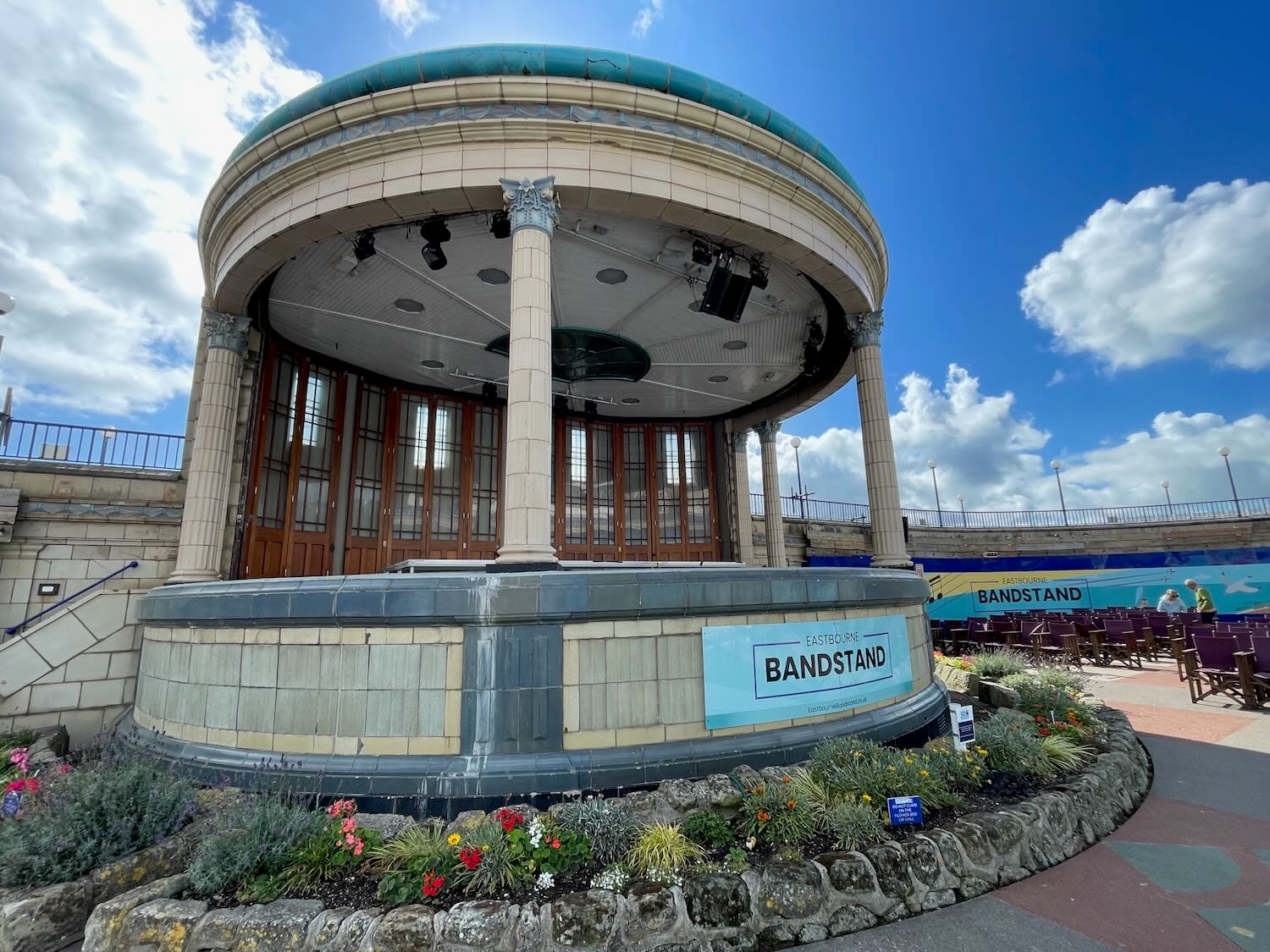
Holt doesn’t hesitate and they are all on the seafront: a full renovation of the bandstand, re-open the Redoubt Napoleonic fortress and completely refurbish the Sovereign Centre swimming and leisure centre.
“Everything I’m mentioning, we’re working on. These are all issues I’m well aware of, places I enjoy and want to see maximised to their full potential.”
The biggest hurdle is unlikely to surprise anyone – and is one most local authorities face.
“But the challenge is, you’ve got to find the capital, you’ve got to find the money.”
:: The Eastbourne Reporter is a Community Interest Company of volunteers led by experienced, qualified journalist Rebecca Maer, working mostly on a voluntary basis due to lack of funding. We produce news features which are in the public interest along with independent reviews: no paywalls, irritating ads or recycled PR.
To hugely help us for the price of a coffee once a month, click here or to make a one-off donation, drop in here. Together, we can revive enquiring journalism in Eastbourne. Thank you